15 low light plants that grow away from the window

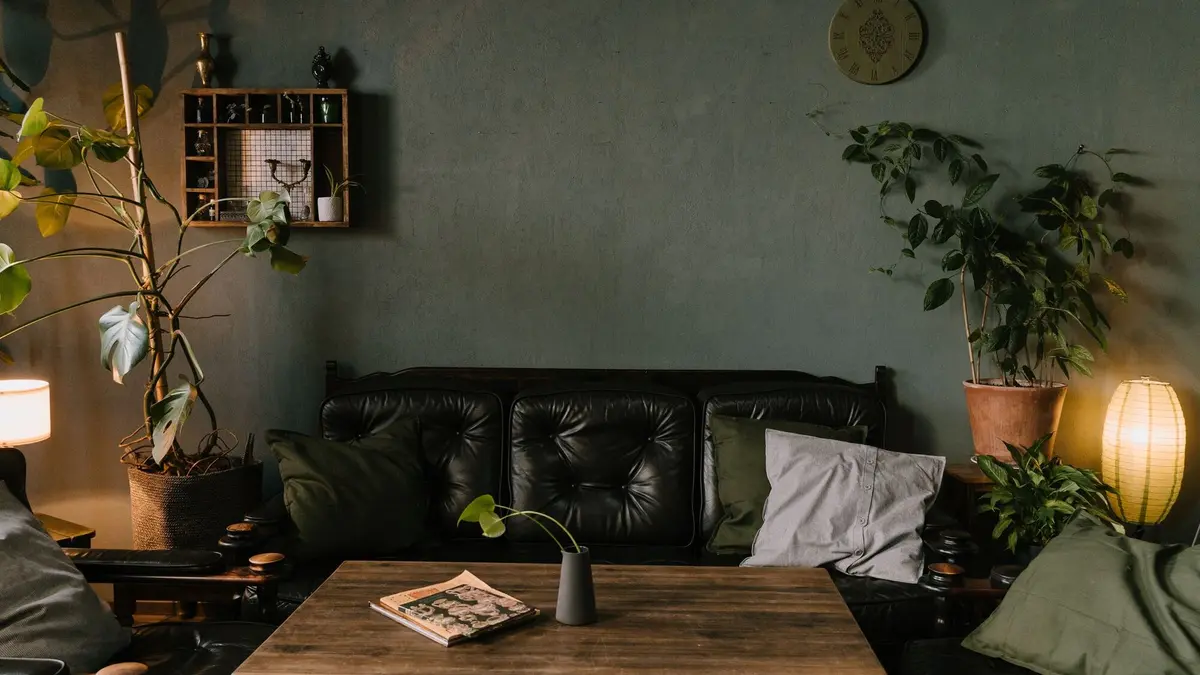
These low light plants grow near a north window, in a dim hallway or in a corner across the room from the glass: snake plant, ZZ plant, pothos, heartleaf philodendron, cast iron plant, Chinese evergreen, peace lily, parlor palm, spider plant, corn plant, prayer plant, baby rubber plant, rubber plant, English ivy and zebra haworthia.
None of them wants the dark. Each one grows best in brighter, indirect light and puts up with less, growing more slowly and needing less water there. Most are grown for their leaves, not their flowers.
What counts as low light
Low light is a spot the sun never reaches: a few steps back from a north window, a corner across the room from the glass, or a hallway that borrows light from the next room. It is roughly bright enough to read a newspaper by.
Right by a north window, or a few feet back from an east or west window, is medium light, and every plant on this list grows better there. Low light is the least each of them puts up with, not what it prefers.
Distance matters as much as direction. Even a low light plant usually gets too little light more than 10 feet from an average window, so “low light” still means somewhere a window can reach.
As a rule, plants with darker green leaves handle low light better than pale or variegated ones. That is why the plain green forms of several plants below do better in a dim spot than their brightly marked cousins.
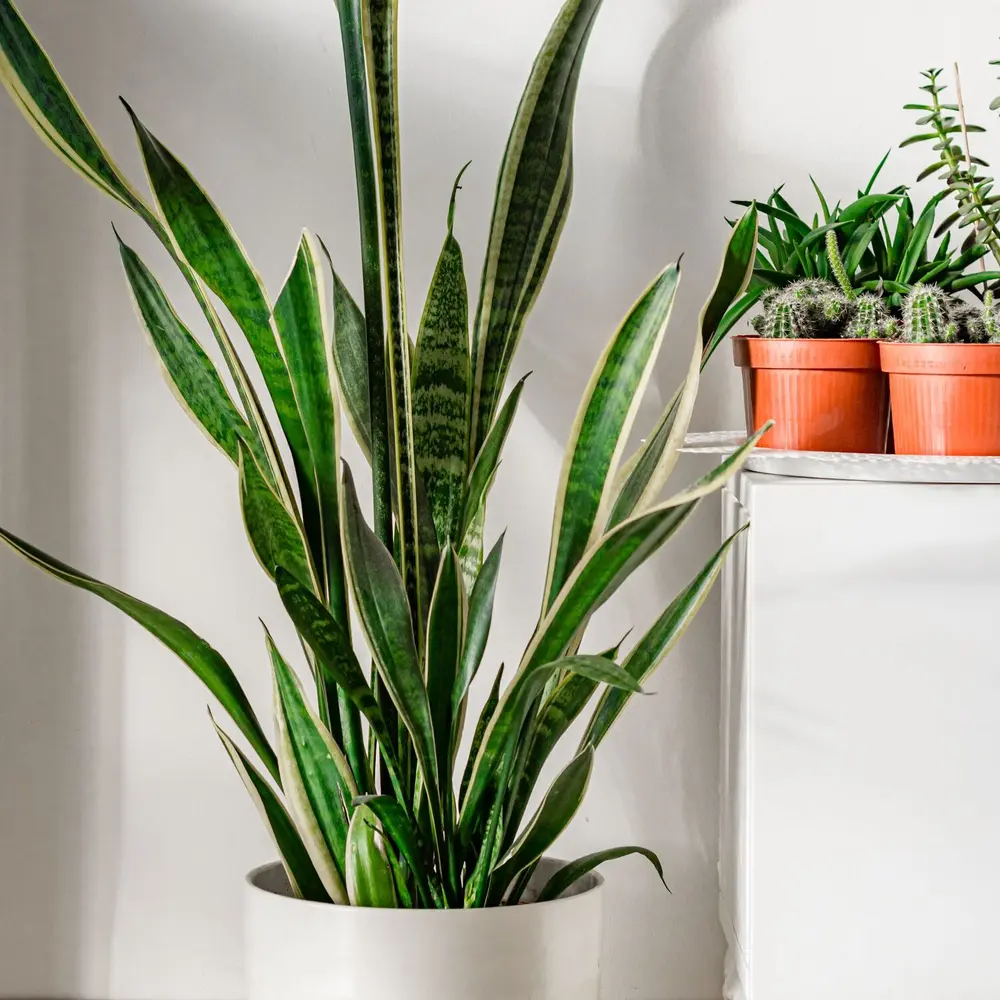
1. Snake plant
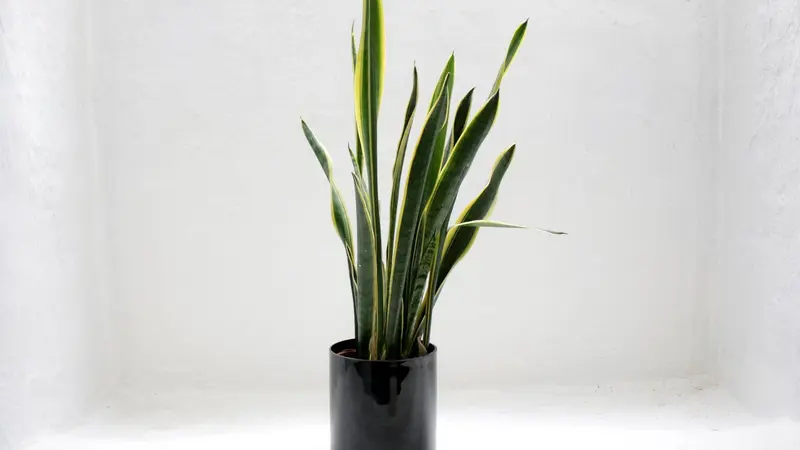
The snake plant tolerates poor light and makes its best growth in medium to bright light, which makes it the plant to try first in a dim room. Its stiff, upright leaves rise from the soil in a clump, so it suits a floor spot beside a sofa or a narrow corner where a wider plant would be in the way.
In low light it grows slowly and drinks even less than usual. Let the soil dry out between waterings, and water less again in winter. Overwatering is the way most snake plants die, and a plant in a dim spot is the easiest one to overwater.
Indoors it often stays near 2 feet tall. Turn it now and then so it doesn’t lean toward the window.
The ASPCA lists the snake plant as toxic to cats and dogs. The snake plant care guide covers its soil, repotting and dividing.
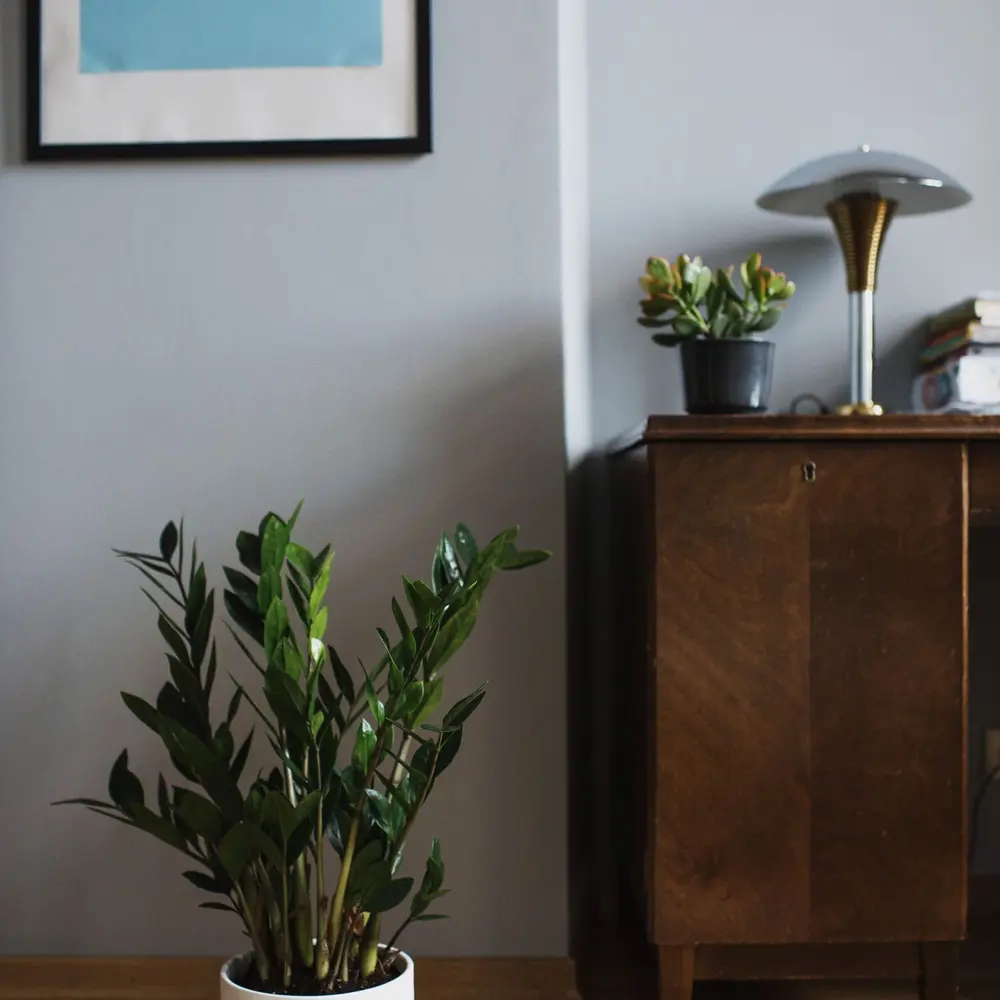
2. ZZ plant
The ZZ plant does exceptionally well in low light, and it stays green and glossy where many plants turn pale. It can survive in low light for a long time, though bright, indirect light speeds up its very slow growth. Keep it out of full sun, which can scald and brown the leaves.
Its thick stems and underground rhizomes store water, so it takes dry soil and dry indoor air in stride. Water only after the potting mix has dried completely, and expect that to be rare in a dim room. A ZZ plant that sits in wet soil rots; one that is forgotten for a while is usually fine.
Its upright leaves can reach 4 feet, so it works as a floor plant in a dark corner or a smaller pot on a side table. The ZZ plant care guide covers its watering, repotting and propagation.
The ZZ plant isn’t on the ASPCA plant list. Treat it as unsafe for pets and children and keep it out of reach.
3. Pothos
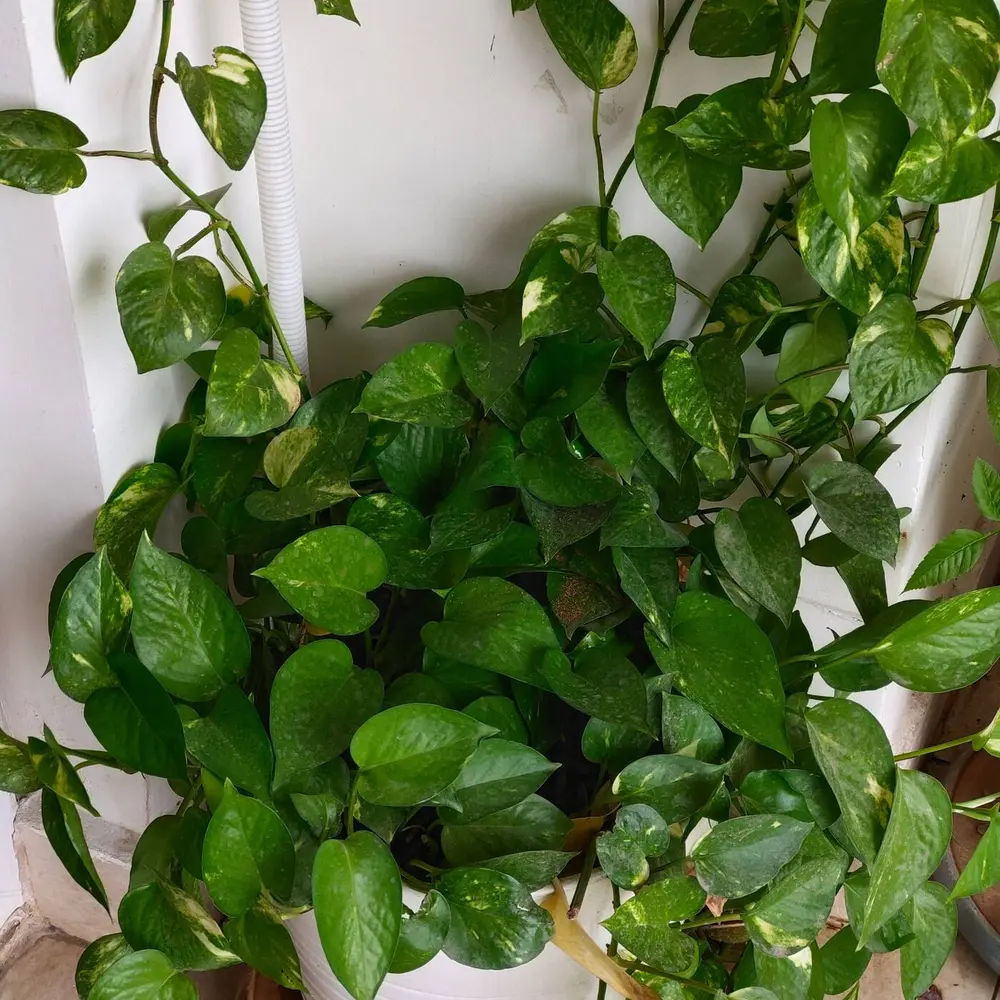
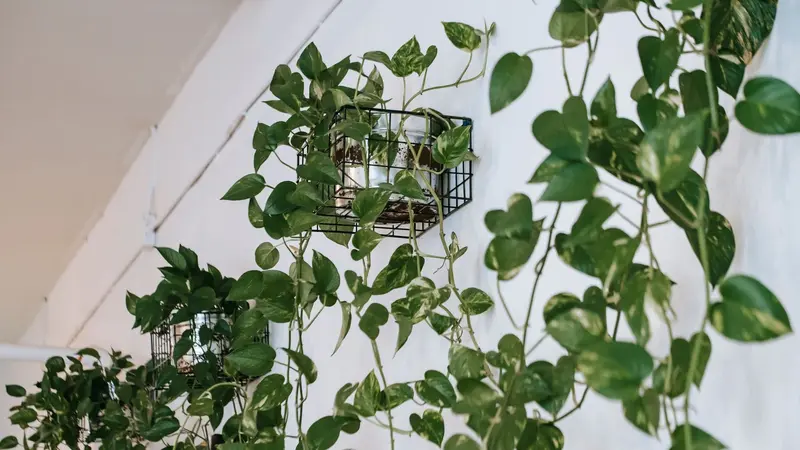
Pothos is satisfactory in low and medium light and can survive for long periods in low light, which is why it trails from so many shelves far from a window. It grows best in bright, indirect light, though, and in a dim spot it grows more slowly, with smaller leaves spaced farther apart.
Variegated pothos loses some of its gold or white in low light, and new leaves can come in almost solid green. A plain green pothos looks the same in a dark corner as in a brighter one.
Let the soil dry out between waterings. Pothos takes less even moisture than philodendron, and soggy soil is the main thing that harms it. Its vines can reach 8 to 10 feet indoors, so it suits the top of a bookcase, a wall shelf or a hanging pot.
The ASPCA lists golden pothos as toxic to cats and dogs. The pothos care guide explains pruning and rooting cuttings.
4. Heartleaf philodendron
The heartleaf philodendron tolerates low light and grows well under ordinary room light or near a north, east or west window. Most philodendrons prefer a medium light range for their best growth, so a dim spot gives you a slower, sparser vine rather than a dead one.
It looks a lot like pothos, with softer, heart-shaped leaves on thinner stems. Grow it in a hanging basket, let it trail from a shelf or give it a support to climb.
Its watering differs from pothos: keep the soil evenly moist but never soggy, and slow down in winter, when a plant in low light uses very little. Philodendrons like high humidity but put up with the dry air of most homes. Wipe the leaves now and then, because dust blocks light a dim plant can’t spare.
The ASPCA lists the heartleaf philodendron as toxic to cats and dogs.
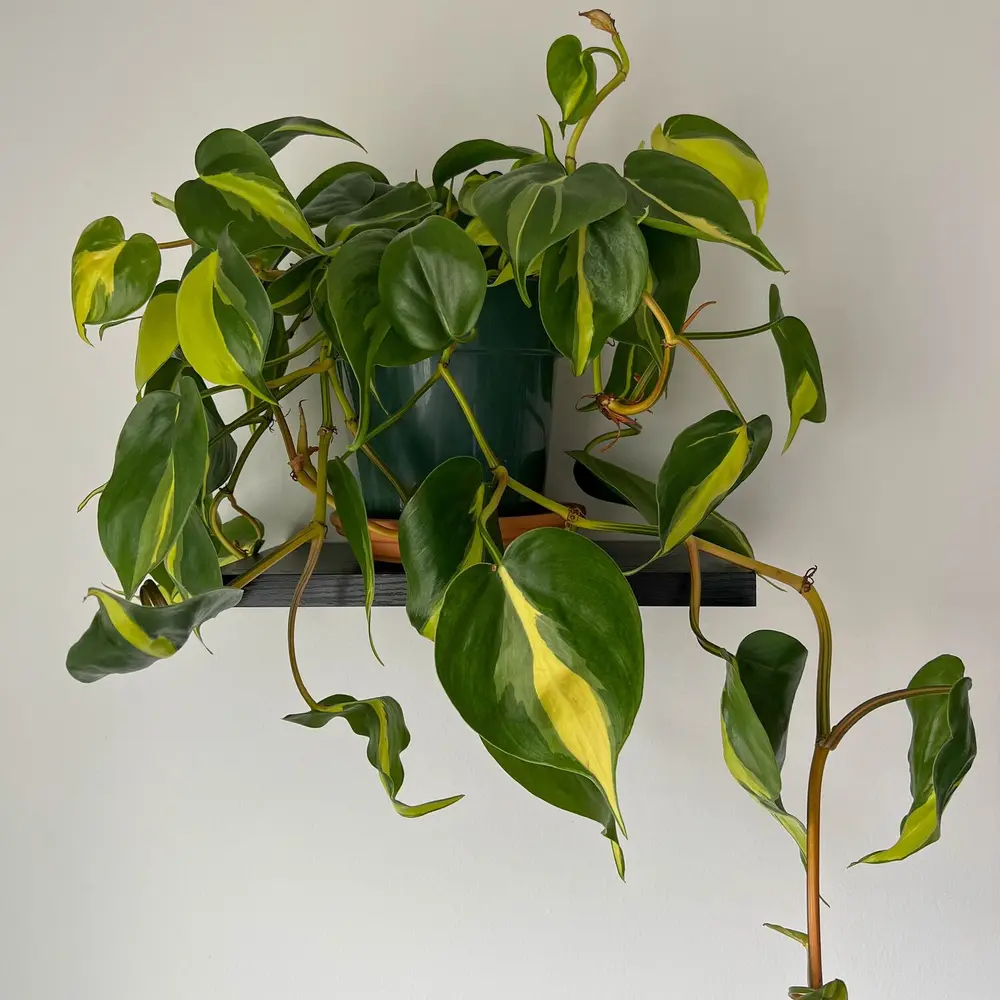
5. Cast iron plant
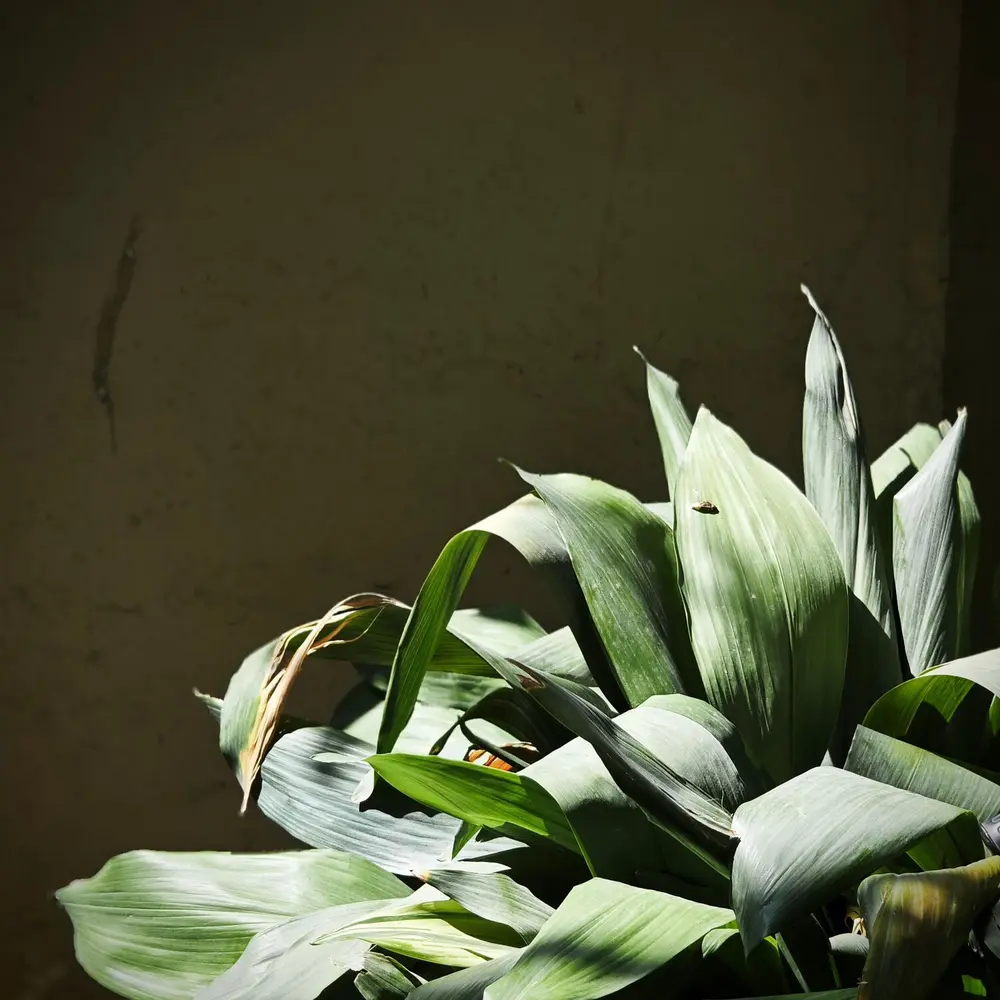
The cast iron plant is one of the best plants where only low light exists. It endures heat, dust, low light and missed waterings better than most houseplants, which is how it earned its name.
Put it near a north-facing window or in a low light area away from south windows. It prefers partial to full shade and doesn’t tolerate direct sun. Its dark green, sword-shaped leaves grow upright to 2 to 3 feet tall, filling a floor spot by a door or in a hallway.
Water when the soil is dry a few inches down, and let the extra water drain from the pot. It doesn’t need a humid room and it grows slowly, so it seldom needs a bigger pot. It is harmed by frequent repotting, so divide and repot it only when it is crowded.
The ASPCA lists the cast iron plant as non-toxic to cats and dogs.
6. Chinese evergreen
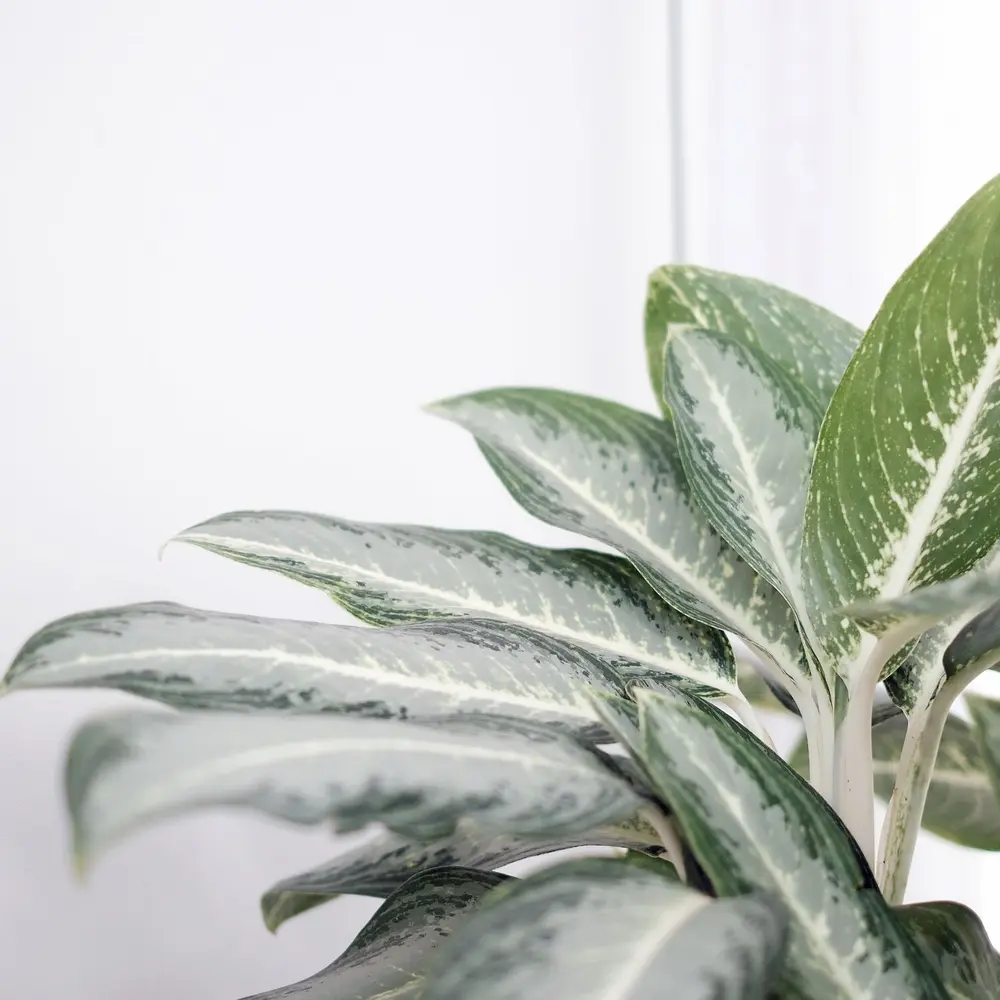
The Chinese evergreen can tolerate very low light, and it grows in low to moderate, indirect light. Keep it out of direct sun, which it doesn’t like on its leaves. It stays fairly compact, an upright, bushy plant for a side table, a desk or a low stand.
Like most plants on this list, it is grown for its patterned leaves, not its flowers, so a dim spot costs it little.
Keep the soil moist, letting the top dry before you water again. It tolerates low humidity but prefers moderate humidity.
If you move a Chinese evergreen from a bright room to a dim one, do it in steps over a few weeks, a little farther from the window each time. A plant moved straight from bright light into low light can fade quickly before it adjusts.
The ASPCA lists the Chinese evergreen as toxic to cats and dogs.
7. Peace lily
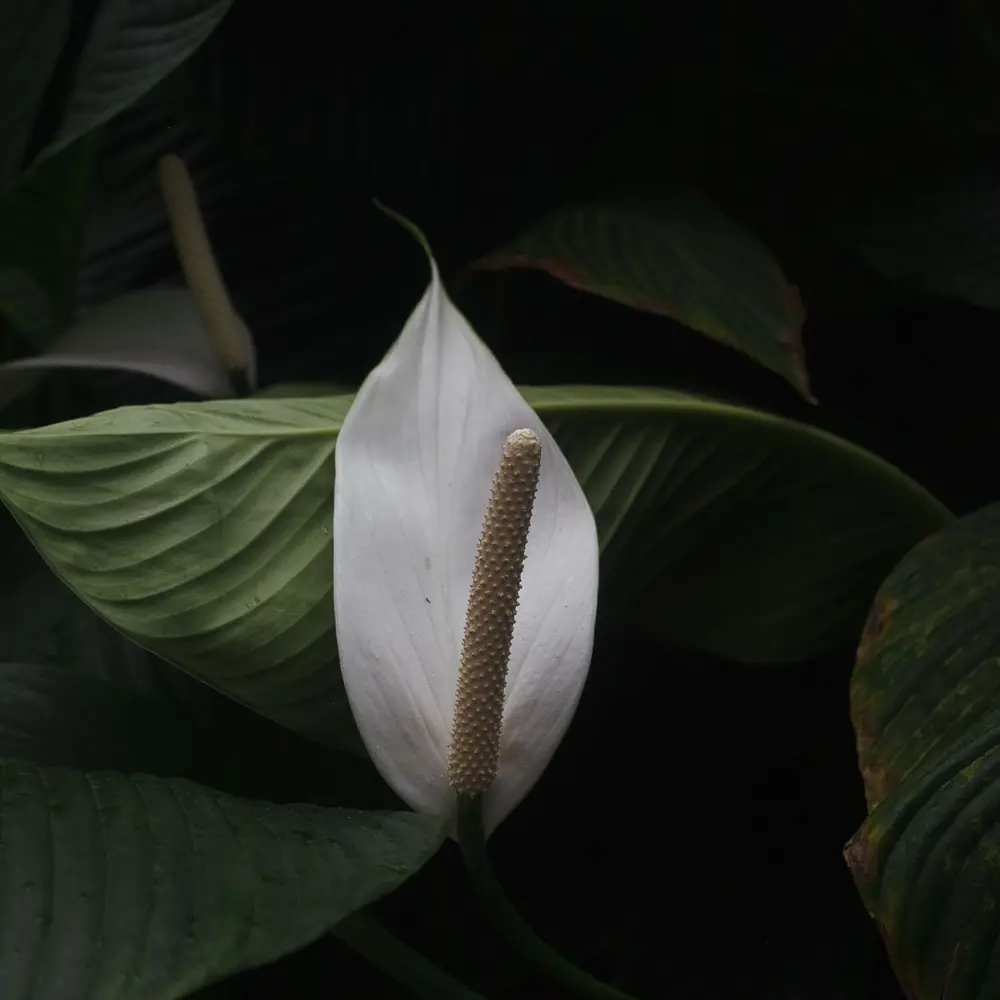
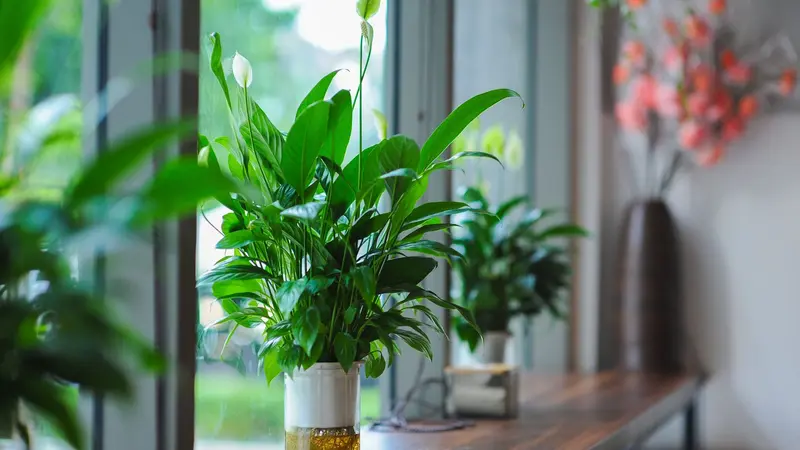
The peace lily adapts to low light, but it needs medium light to flower. It grows in low light and flowers best in indirect sunlight. In a dim corner, then, expect a lush green plant with few or no white blooms, and move it closer to a window if you want flowers.
Keep it out of direct sun, which scorches the leaves. Most peace lilies grow 1 to 4 feet tall and wide, so a larger one fills a floor spot and a small one sits on a table.
Keep the soil moist but not soggy, letting it dry slightly between waterings. A peace lily tells you when it is thirsty: its leaves wilt when the soil is dry and stand back up after a drink. Don’t let it wilt often, though, since wilting again and again leads to yellow leaves and brown tips.
The ASPCA lists the peace lily as toxic to cats and dogs. The peace lily care guide covers getting one to bloom again.
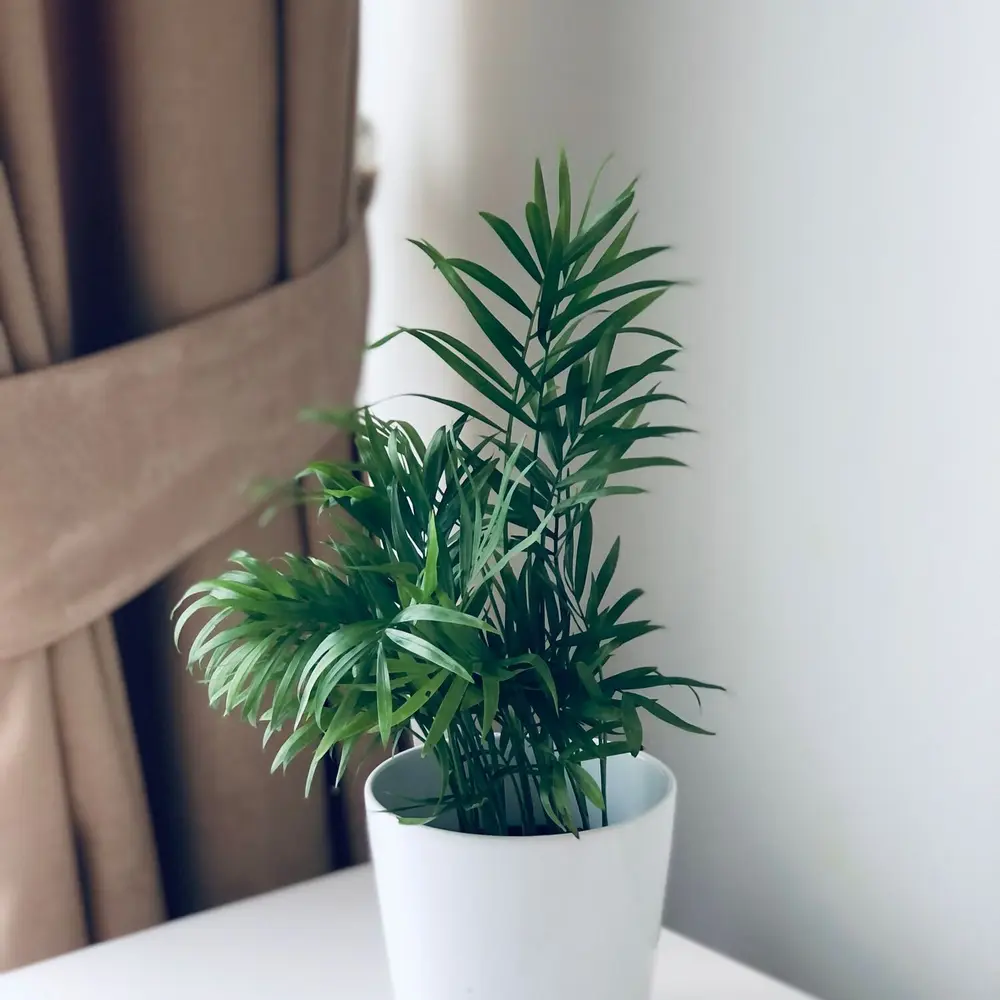
8. Parlor palm
The parlor palm is one of the palms most tolerant of low light. Most palms need bright light to grow well, but this small, compact one grows in bright, indirect light and tolerates lower light levels well. A spot near a north or east window suits it.
It is a slow grower that usually keeps a single trunk, with soft, arching fronds that look good on a floor stand or a low table in a room that gets little sun.
Keep the soil evenly moist. Never let it dry out completely, and never let it stand in water. Parlor palms prefer moderate to high humidity but adapt to the air in most homes.
Check the undersides of the fronds now and then for spider mites, a pest to keep close watch for on indoor palms, and wipe them off as soon as you see them.
The ASPCA lists the parlor palm as non-toxic to cats and dogs.
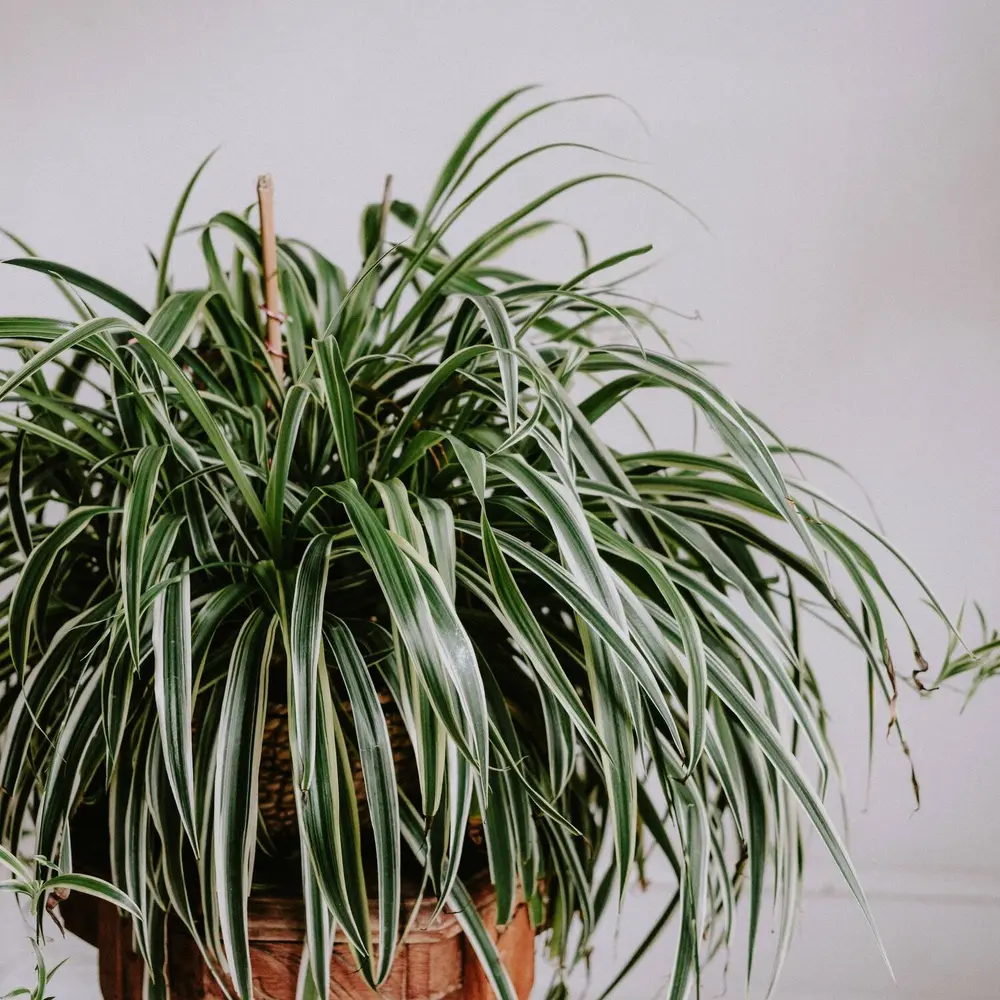
9. Spider plant
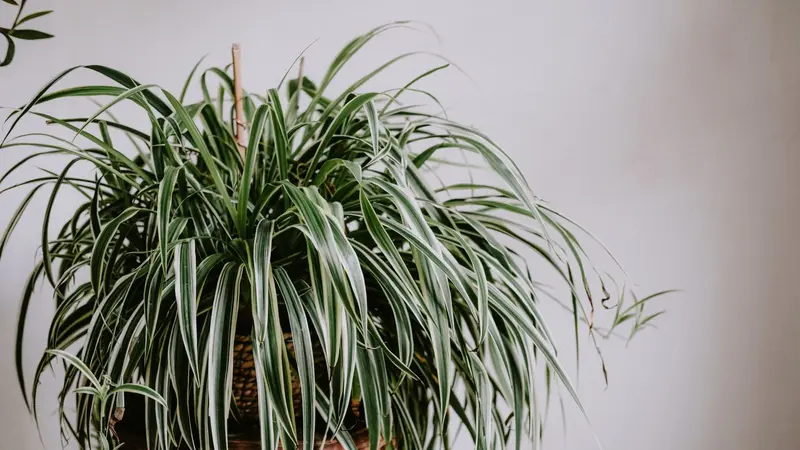
The spider plant prefers medium light and tolerates deep shade, though it grows best in bright, indirect light. That range makes it one of the most forgiving plants for a room that gets little sun.
Its arching, striped leaves look best in a hanging basket or on a high shelf, where the long stems and the small plantlets they carry can cascade down the sides. In a hanging basket the leaves trail 2 to 3 feet.
Water when the top 1 to 2 inches of soil feel dry, and let it dry out briefly between waterings. It tolerates drought, dry soil and the medium humidity of most homes. In low light it needs water less often, so keep feeling the soil instead of watering on a set day.
The ASPCA lists the spider plant as non-toxic to cats and dogs, which makes it a good choice for a home with pets. The spider plant care guide covers its plantlets and brown tips.
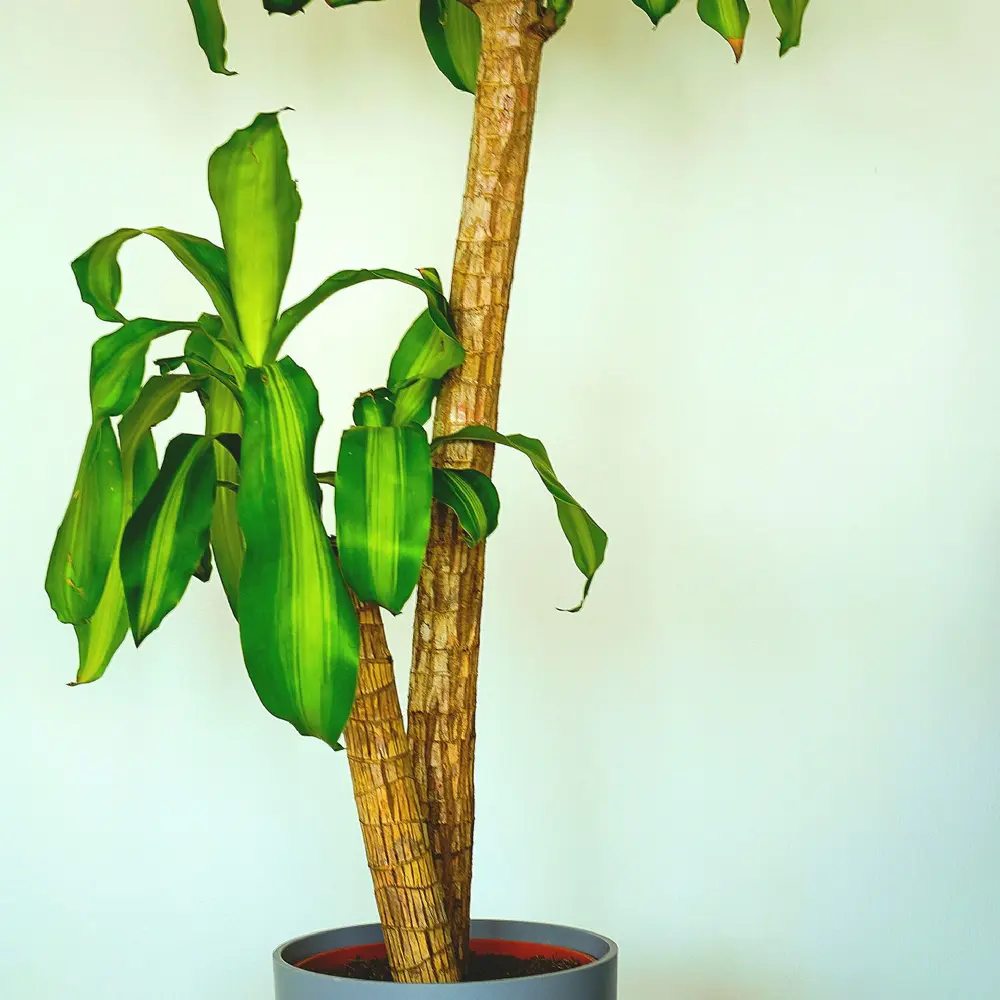
10. Corn plant
The corn plant, a dracaena, is well adapted to house conditions and tolerates low light, though it also does well in medium light. It grows best in bright, indirect light protected from long periods of direct sun and from drafts.
Its name comes from its tall, unbranched stem topped with long, arching leaves, which looks like a stalk of corn. That shape makes it a good floor plant for a dim corner, and one of the few tall indoor plants that adds height without taking much floor space.
Let the soil dry slightly between waterings, but never let it dry out completely. Water when the soil surface feels dry, then water thoroughly. In dry winter air its leaf tips can turn brown, and a room humidifier or a group of plants nearby helps.
Keep it away from heat vents and cold doors, since drafts are as hard on it as too much sun.
The ASPCA lists the corn plant as toxic to cats and dogs.
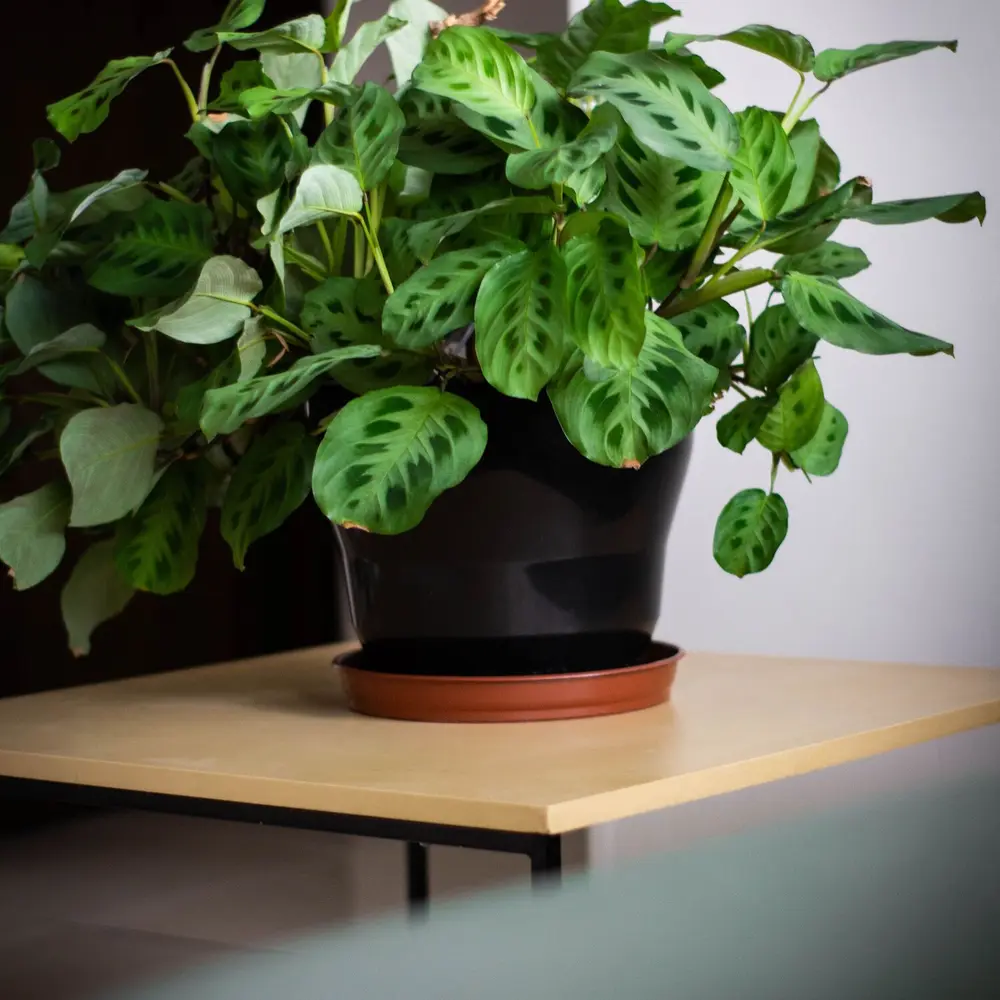
11. Prayer plant
The prayer plant tolerates low to medium light, and it can’t stand direct sun. When grown indoors, it does best in bright, indirect light, but a dim room keeps its patterned leaves from scorching, which a sunny window would not.
It is a low, spreading plant that grows sideways more than up, so it suits a wide pot on a table or a hanging basket where its leaves can spill over the edge.
It asks for more care than the plants above. Keep the soil evenly moist throughout the growing season, and give it high humidity: a humidified room, or a pot standing on a tray of wet pebbles with the pot above the water. Dry air is harder on it than low light, so it does well in a bright bathroom.
The ASPCA lists the prayer plant (Maranta) as non-toxic to cats and dogs.
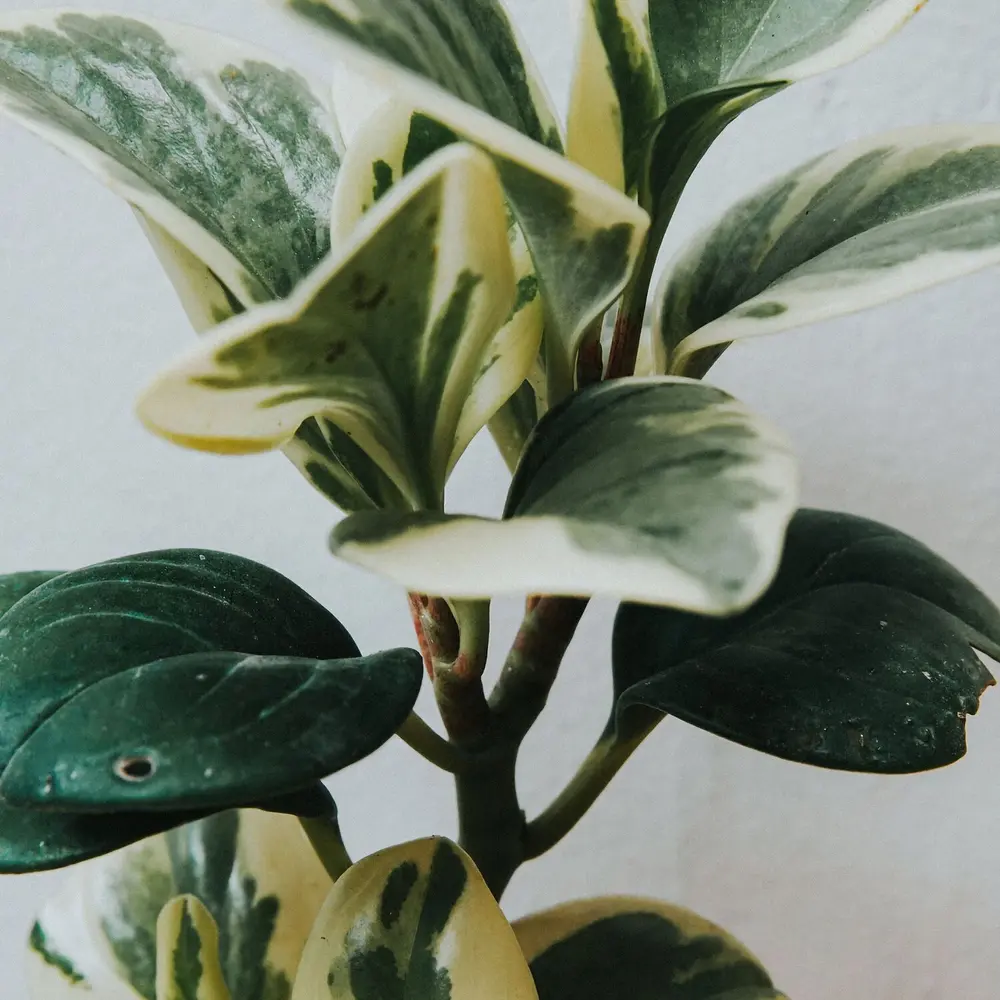
12. Baby rubber plant
The baby rubber plant, a peperomia, tolerates low light for several months without stress, especially the plain green forms. It can even handle somewhat low light near a large north-facing window. Peperomias do better with a medium light level, so give it more light if it starts to stretch.
It is a small, bushy plant with thick, glossy leaves, sized for a desk, a nightstand or a shelf. Its fleshy leaves and stems hold water, so it prefers to dry out between waterings.
It doesn’t like wet soil, very dry soil or drafts. Overwatering leads to stem rot, and in low light the soil stays wet longer, so check it with a finger before every watering. It does fine in the low to medium humidity of most homes.
Keep it out of direct afternoon sun if you move it to a brighter spot.
The ASPCA lists the baby rubber plant as non-toxic to cats and dogs.
13. Rubber plant
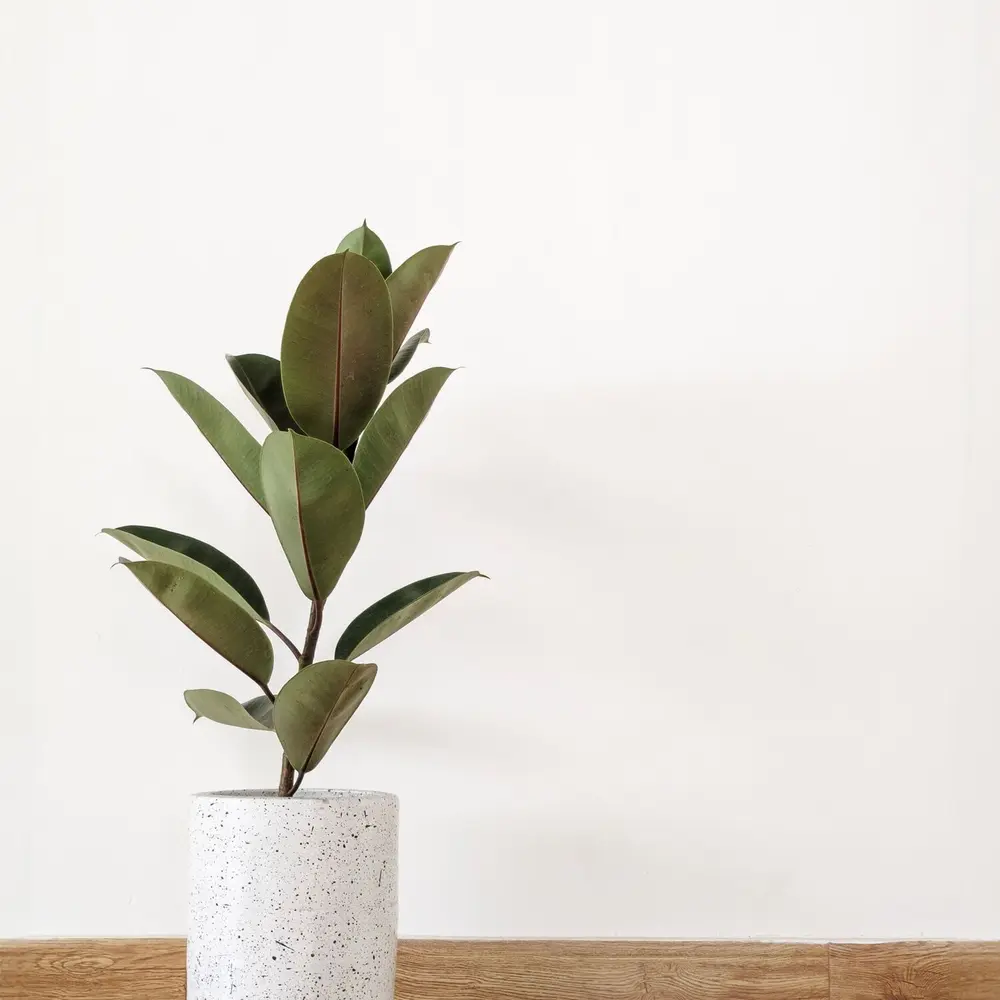
The rubber plant prefers bright light but adapts to low light. It grows best with morning light from an east window, so it sits at the brighter end of this list. In low light it grows slowly, and low light may make it drop leaves, so place it as close to a window as the room allows.
A rubber plant can grow tall and lanky indoors, with large, glossy leaves on a woody stem. It makes a striking floor plant for a living room corner that gets some light during the day.
Water thoroughly, then let the soil dry slightly to the touch before the next watering. It prefers humid air but tolerates the dry air common in homes.
Its big leaves collect dust, which blocks light. Wipe them with a damp cloth now and then so a plant in a dim spot gets all the light it can.
The ASPCA lists rubber plants under Ficus as toxic to cats and dogs.
14. English ivy
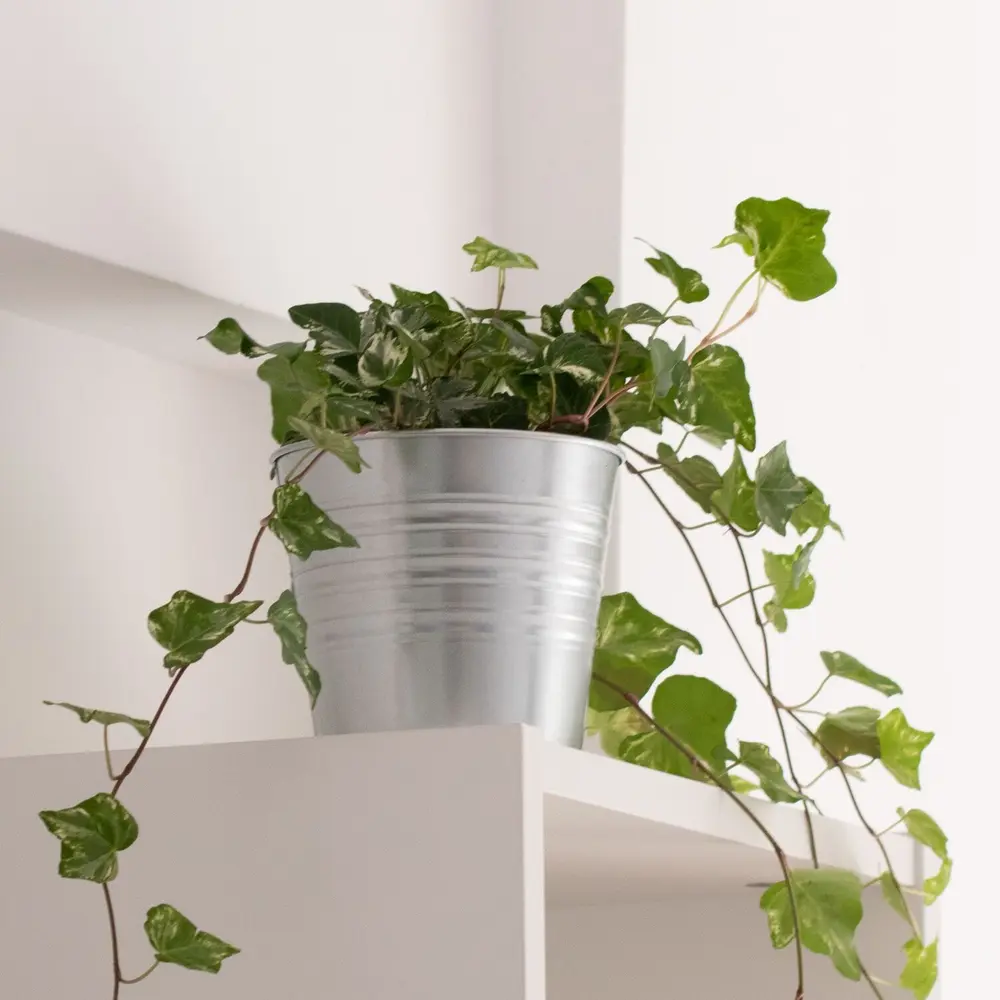
English ivy grows best in bright light, but not direct sun, and it tolerates low to medium light. In low light its growth is reduced, and variegated forms may turn all green. Choose a plain green ivy for a dim spot.
Its trailing stems suit a hanging basket, a shelf edge or the base of a larger potted plant, and it grows in a pot of its own too.
Water thoroughly, then let the soil dry to the touch just below the surface before watering again. Ivy needs fairly steady moisture to keep its leaves, and it grows better slightly cool indoors. It prefers moderate humidity and tolerates the low levels in most homes.
Of the plants on this list, ivy is the one most likely to want a brighter spot. If it drops leaves or stops growing, move it closer to the window.
The ASPCA lists English ivy as toxic to cats and dogs.
15. Zebra haworthia
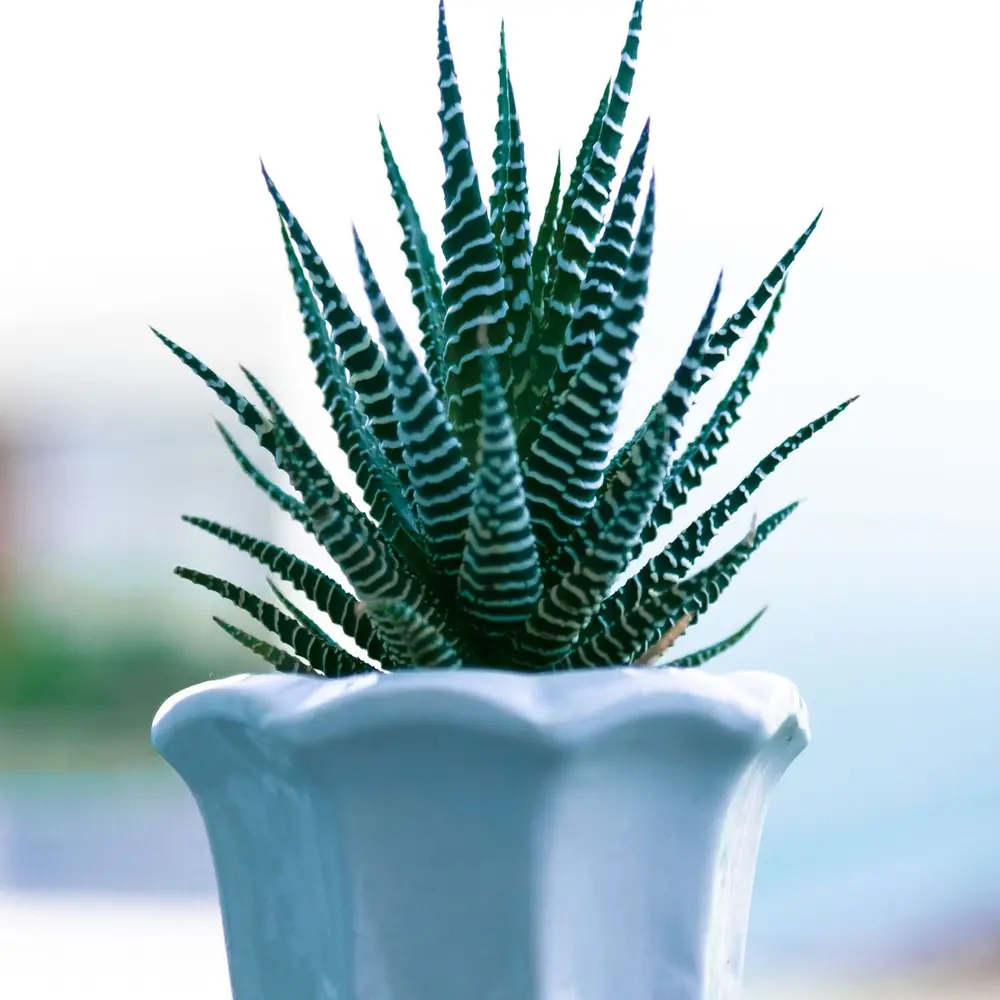
The zebra haworthia is the rare succulent that is somewhat tolerant of low light. It prefers bright, indirect light, and direct sun can scorch its leaves. Most succulents need a bright, sunny window, so this one is the exception for a room that doesn’t have one.
It forms a tight, star-shaped rosette of stiff, dark green leaves with white bands, small enough for a windowsill, a desk or a narrow shelf.
Water it like a succulent: let the soil dry out completely between waterings, then water thoroughly. Overwatering is the main risk, and in low light the soil dries even more slowly. It tolerates the humidity of most homes.
Low light suits it only to a point. If it stretches, loses its compact shape or fades, give it a brighter spot near the window.
The ASPCA lists the zebra haworthia as non-toxic to cats and dogs.
Signs a low light plant needs more light
A plant that tolerates low light still tells you when it gets too little. Watch for:
- Leggy stems, long and thin, with wide gaps between the leaves, reaching toward the window.
- Smaller new leaves, or no new growth at all.
- Pale or yellowing leaves, especially the lower, older ones dropping.
- Variegation fading, so white or gold leaves turn solid green.
- No flowers, on plants such as the peace lily that bloom in brighter light.
Fertilizer, extra water or a bigger pot can’t make up for too little light. Move the plant closer to a window, or add a grow light.
For the very darkest rooms, see the plants for dark rooms that take the least light. Growing plants under a lamp in a room with no window has its own guide: bathroom plants for no sunlight.
How to care for plants in low light
Low light changes care more than it changes the plant list. A plant with less light grows more slowly and uses less water, so the usual schedule turns into overwatering.
- Feel the soil before every watering. Water by the soil, not the calendar, and expect to water less often than in a bright room.
- Use pots with drainage holes. Wet soil stays wet longer in low light.
- Dust the leaves. A film of dust blocks light a dim plant can’t spare.
- Turn the pot now and then so the plant grows evenly instead of leaning toward the light.
- Feed lightly, or not at all, while the plant is barely growing.
The watering schedule maker sets check days for each of your plants and gives you its soil test.
Low light plants at a glance
| Plant | Low light? | Water when | Cats and dogs (ASPCA) |
|---|---|---|---|
| Snake plant | Tolerates poor light | The soil has dried out | Toxic |
| ZZ plant | Does exceptionally well | The soil has dried completely | Not on the list |
| Pothos | Survives long periods | The soil has dried out | Toxic |
| Heartleaf philodendron | Tolerates low light | Keep evenly moist | Toxic |
| Cast iron plant | One of the best | The soil is dry a few inches | Non-toxic |
| Chinese evergreen | Tolerates very low light | The top of the soil is dry | Toxic |
| Peace lily | Adapts, but flowers less | Keep moist, not soggy | Toxic |
| Parlor palm | Among the most tolerant | Keep evenly moist | Non-toxic |
| Spider plant | Tolerates deep shade | The top of the soil is dry | Non-toxic |
| Corn plant | Tolerates low light | The surface is dry | Toxic |
| Prayer plant | Tolerates low light | Keep evenly moist | Non-toxic |
| Baby rubber plant | Tolerates it for months | The soil has dried out | Non-toxic |
| Rubber plant | Adapts, may drop leaves | The soil is slightly dry | Toxic |
| English ivy | Tolerates it, grows slowly | The surface is dry | Toxic |
| Zebra haworthia | Somewhat tolerant | The soil has dried completely | Non-toxic |
Not sure which of these fits your room? The plant finder matches plants to your light, your space and your pets.
Frequently asked questions
What counts as low light for a houseplant?
Low light is a spot the sun never reaches, such as a few steps back from a north window or a corner across the room from a window. It is roughly bright enough to read a newspaper by. A room with only lamps gets less than that.
Can a plant live with no window at all?
Not on room light alone for long. Without enough light a plant uses up its reserves and declines. A grow light on a timer can stand in for the window, and a few of these plants grow well under it.
Which low light plants are safe for cats and dogs?
Of the plants on this list, the ASPCA lists the cast iron plant, parlor palm, spider plant, prayer plant, baby rubber plant and zebra haworthia as non-toxic to cats and dogs.
How often should I water a plant in low light?
Less often than the same plant in a bright window, because it grows more slowly and uses less water. Feel the soil before every watering instead of following a calendar.
Save it for later
Pin it to a board so it's there when you need it.
Save to Pinterest(opens in a new tab)Keep reading
Care guide
Snake plant care guide for light, water and soil
How to care for a snake plant indoors: the light it likes, how often to water, the right soil and pot, repotting, propagation and the problems to watch for.
Care guide
Pothos plant care guide for long, full vines
How to care for a pothos plant indoors: light for bright leaves, watering, soil, feeding, pruning for fuller vines, rooting cuttings and fixing yellow leaves.
Care guide
Peace lily care guide for leaves, blooms and water
How to care for a peace lily indoors: the light that brings flowers, how to water without root rot, soil, feeding, repotting, dividing and fixing brown tips.
Care guide
Spider plant care guide for healthy leaves and babies
How to care for a spider plant indoors: light, watering, soil, feeding, repotting, rooting its babies and fixing the brown leaf tips it is known for.
Try a free tool
Plant Finder
Answer four questions about light, space, pets and watering to see the houseplants that fit your spot.