Plant Finder
Answer four questions about light, space, pets and watering to see the houseplants that fit your spot.
Published
The best watering schedule for indoor plants sets the days you check the soil, not the days you water. Pick your plants and a few check days below, and the schedule lists the soil test that tells you whether each plant needs water. Its opening example reads: Check 3 plants every Sunday and Wednesday.
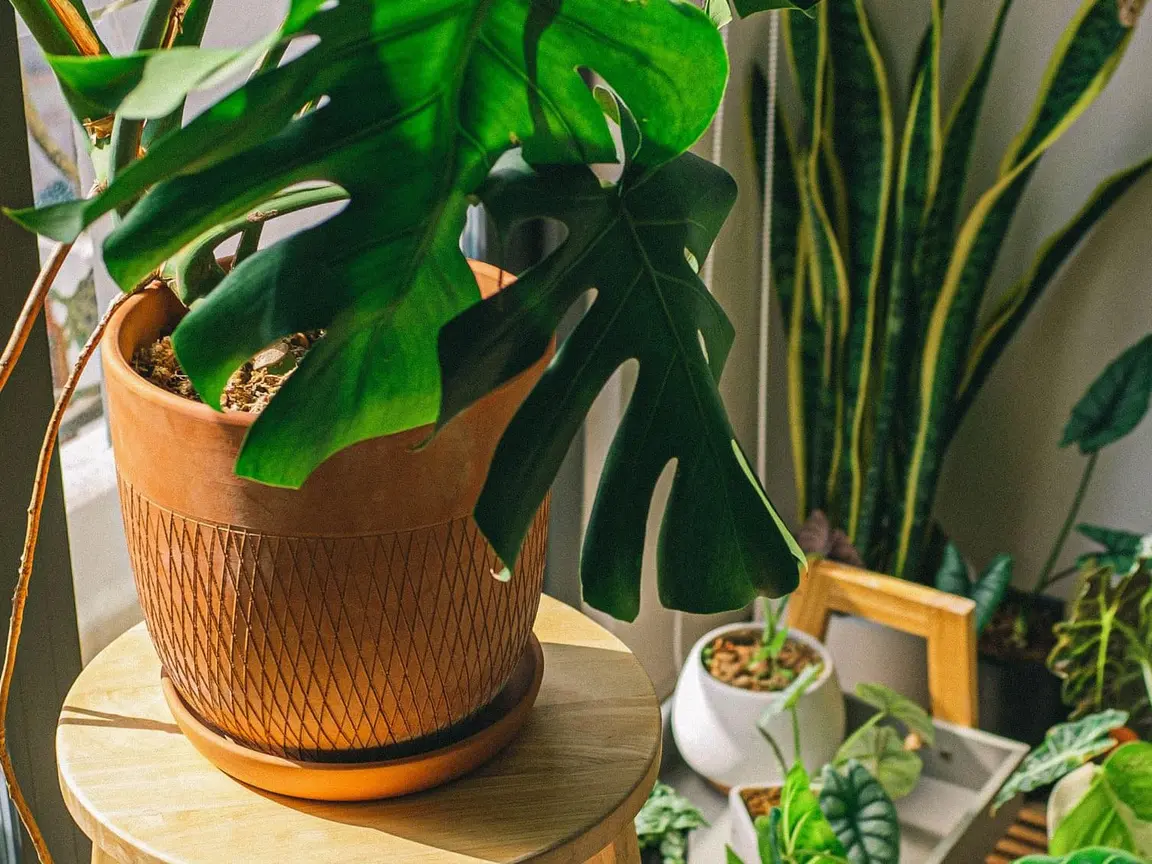
Print the page or copy the table into your calendar. On each check day, walk past every plant on the list, run its test and water only the ones that pass.
To keep a record, print the plant watering tracker and write the date each time a plant passes its test.
How fast a pot dries depends on the light, the warmth of the room, the size of the pot and the time of year. The same plant can need water every few days in a sunny summer window and every few weeks in winter.
That is why a fixed watering day goes wrong. Watering every Saturday drowns a plant whose soil is still wet and misses one that dried out on Tuesday.
Checking on set days fixes both problems. The habit stays regular, while the water goes only to the plants that need it.
Each plant in the schedule follows one of three rules. Push a finger into the potting mix up to the first knuckle, about 1 inch, and compare what you feel with the plant's rule.
A dry pot also sounds hollow when you tap its side. Pair the tap with the finger test and you will rarely guess wrong.
Light comes first. A plant in a bright window uses water faster than the same plant across the room, so its soil passes the test sooner.
The season comes next. As growth picks up in spring, water use rises with it, and the plants that sat for weeks in winter start passing the test on more check days.
The pot plays a part too. A pot that is too big for the roots holds more soil than the plant can use, so it stays wet for a long time and makes the test harder to read.
None of this needs a new schedule. Keep the same check days all year and let the soil test absorb the changes, plant by plant.
Water thoroughly, until water runs out of the drainage hole. A full soak wets the whole root ball, while a small splash only wets the top.
Let the pot drain, then empty the saucer. A plant left standing in water keeps its roots wet, which undoes the point of the soil test.
Most houseplants grow slowly in fall and winter, so they use less water and their soil stays damp longer. Keep your check days, but expect fewer plants to pass the test.
More houseplants die from too much water in winter than from too little. When in doubt, wait for the next check day.
Light, humidity and drafts change in winter too. Thewinter plant care checklist covers them on one sheet you can keep near your plants.
Choose fall and winter in the schedule maker and the season column changes. A snake plant, for example, goes from every 2 to 4 weeks while it grows to every 4 to 6 weeks.
For a few plants the usual gap between waterings is well known. Use it as a guide to what to expect, and let the soil test have the final say.
| Plant | Spring and summer | Fall and winter |
|---|---|---|
| Snake plant | every 2 to 4 weeks | every 4 to 6 weeks |
| ZZ plant | 1 or 2 times a month | about once a month |
Overwatering and underwatering look alike at first: both can turn leaves yellow and make them drop. The soil tells them apart.
If the plant wilts in wet soil, don't water. Let the pot dry out and check the roots, since soggy soil can cause root rot.
The schedule maker looks up each plant you tick in its plant list and shows that plant's watering rule as a soil test: water when the top inch of soil is dry, let it dry out, or keep it evenly moist. The season changes the note beside each plant.
The plant details come from university extension plant pages. Everything runs in your browser, so your plant list never leaves the page.
The free plant tools work together: find the plant, size its pot, then plan when to check the soil.
As often as the soil says, not on a fixed calendar. Pick a few days a week to check the soil, and water each plant only when its soil test says it is ready.
Light, heat, pot size and season change how fast soil dries, so the same plant may need water after a few days in summer and after weeks in winter. Checking on set days catches each plant when it is ready.
Yes, for most houseplants. Growth slows in fall and winter, so the soil stays wet longer. Keep your check days and expect fewer plants to need water.
Push a finger into the potting mix up to the first knuckle. If it feels dry there, a plant that likes the top inch dry is ready for water. Plants that like to dry out need the soil dry deeper down.
Pin it to a board so it's there when you need it.
Save to Pinterest(opens in a new tab)Answer four questions about light, space, pets and watering to see the houseplants that fit your spot.
Type the current pot's width and tick the signs you see to get the next pot size for repotting.