12 bathroom plants for no sunlight and steamy air

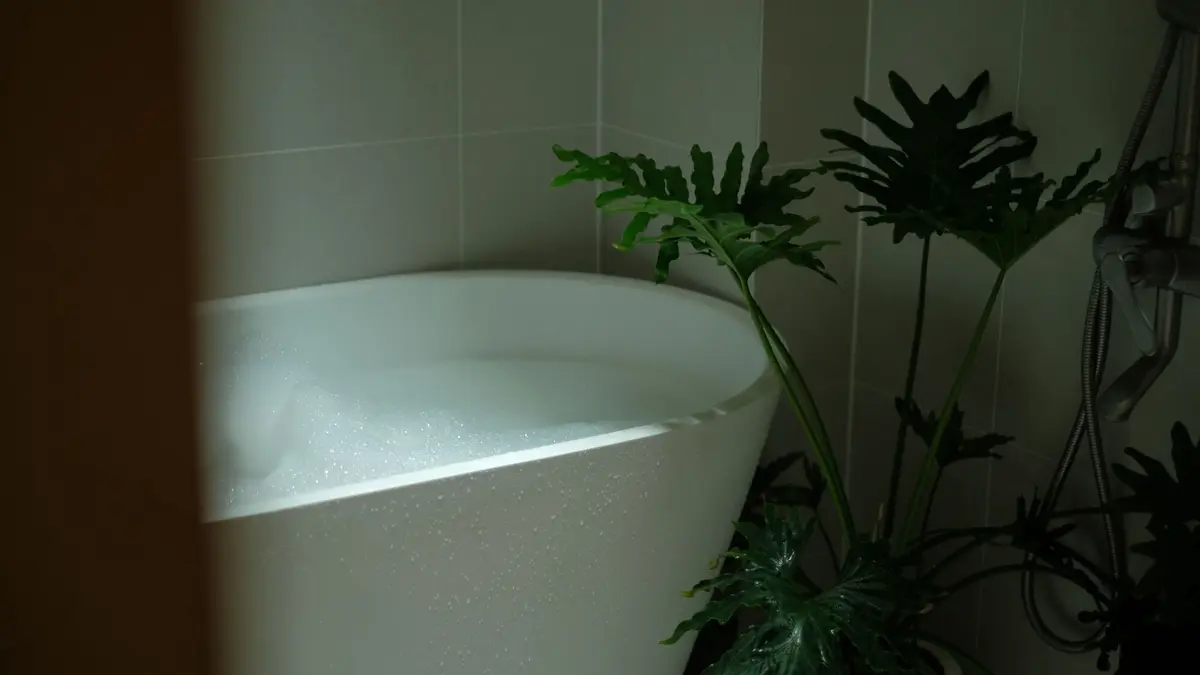
The best plants for a bathroom with no window are the ones that grow under lamp light: ZZ plant, Chinese evergreen, cast iron plant, heartleaf philodendron, pothos, snake plant, peace lily, parlor palm, prayer plant, corn plant, baby rubber plant and spider plant.
What they can’t do is live in the dark. A plant uses light to make its food, and without enough of it the plant uses up its reserves and dies. So a windowless bathroom needs two things: one of these plants, and a light that stays on for most of the day.
First, give the bathroom a light
A ceiling light switched on for a few minutes at a time doesn’t keep a plant alive. Artificial light can make up for the missing sun, though, and low light plants grow well under it.
- Pick a white or balanced bulb. LED and fluorescent lights are the common choices, and white or balanced bulbs suit most plants at any stage of growth. A plain fluorescent light placed fairly close also helps plants that can’t sit near a window.
- Set the distance. Keep foliage houseplants about 12 to 24 inches from the light, on a shelf under it or with the light clipped above the pot.
- Put it on a timer. Foliage houseplants need about 12 to 14 hours of light a day. A plug-in timer turns the light on and off at the same times every day, and plants need that regularity.
- Keep water and power apart. Water around plants makes grounded electrical fixtures important. Use a grounded plug and outlet, and keep cords, plugs and the timer away from the sink, the tub and the shower spray.
Then watch the plant. Long, thin stems, smaller new leaves or pale, yellowing lower leaves mean it needs the light closer or on longer.
Why plants like a bathroom
Bathrooms and kitchens often run more humid than the rest of the house, which makes them the place for plants that need high humidity. The steam from a shower adds moisture to the air every day. Most houseplants like 40 to 50 percent humidity, more than many heated homes have in winter.
Humidity only helps a plant that has enough light, though, and that is why every plant below starts with the light.
1. ZZ plant
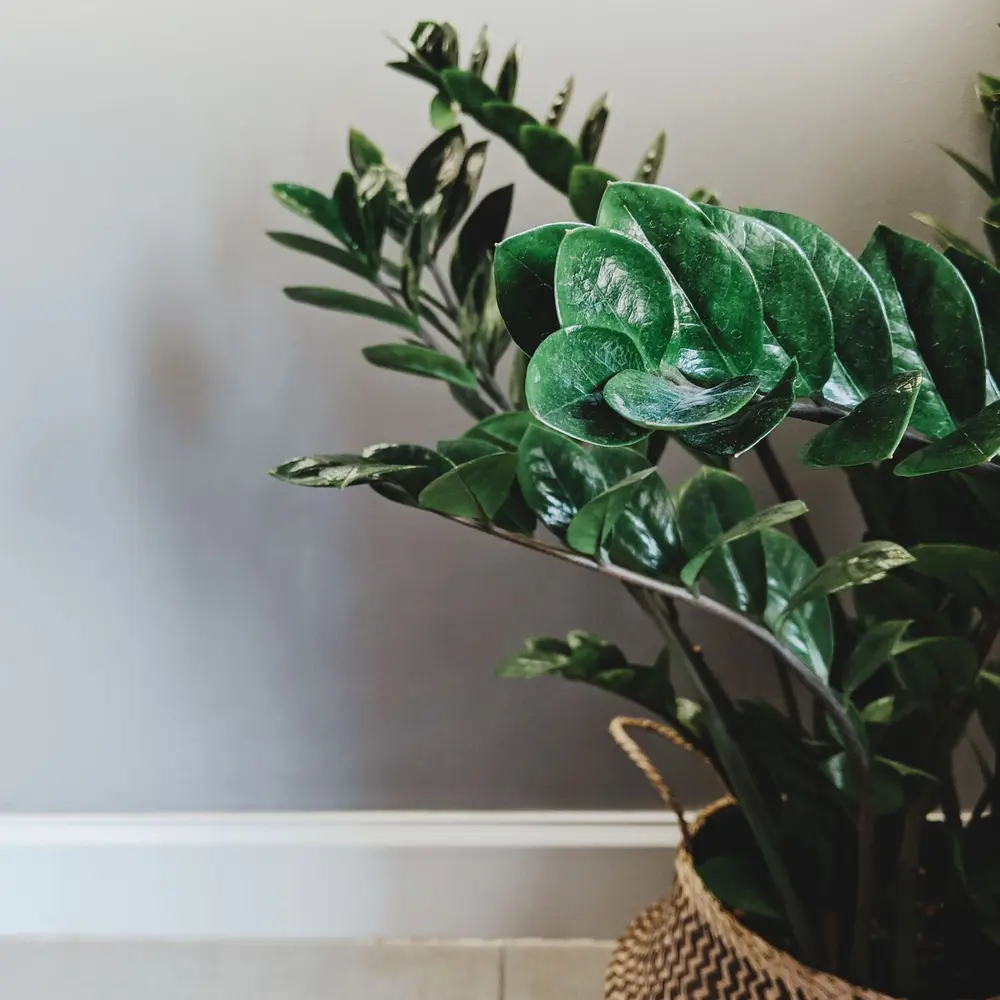
The ZZ plant is the one to try first. It grows best in low, indirect light, but it also grows under fluorescent lighting in a room with little or no natural light. Its glossy, dark green leaves stay neat under a lamp where many plants turn pale and leggy.
It doesn’t need bathroom humidity; it is used to dry air and thrives at ordinary indoor levels. It doesn’t mind the steam either, so it sits happily on the floor beside the vanity or on the tank lid.
Water only after the potting mix has dried completely, which is often only once or twice a month. A ZZ plant that sits in wet soil rots, so feel the mix before every watering, and never water just because the room is humid.
The ZZ plant isn’t on the ASPCA plant list. Treat it as unsafe for pets and children and keep it out of reach. The ZZ plant care guide has the full routine.
2. Chinese evergreen
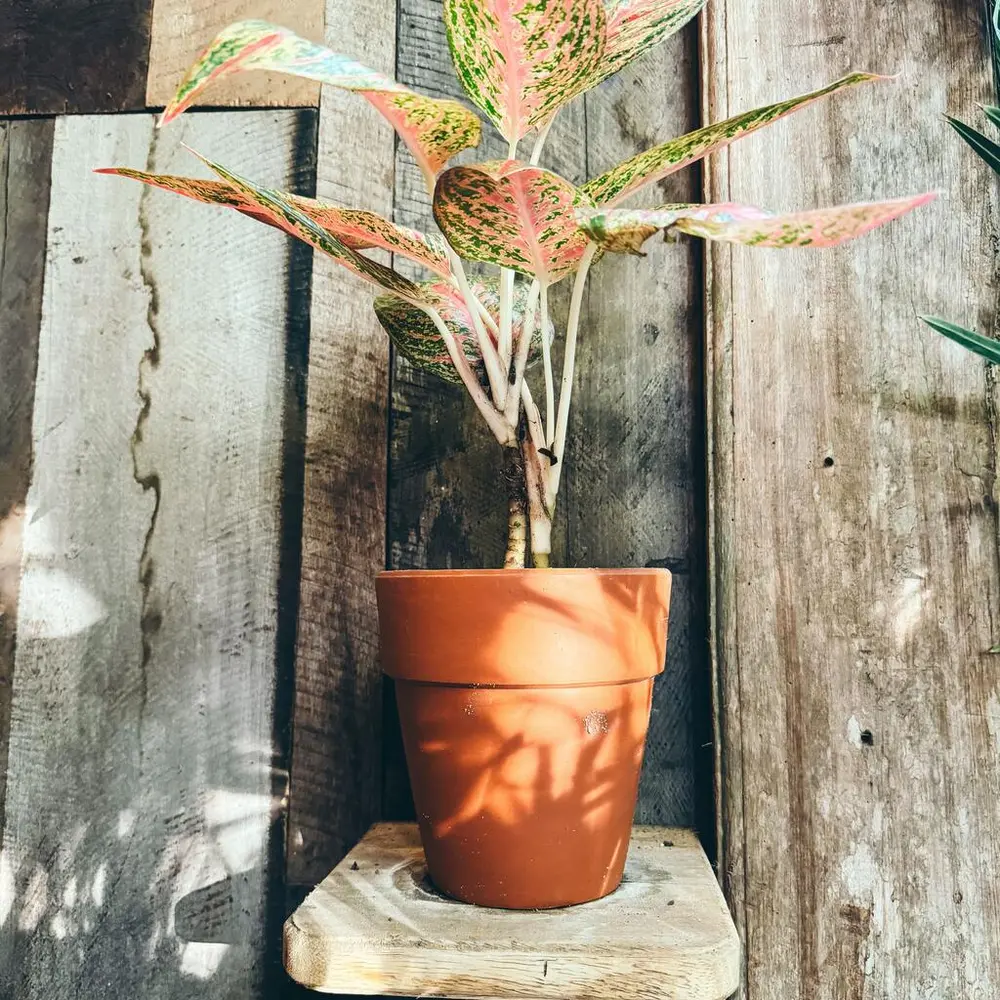
The Chinese evergreen tolerates very low light, and it is one of the few plants that can be kept going on very little artificial light. That makes it a forgiving plant for a bathroom where the grow light is modest, and it tops the list of plants for dark rooms.
It is a fairly compact, upright plant with patterned leaves in green, silver or pink, sized for a vanity, a counter corner or a shelf under the light. As a rule, darker green leaves suit low light best, so the deep green types are the safest choice for a weak light, while the pink and silver ones are better under a strong one.
It tolerates low humidity and prefers moderate humidity, so a bathroom suits it well. Keep the soil moist, letting the top dry before you water again. It doesn’t like direct sun, which is one thing a windowless bathroom never gives it.
The ASPCA lists the Chinese evergreen as toxic to cats and dogs.
3. Cast iron plant
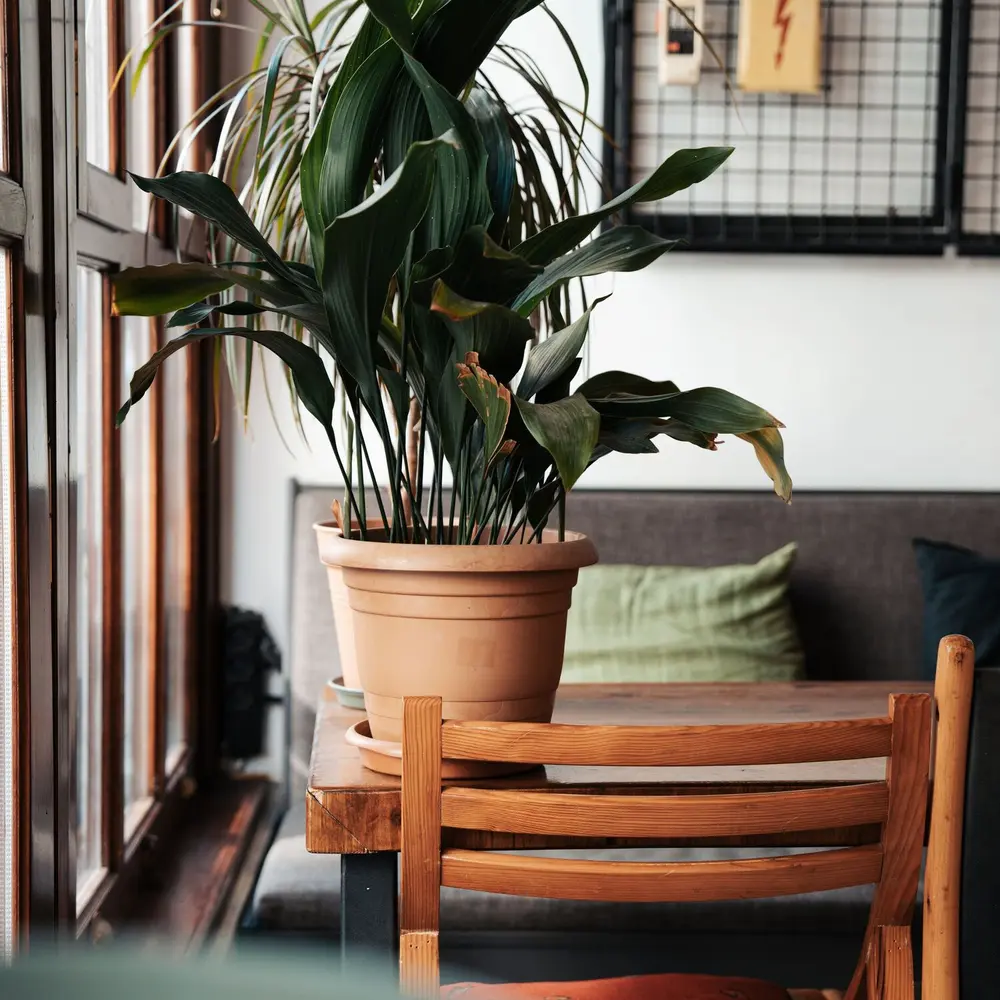
The cast iron plant tolerates cool rooms and poor light, and it is one of the best plants where only low light exists. It endures heat, dust, low light and missed waterings better than most houseplants.
Its dark green, sword-shaped leaves grow upright to 2 to 3 feet tall, so it fills an empty floor corner in a larger bathroom or stands beside the tub. It doesn’t need a humid room, but it takes the steam in stride.
Water when the soil is dry a few inches down, and let the extra water drain out. It grows slowly and is harmed by frequent repotting, so leave it in its pot until it is crowded.
Under a grow light, keep its leaves within the reach of the light; a tall plant on the floor may need a light aimed at it from the side or above.
The ASPCA lists the cast iron plant as non-toxic to cats and dogs.
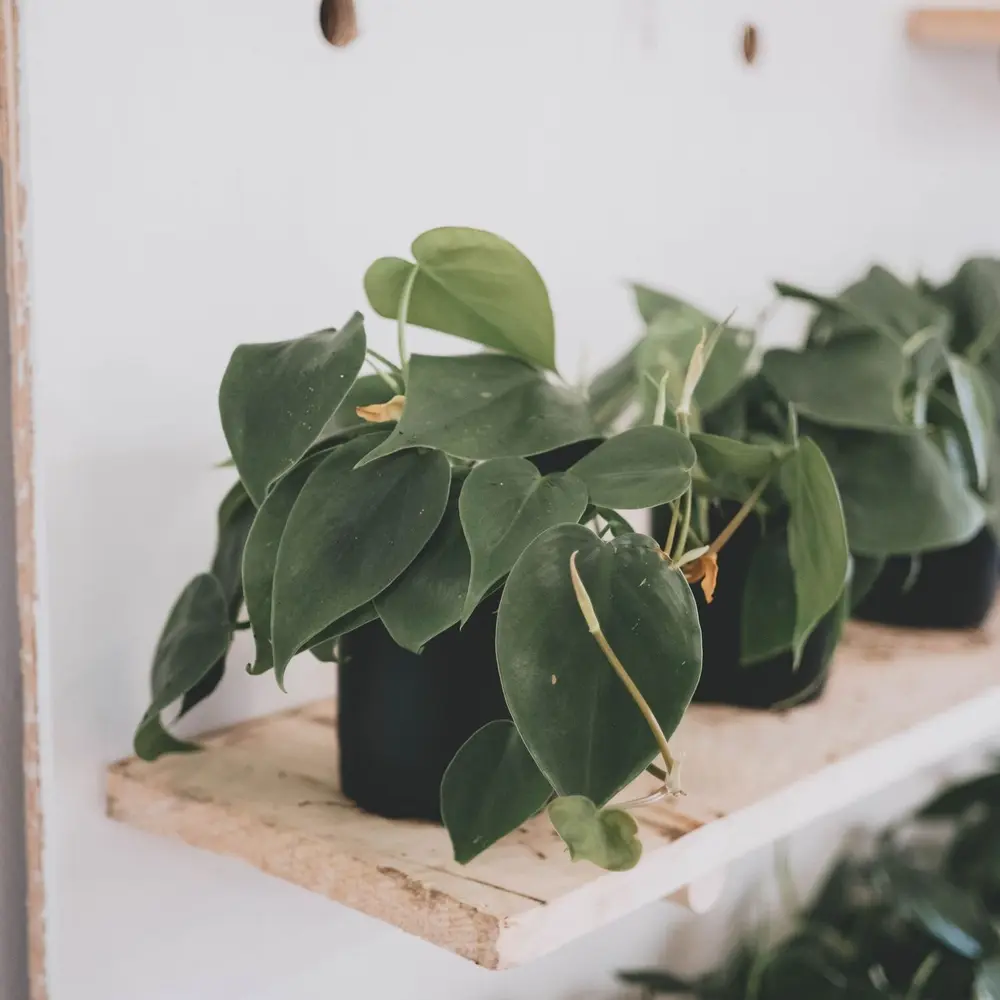
4. Heartleaf philodendron
The heartleaf philodendron grows well under artificial or existing room light, and it tolerates low light. That is the description of a windowless bathroom, which makes it one of the best trailing plants for one.
Hang it in a basket from a ceiling hook under the light, or let it trail from a shelf above the toilet. Its stems either trail from a pot or climb a support if you give it one.
Philodendrons do best in high humidity but tolerate the lower humidity of most homes, so the bathroom is a step up for it. Keep the soil evenly moist but not soggy, and slow down on watering in winter. Wash the leaves now and then to remove dust, which blocks light.
The ASPCA lists the heartleaf philodendron as toxic to cats and dogs.
5. Pothos
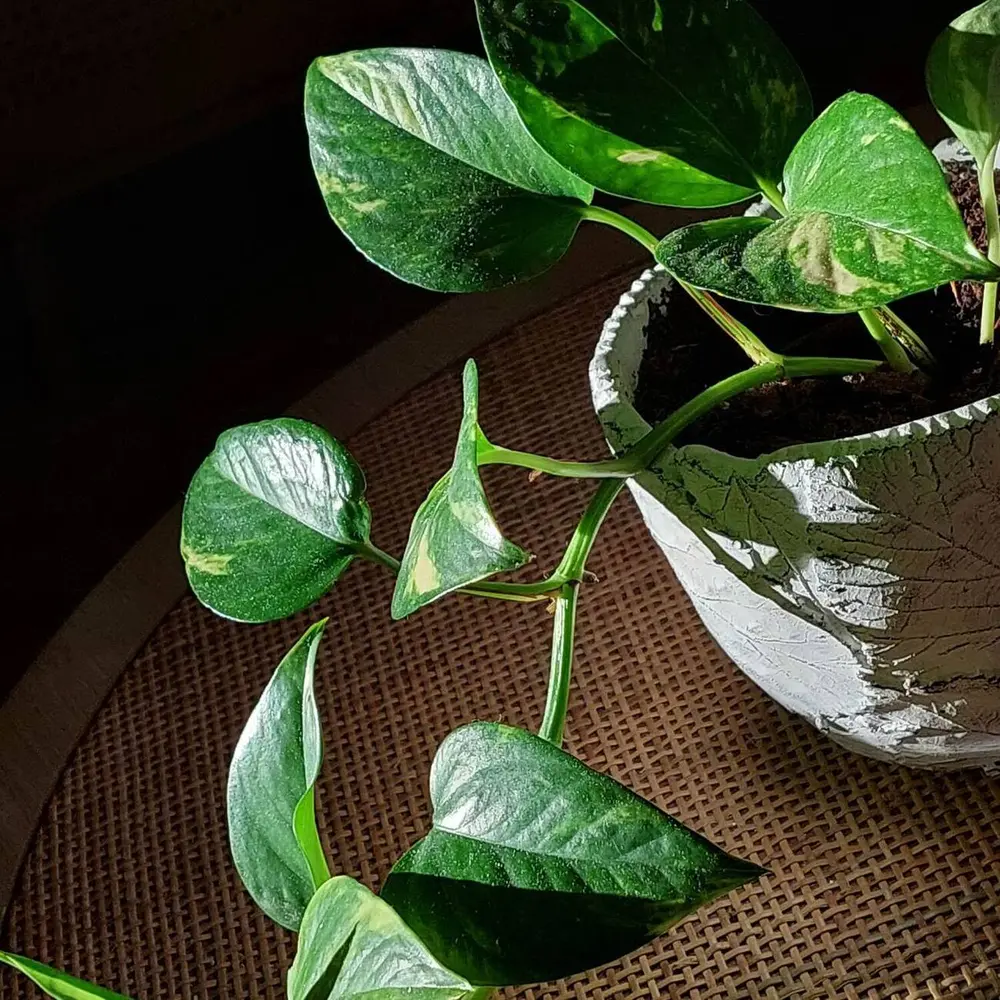
Pothos is satisfactory in low and medium light and survives long periods in low light, so a grow light on a timer is plenty for it. It looks a lot like the heartleaf philodendron, and the two grow in much the same places.
Pothos tolerates low humidity, but extra humidity suits it, so the bathroom is a comfortable place. Let it trail from a high shelf or a hanging pot, and keep the vines off the floor and away from the toilet and the tub.
It takes less even moisture than philodendron: let the soil dry out between waterings, and keep it out of a pot without a drainage hole. Under a lamp, variegated pothos may fade toward green, while a plain green pothos keeps its color.
The ASPCA lists golden pothos as toxic to cats and dogs.
6. Snake plant
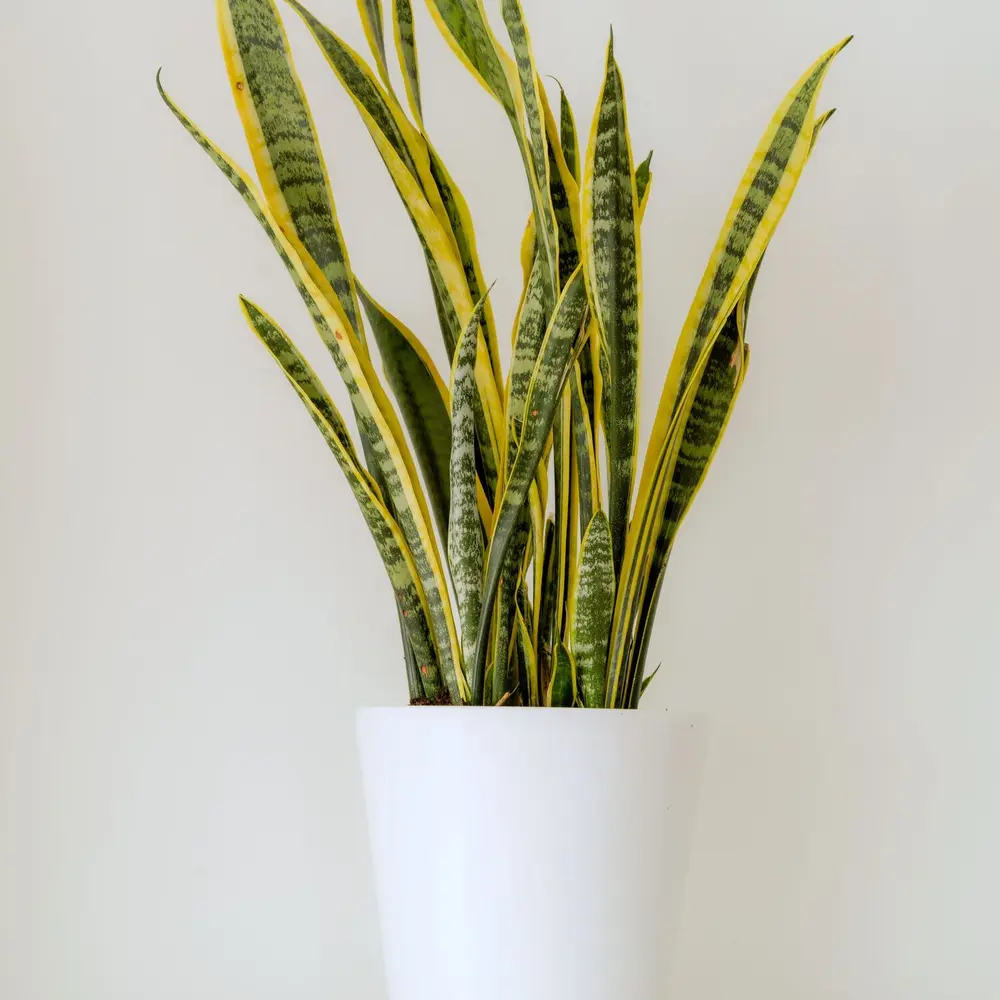
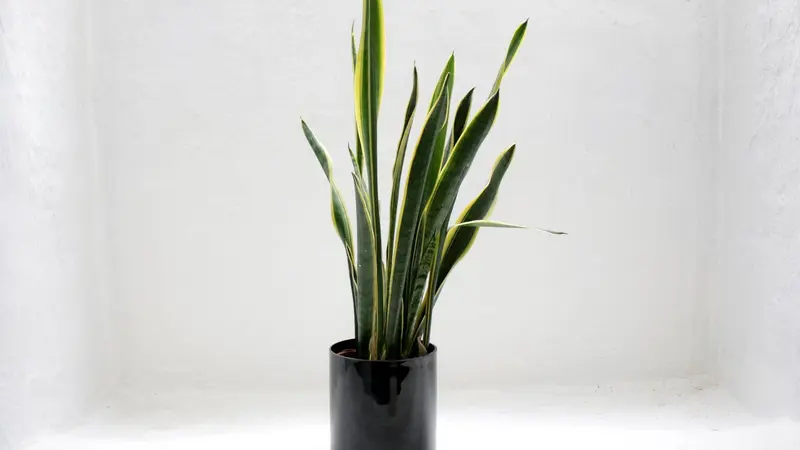
The snake plant tolerates poor light and grows well indoors, though it makes its best growth in medium to bright light. Under a grow light it grows slowly and steadily, and its stiff, upright leaves take up little floor space beside a vanity or in a narrow gap by the tub.
It prefers warm rooms and low humidity, so it doesn’t need the bathroom’s steam. It tolerates it, and the steam does it no harm as long as its soil stays on the dry side.
Let the soil dry out completely between waterings, and water even less in winter. Overwatering is the one thing that kills a snake plant, and in low light the soil stays wet for a long time.
The ASPCA lists the snake plant as toxic to cats and dogs. The snake plant care guide covers its soil and repotting.
7. Peace lily
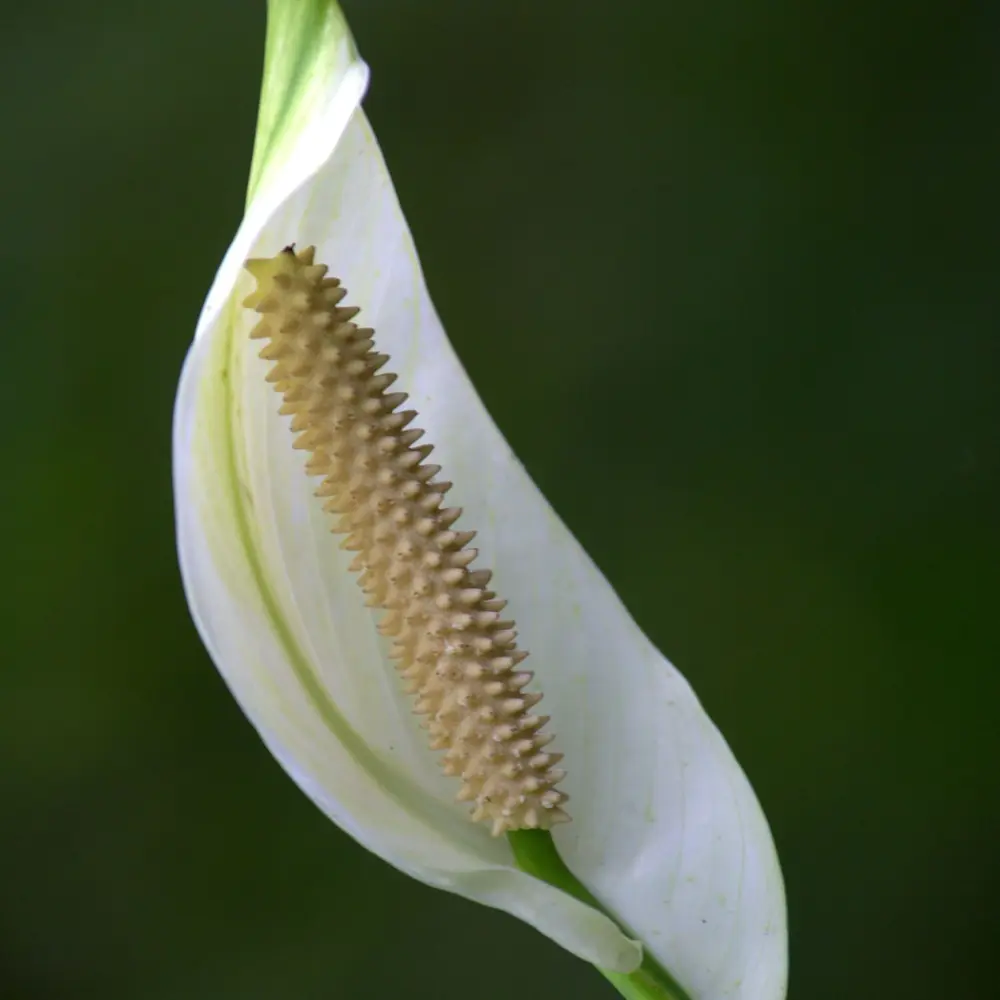
The peace lily adapts to low light but needs medium light to flower. Under a modest grow light, expect a lush green plant with few flowers. A stronger light, closer to the plant, gives it a better chance of blooming.
Its broad, glossy leaves look at home in a bathroom, on the floor in a larger room or on a counter if you choose a compact one. Low humidity is one of the causes of brown leaf tips, so the bathroom’s moist air suits it.
Keep the soil moist but not soggy, and don’t let it dry out. Its leaves wilt when it is thirsty and stand back up after a drink, but wilting again and again leads to yellow leaves and brown tips.
The ASPCA lists the peace lily as toxic to cats and dogs. The peace lily care guide covers getting it to flower again.
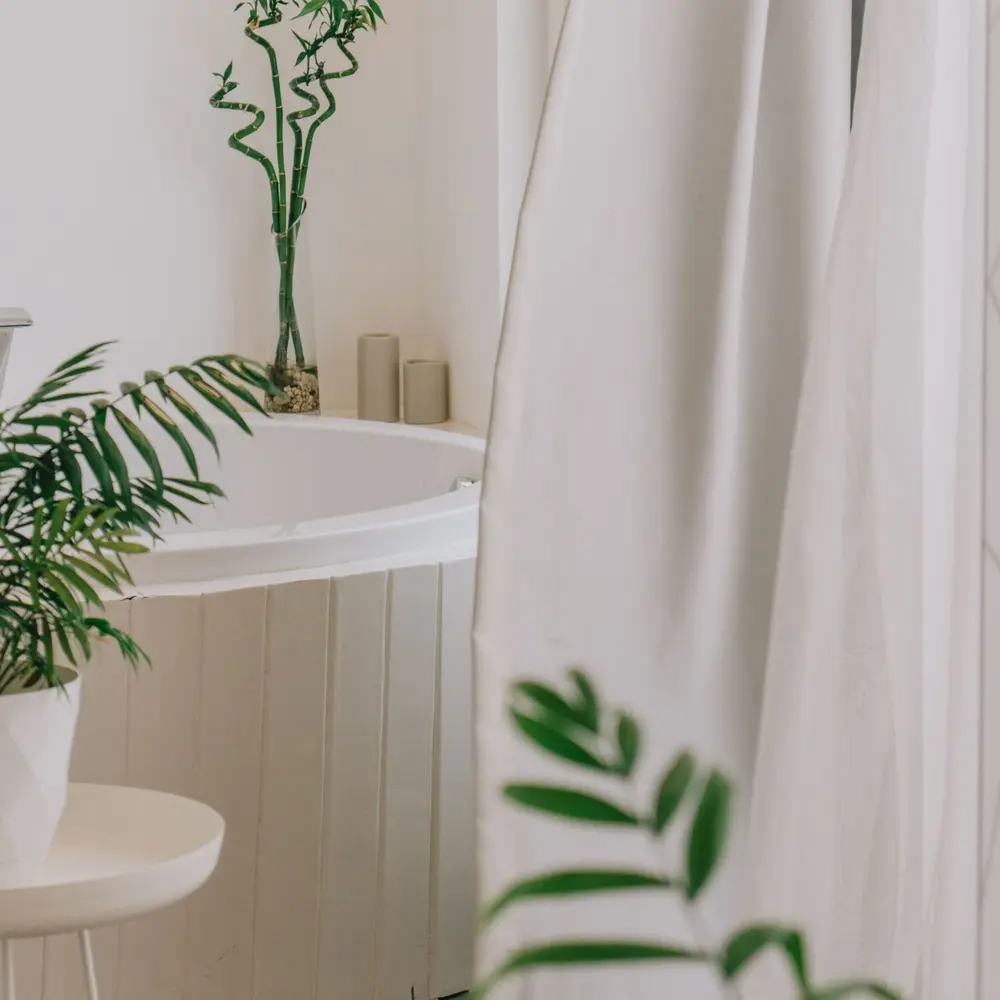
8. Parlor palm
The parlor palm, also sold as Neanthe bella, is one of the palms most tolerant of low light. Most palms want bright light, so this small, compact one is the palm for a bathroom.
It prefers high to moderate humidity, and the bathroom gives it more than most rooms in the house. Set it on the floor near the light or on a wide shelf, where its soft, arching fronds have room.
Keep the soil evenly moist. Never let it dry out, and never leave it standing in water in its saucer. Palms grow slowly indoors, so it can stay in the same pot for a long time.
Keep close watch for spider mites on the undersides of the fronds, and wipe them off as soon as you see them.
The ASPCA lists the parlor palm as non-toxic to cats and dogs.
9. Prayer plant
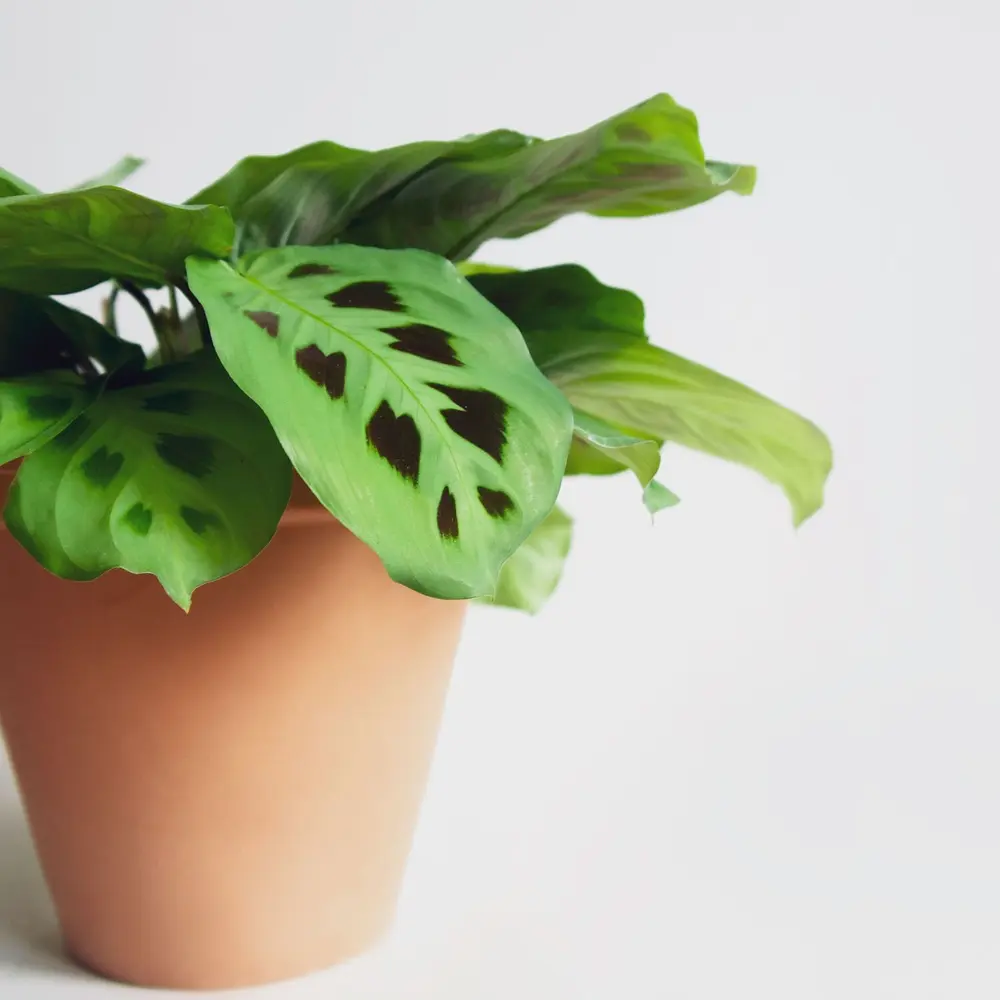
The prayer plant tolerates low to medium light and can’t stand direct sun or low humidity. The light is the part you supply; the humidity is the part the bathroom supplies, which makes this the plant that suits a bathroom best.
It needs high humidity, the kind it would otherwise get only from a humidified room or a tray of wet pebbles. In a bathroom it often gets that from the shower alone.
It is a low, spreading plant with patterned leaves, good on a vanity or in a hanging basket where its leaves can spill over the edge. Keep the soil evenly moist through the growing season, and use a pot with a drainage hole so it never sits in water.
Keep it under the brightest part of the light. It tolerates low light, but under a light that is too weak or too far away it grows slowly and stretches toward the lamp.
The ASPCA lists the prayer plant (Maranta) as non-toxic to cats and dogs.
10. Corn plant
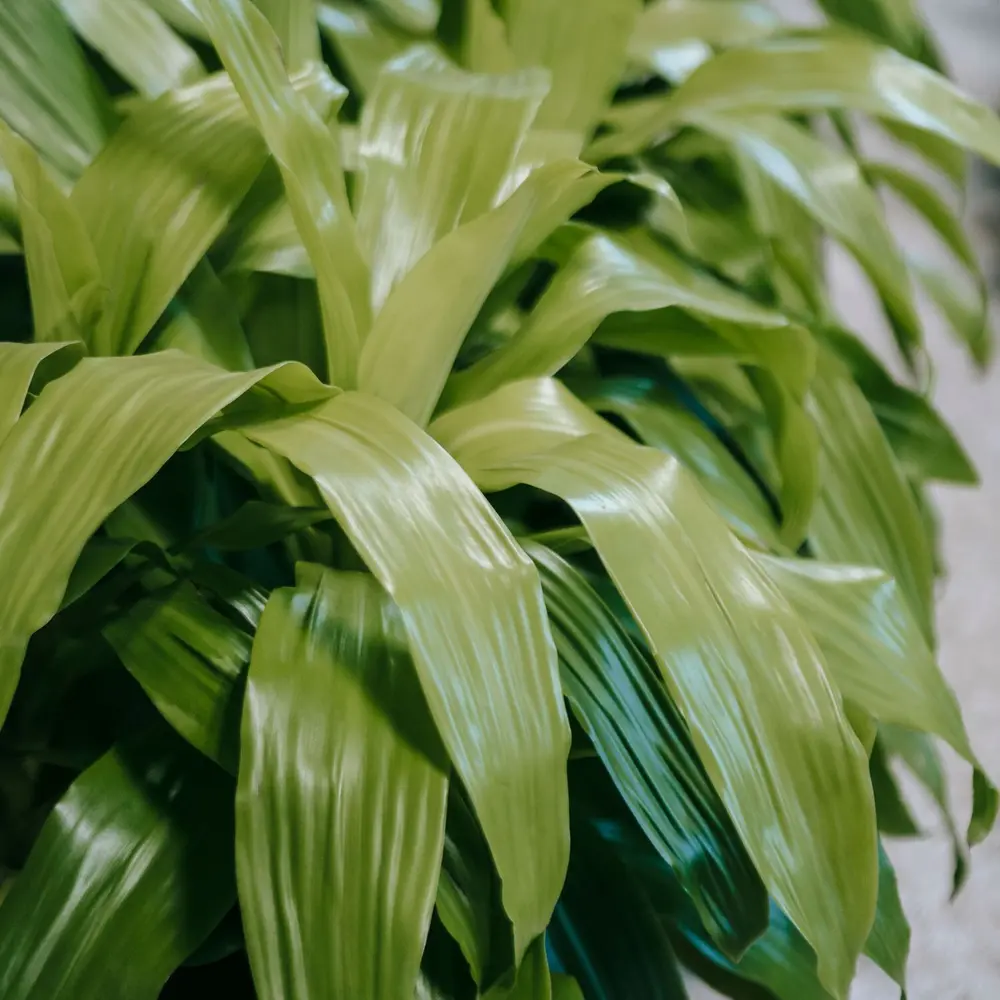
The corn plant, like most dracaenas, is well adapted to house conditions and tolerates low light, though it also does well in medium light. Its tall, unbranched stem and long, arching leaves give a bathroom height without taking much floor space, which makes it a good choice for a larger bathroom with an empty corner.
Dracaenas like warmth and steady moisture. Let the soil dry slightly between waterings, but never let it dry out completely. Its leaf tips can turn brown when the indoor air is too dry, and the bathroom’s humidity helps there.
Because it grows tall, light reaches only its top from a ceiling fixture. Aim a light at the leaves from the side or above, and keep the plant out of the cold draft of an exhaust fan or a door.
The ASPCA lists the corn plant as toxic to cats and dogs.
11. Baby rubber plant
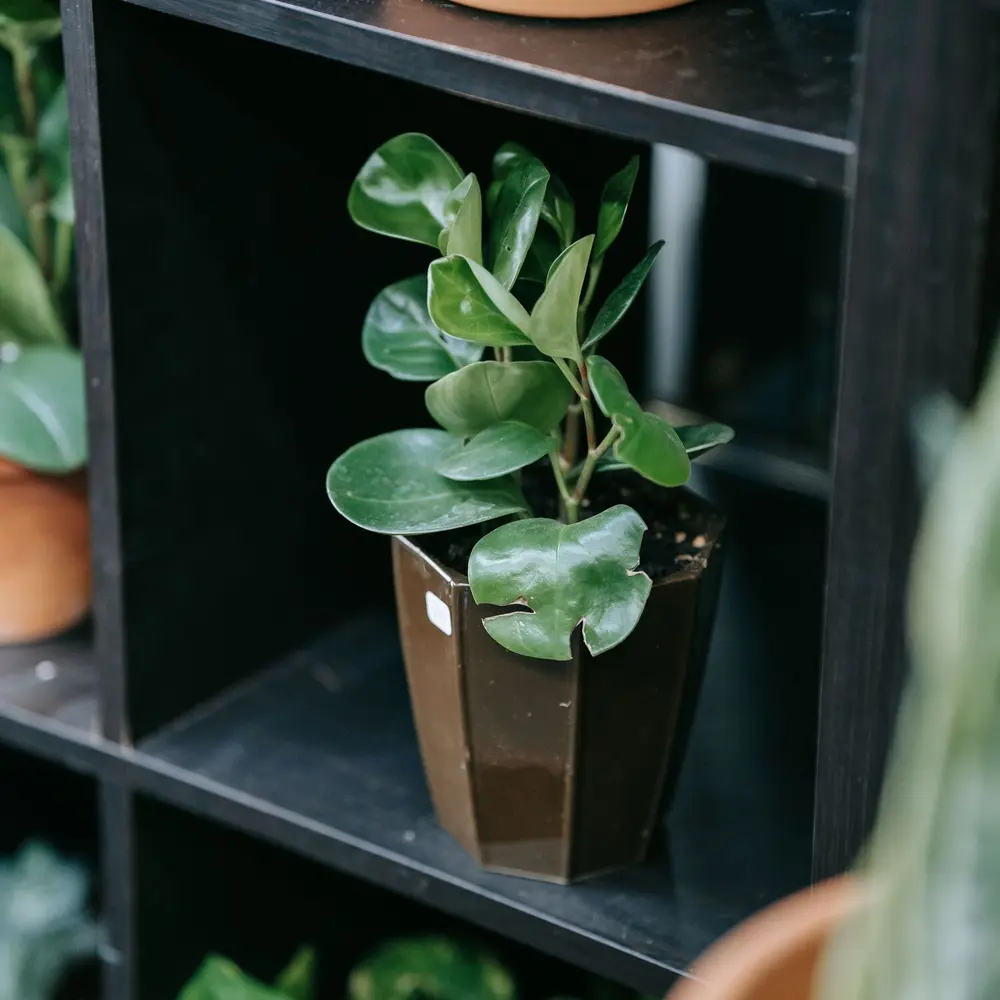
The baby rubber plant, a peperomia, tolerates low light for several months without stress, especially the plain green forms. Peperomias prefer a medium light level, so keep it close to the grow light.
It is small and bushy, with thick, fleshy leaves, sized for the vanity or a narrow shelf beside the mirror. It is commonly used as a desktop plant for the same reason: it fits where bigger plants don’t.
Water it carefully, because peperomias prefer to dry out between waterings and rot when overwatered, and low light slows drying. Feel the soil first, and skip a watering if it is still damp. It does fine in medium to low humidity, so it needs nothing special from the room.
The ASPCA lists the baby rubber plant as non-toxic to cats and dogs.
12. Spider plant
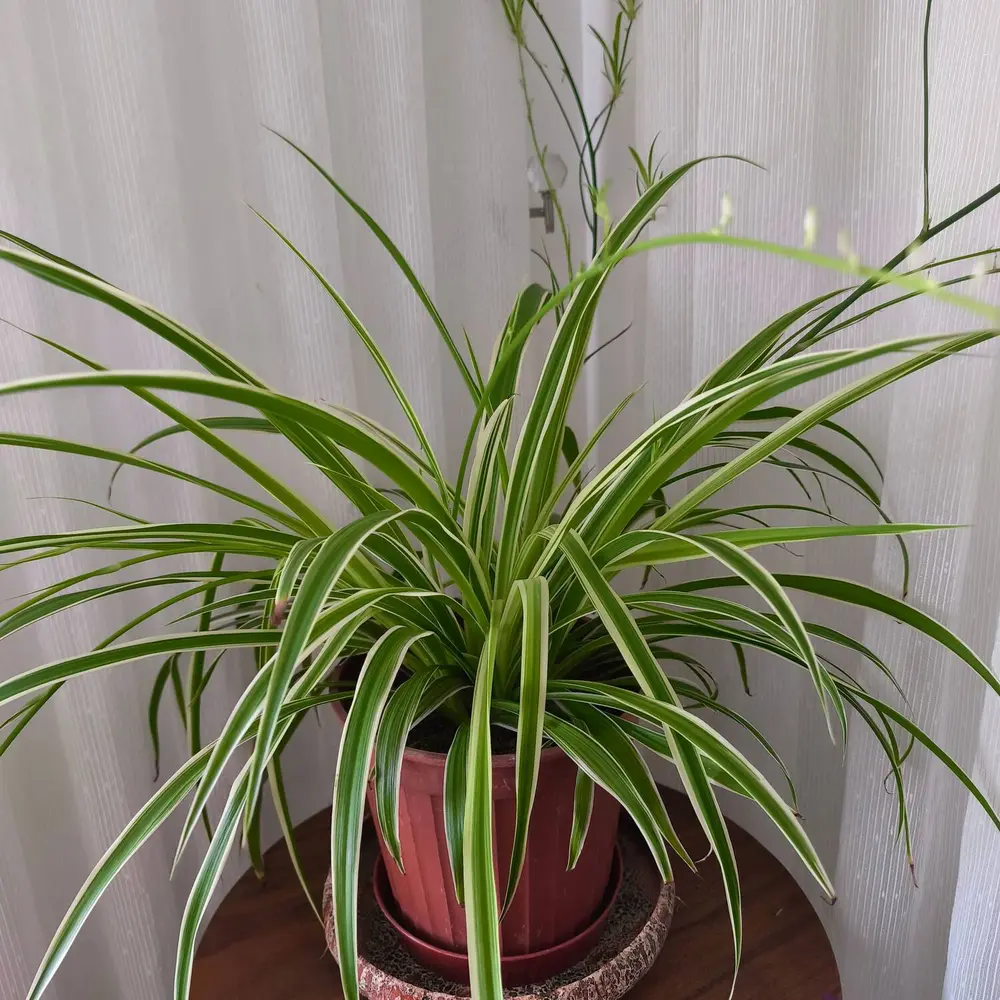
The spider plant prefers medium light and tolerates deep shade, which makes it one of the easier plants to keep under a grow light. Hang it from a ceiling hook under the light, where its arching, striped leaves and the plantlets on long stems can cascade over the sides of the basket.
It grows best in moist soil and medium humidity, though it tolerates drought. Water when the top 1 to 2 inches of soil feel dry, and let it dry out briefly between waterings.
A spider plant that gets too little light grows slowly and turns pale. If yours does, lower the light toward the leaves or move the plant closer to it. Its leaves trail 2 to 3 feet from a hanging basket, so leave room for them below the hook.
The ASPCA lists the spider plant as non-toxic to cats and dogs.
Plants to skip in a windowless bathroom
Some plants sold for bathrooms need more light than a lamp in a windowless room gives them.
- Succulents and cacti need high light, and most do poorly under home grow lights.
- Flowering plants need more light to bloom; most plants grown for their flowers need high light.
- Ferns, the classic bathroom plant, tolerate low light but prefer medium light, and their soil must never dry out. Grow one only under a strong light.
- Herbs need fairly bright light, and under lamps they need as much light as possible for many hours a day.
Bathroom plants at a glance
| Plant | Where in the bathroom | Humidity | Cats and dogs (ASPCA) |
|---|---|---|---|
| ZZ plant | Floor, tank lid | Doesn’t need it | Not on the list |
| Chinese evergreen | Vanity, shelf | Prefers moderate | Toxic |
| Cast iron plant | Floor corner | Doesn’t need it | Non-toxic |
| Heartleaf philodendron | Hanging, high shelf | Likes it | Toxic |
| Pothos | Hanging, high shelf | Likes it | Toxic |
| Snake plant | Floor, narrow gaps | Doesn’t need it | Toxic |
| Peace lily | Floor, counter | Helps prevent brown tips | Toxic |
| Parlor palm | Floor, wide shelf | Prefers high to moderate | Non-toxic |
| Prayer plant | Vanity, hanging | Needs high humidity | Non-toxic |
| Corn plant | Floor | Helps prevent brown tips | Toxic |
| Baby rubber plant | Vanity, narrow shelf | Doesn’t need it | Non-toxic |
| Spider plant | Hanging | Medium | Non-toxic |
Bringing one of these home? The new plant checklist walks you through its first weeks, and the low light plants guide covers the same plants for dim rooms that do have a window.
Frequently asked questions
Can a plant live in a bathroom with no window?
Only with a light. A plant can't live on a ceiling light that is switched on for a few minutes at a time. Give it a grow light on a timer for most of the day, and pick a plant that grows in low light, such as a ZZ plant or a Chinese evergreen.
How long should a grow light stay on in a windowless bathroom?
Most of the day. Foliage houseplants under a grow light need a little more than half the day in light, set the same every day. A plug-in timer keeps the hours regular, which plants need.
Which bathroom plants are safe for cats and dogs?
Of the plants on this list, the ASPCA lists the cast iron plant, parlor palm, prayer plant, baby rubber plant and spider plant as non-toxic to cats and dogs.
Do bathroom plants need extra humidity?
Not all of them. Prayer plants and parlor palms like the moist air of a bathroom, while snake plants and ZZ plants don't need it but don't mind it. Every plant on the list still needs light.
Save it for later
Pin it to a board so it's there when you need it.
Save to Pinterest(opens in a new tab)Keep reading
Low lightPlant list
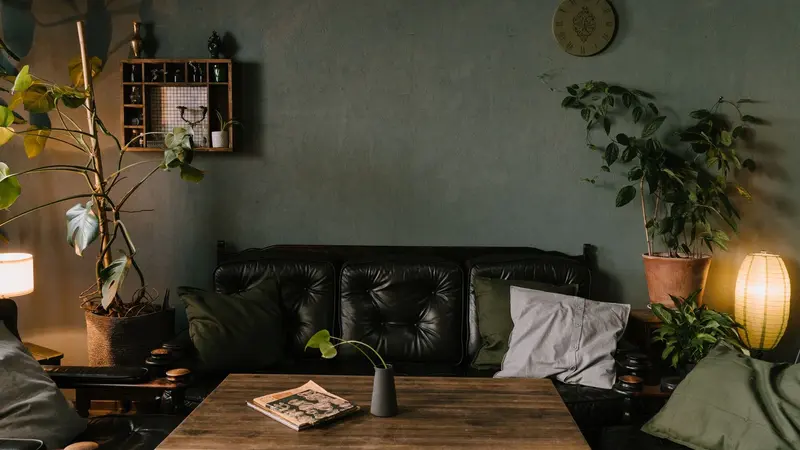
15 low light plants that grow away from the window
Houseplants for a north window, a dim hallway or a corner across the room: what low light means, where each plant fits and how to water it with less light.
Care guide
Snake plant care guide for light, water and soil
How to care for a snake plant indoors: the light it likes, how often to water, the right soil and pot, repotting, propagation and the problems to watch for.
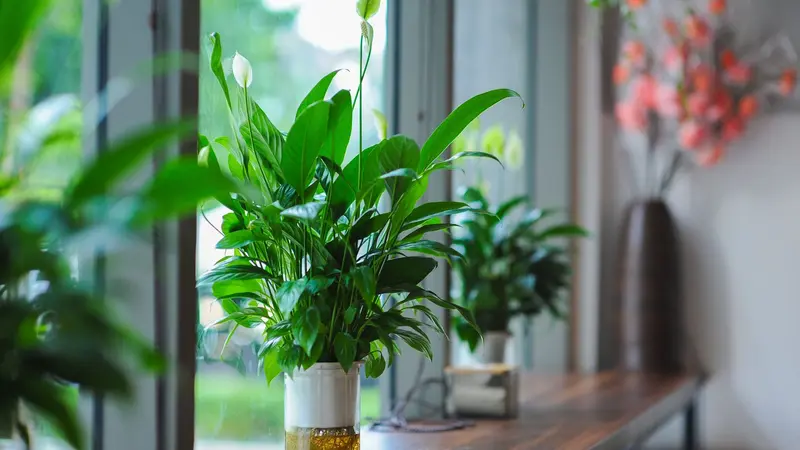
Care guide
Peace lily care guide for leaves, blooms and water
How to care for a peace lily indoors: the light that brings flowers, how to water without root rot, soil, feeding, repotting, dividing and fixing brown tips.
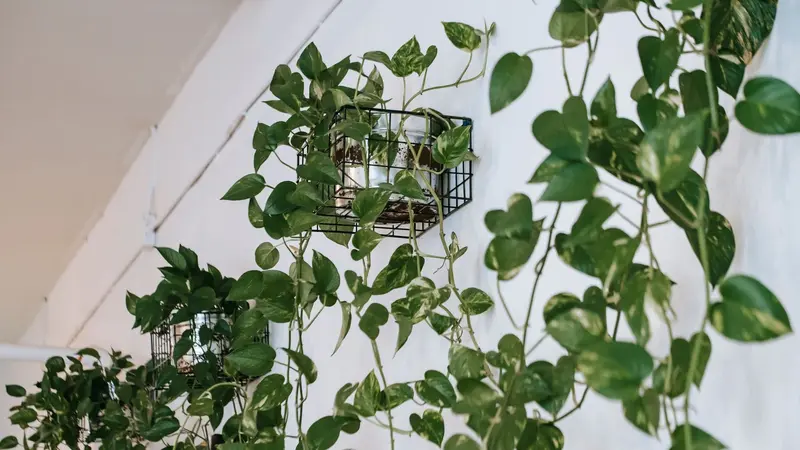
Care guide
Pothos plant care guide for long, full vines
How to care for a pothos plant indoors: light for bright leaves, watering, soil, feeding, pruning for fuller vines, rooting cuttings and fixing yellow leaves.
Free printables
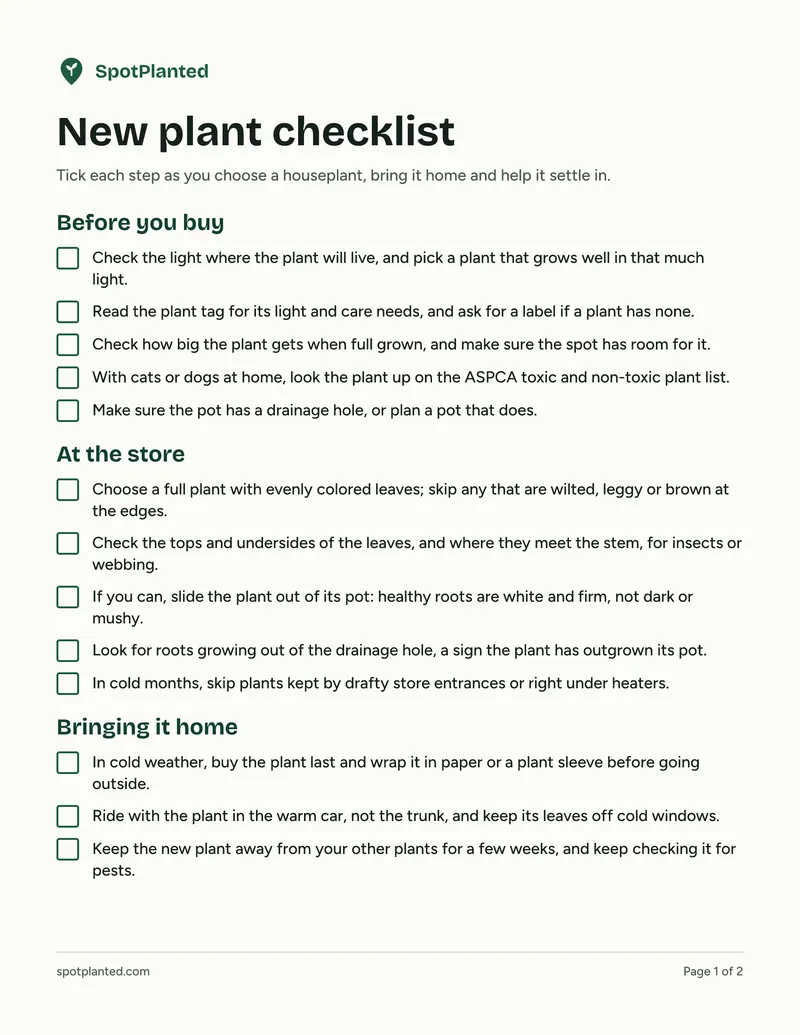
Free PDF
New Plant Checklist
A checklist for buying a houseplant and settling it in: the light, the store checks, the trip home and the first weeks.