Watering Schedule Maker
Pick your plants and the days you check the soil to get a weekly schedule with the right test for each plant.
Published
The best indoor plants for your home are the ones that suit the light in the spot, the space you have, your pets and how often you water. Answer the four questions below and the Plant Finder lists the houseplants that fit, from 23 common plants. With its opening answers, 7 plants fit.
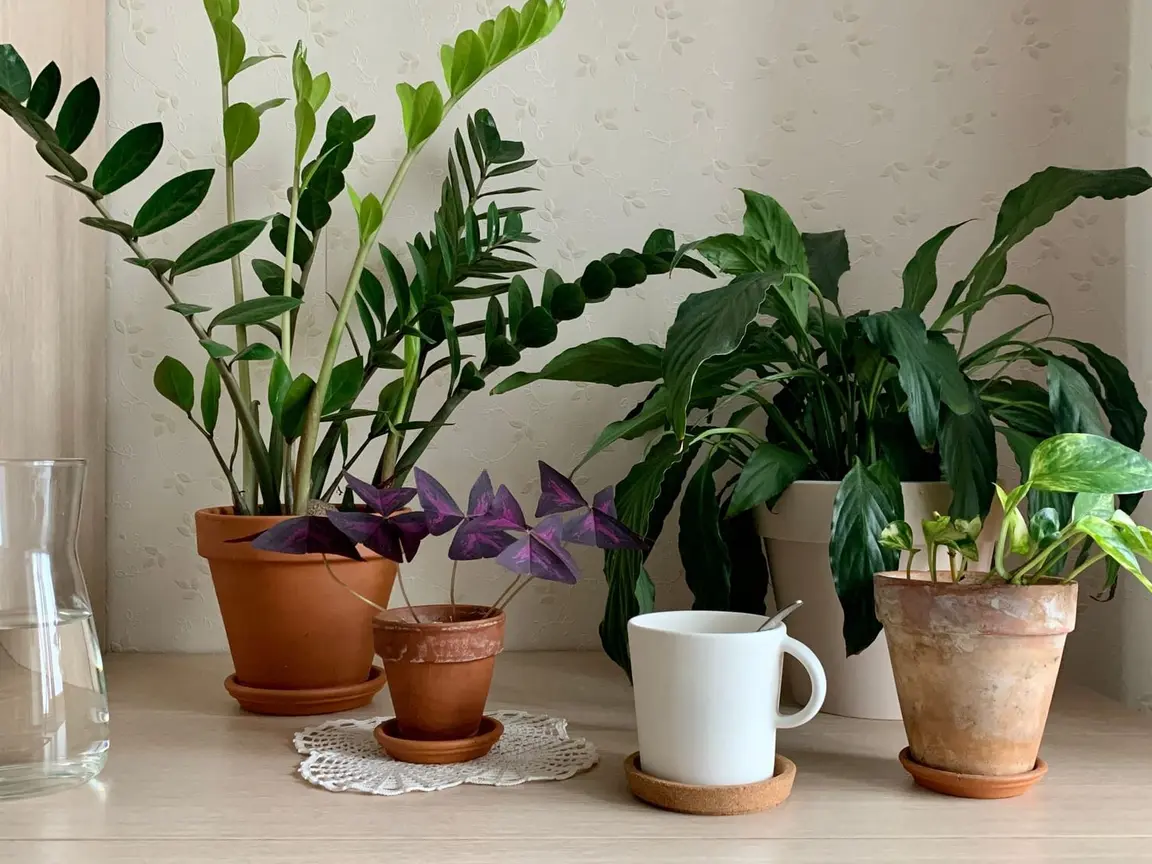
The list updates as soon as you change an answer. Each plant card shows its best light, its watering rule, its usual size indoors and its ASPCA status.
Light is the answer that matters most, because no amount of care makes up for too little of it. The light a spot gets depends on the window, how far away the plant sits and what blocks the view.
If you are torn between two answers, pick the lower one. A plant chosen for less light than it gets usually copes, while a plant that needs bright light fades in a dim corner.
Plants grow into their shape. Upright plants like a corn plant or a rubber plant need floor space and height, compact plants sit happily on a desk or a shelf, and vines like pothos look best where their stems can trail from a hanging planter or the top of a bookcase.
Each card lists the plant's usual size indoors, so you can check it against the space before you buy. Floor plants start small in the store and fill a corner over a few years.
When you choose cats, dogs or both, the finder shows only plants the ASPCA lists as non-toxic to them. 10 of the 23 plants in the finder are on the list as non-toxic to both cats and dogs.
String of pearls and ZZ plant aren't on the ASPCA list at all, so the finder leaves them out whenever pets are part of the answer. A plant that isn't listed isn't proof of anything either way.
Non-toxic plants still aren't snacks. Place any plant where a curious pet can't chew it, and call your vet if a pet eats part of a plant and seems unwell.
Every plant in the finder follows one of three watering rules. Choose the watering answer that matches your real week, not your best week.
The table lists each plant with its best light, its watering rule and its ASPCA status.
| Plant | Best light | Watering | Pets |
|---|---|---|---|
| African violet | Bright, indirect light | Keep the soil evenly moist, never soggy | ASPCA list: non-toxic to cats and dogs |
| Aloe vera | Some direct sun | Let the soil dry out before watering | ASPCA list: toxic to cats and dogs |
| Baby rubber plant | Bright, indirect light | Let the soil dry out before watering | ASPCA list: non-toxic to cats and dogs |
| Boston fern | Bright, indirect light | Keep the soil evenly moist, never soggy | ASPCA list: non-toxic to cats and dogs |
| Cast iron plant | Bright, indirect light | Water when the top inch of soil is dry | ASPCA list: non-toxic to cats and dogs |
| Chinese evergreen | Medium light | Water when the top inch of soil is dry | ASPCA list: toxic to cats and dogs |
| Corn plant | Bright, indirect light | Water when the top inch of soil is dry | ASPCA list: toxic to cats and dogs |
| English ivy | Bright, indirect light | Water when the top inch of soil is dry | ASPCA list: toxic to cats and dogs |
| Golden pothos | Bright, indirect light | Let the soil dry out before watering | ASPCA list: toxic to cats and dogs |
| Heartleaf philodendron | Bright, indirect light | Keep the soil evenly moist, never soggy | ASPCA list: toxic to cats and dogs |
| Jade plant | Some direct sun | Let the soil dry out before watering | ASPCA list: toxic to cats and dogs |
| Monstera | Bright, indirect light | Water when the top inch of soil is dry | ASPCA list: toxic to cats and dogs |
| Parlor palm | Bright, indirect light | Keep the soil evenly moist, never soggy | ASPCA list: non-toxic to cats and dogs |
| Peace lily | Bright, indirect light | Keep the soil evenly moist, never soggy | ASPCA list: toxic to cats and dogs |
| Ponytail palm | Some direct sun | Let the soil dry out before watering | ASPCA list: non-toxic to cats and dogs |
| Prayer plant | Bright, indirect light | Keep the soil evenly moist, never soggy | ASPCA list: non-toxic to cats and dogs |
| Rubber plant | Bright, indirect light | Water when the top inch of soil is dry | ASPCA list: toxic to cats and dogs (listed by genus) |
| Snake plant | Bright, indirect light | Let the soil dry out before watering | ASPCA list: toxic to cats and dogs |
| Spider plant | Bright, indirect light | Water when the top inch of soil is dry | ASPCA list: non-toxic to cats and dogs |
| String of pearls | Bright, indirect light | Let the soil dry out before watering | Not on the ASPCA plant list |
| Wax plant | Bright, indirect light | Let the soil dry out before watering | ASPCA list: non-toxic to cats and dogs |
| Zebra haworthia | Bright, indirect light | Let the soil dry out before watering | ASPCA list: non-toxic to cats and dogs |
| ZZ plant | Bright, indirect light | Let the soil dry out before watering | Not on the ASPCA plant list |
The finder keeps a plant only when it grows in the light you chose, fits the spot, follows a watering rule your answer can keep up with and, with pets at home, is on the ASPCA list as non-toxic. Plants whose best light is the light you chose come first, then the rest in order of name.
The plant details come from university extension plant pages and the ASPCA plant list. Everything runs in your browser, so your answers never leave the page.
If nothing fits, change one answer at a time. A brighter spot or a different watering answer opens up the most plants.
Take the new plant checklist when you shop. It covers what to check at the store, how to bring the plant home and how to help it settle in.
At home, the plant care cards keep each plant's light, water and pet notes on a small card you can tuck into its pot.
The free plant tools work together: find the plant, size its pot, then plan when to check the soil.
It keeps the plants that grow in the light you choose, fit the spot, suit how often you water and, if pets live with you, appear as non-toxic on the ASPCA plant list. Plants whose best light matches yours come first.
A spot that gets no direct sun, such as a few steps back from a north-facing window or a corner across the room from a window. Plants survive there, but they grow slowly.
When you pick pets, the finder only shows plants the ASPCA lists as non-toxic to cats and dogs. Non-toxic doesn't mean a pet can eat it freely: a pet that chews a lot of any plant can still get an upset stomach. Call your vet or the ASPCA Animal Poison Control Center if you are worried.
It doesn't fit one of your answers. Try a different spot or watering answer, or move the plant closer to a window for more light.
Pin it to a board so it's there when you need it.
Save to Pinterest(opens in a new tab)Pick your plants and the days you check the soil to get a weekly schedule with the right test for each plant.
Type the current pot's width and tick the signs you see to get the next pot size for repotting.