Snake plant care guide for light, water and soil

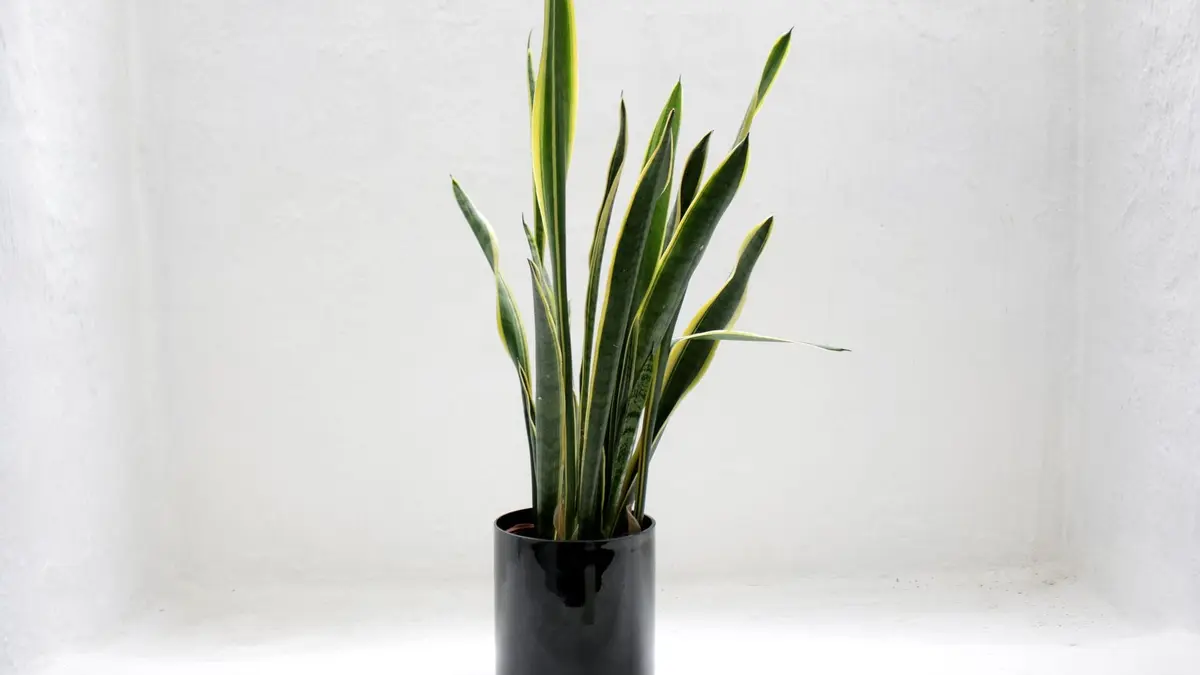
To care for a snake plant, give it bright, indirect light, plant it in a well-drained mix in a pot with a drainage hole, and water only when the soil has dried out. In the growing season that is usually every 2 to 4 weeks, and every 4 to 6 weeks in fall and winter.
It needs no extra humidity, likes a warm room and seldom needs a bigger pot, like the other low maintenance plants for busy people. Too much water is the one thing it can’t forgive.
Snake plant care at a glance
| Need | What a snake plant wants |
|---|---|
| Light | Bright, indirect light is best; low light is fine but slows growth |
| Water | Only when the soil is dry; much less in fall and winter |
| Soil | A well-drained mix, such as a cactus mix or a mix with perlite or grit |
| Pot | A drainage hole, and a heavy or wide pot for tall plants |
| Temperature | A warm room; it tolerates about 50°F |
| Humidity | Normal room air; no extra humidity needed |
| Pets | Toxic to cats and dogs (ASPCA) |
Light
Bright, indirect light suits a snake plant best: near a sunny window but out of the hot afternoon sun, which can scorch the leaves. In that light it grows faster and keeps its strongest color.
It also puts up with low light, which is why it is a favorite among low light plants for dim rooms and hallways. In low light it grows slowly, uses less water and shows paler bands on its leaves.
The more light a snake plant gets, the more often it needs water. Keep that in mind when you move it to a brighter spot.
Watering
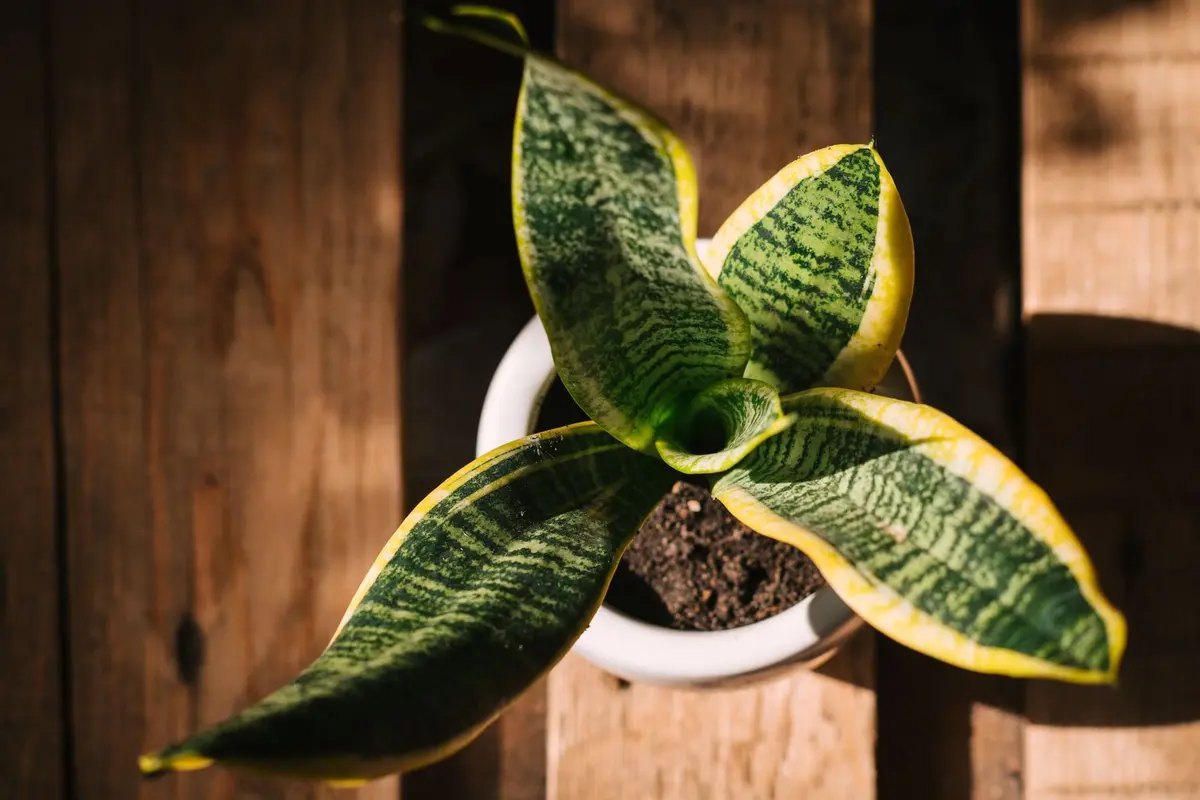
Water a snake plant only when the soil has dried out between waterings. Overwatering is the main reason snake plants fail, while a missed watering does little harm.
In spring and summer, water thoroughly, until water runs out of the drainage hole, then let the soil dry before the next drink. For most homes that comes to every 2 to 4 weeks, but light and warmth change it, so feel the soil first.
In fall and winter, water much less, about every 4 to 6 weeks. Give just enough to keep the leaves from shriveling.
Pour the water onto the soil, not into the center of the leaves. Water sitting in the middle of the plant can lead to rot.
The watering schedule maker sets days to check the soil for a snake plant and the rest of your plants.
Soil and pot
Plant a snake plant in a well-drained mix, such as a cactus potting mix or a regular mix with perlite or grit added. The roots rot in soil that stays wet, so drainage matters more than anything else.
Use a pot with a drainage hole. Tall snake plants are top-heavy and can tip over when the soil is dry, so a heavy clay or ceramic pot, or one a little wider than usual, keeps them upright.
Temperature and humidity
A snake plant likes a warm room and handles dry indoor air without trouble. It tolerates cool rooms down to about 50°F, so keep it away from cold drafts and winter windows.
It doesn’t need misting, pebble trays or a humidifier. That makes it one of the easiest plants for a heated home in winter.
Feeding
Feed a snake plant only while it is growing, in spring and summer. Stop in fall and winter, when it rests and uses little.
A snake plant grows at a steady, modest pace, and it doesn’t need much. Follow the label of the houseplant fertilizer you use, and skip a feeding rather than overdo it.
Repotting and dividing
Snake plants seldom need repotting and don’t mind a snug pot. Repot with fresh potting mix about every 5 years, or sooner if the roots crowd the pot so tightly that they push on its sides.
When you repot, you will often find offsets, small new plants growing beside the main one. That is the moment to divide the plant and pot the pieces on their own.
The pot size calculator gives the next pot size for the plant’s current pot.
How to propagate a snake plant
Division is the easiest way to make more snake plants. Leaf cuttings work too, but they take longer.
By division
- Slide the plant out of its pot and find the offsets, the small plants growing from the roots beside the main plant.
- Pull or cut each offset away with some of its roots attached.
- Pot each piece in its own pot of fresh, well-drained mix, and water it lightly.
By leaf cuttings
- Cut a healthy leaf into sections 3 to 4 inches long.
- Notch the top of each section, so you know which end is up.
- Push each section, bottom end down, about an inch or two into moist rooting mix or perlite.
- Keep the cuttings warm in bright, indirect light, with a clear plastic bag over them to hold in humidity.
- Roots form in a few weeks, and new shoots appear at the base in about two months. Then move the new plants to regular potting mix.
Leaf cuttings from a snake plant with yellow leaf edges, such as ‘Laurentii’, grow into plants without the yellow edges. Divide those plants instead to keep the pattern.
Common snake plant problems
Mushy leaves and root rot
Soft, mushy leaves and a plant that yellows all over point to too much water. Let the soil dry, slide the plant out and look at the roots: firm roots recover, while dark, soft roots are rotting.
Brown leaf tips
Brown tips come from hot, dry air, uneven watering, insects or a buildup of salts in the soil. Start with your watering, the easiest one to change.
Leaves falling over
Tall leaves can flop when the soil is very dry or the plant is too heavy for its pot. Water it, and move it to a heavier or wider pot if it keeps tipping.
Pests
Few pests bother a snake plant. Check the leaves now and then for mealybugs and spider mites, and wipe them off as soon as you see them.
Snake plant varieties
Snake plants come in many forms, from tall plants to small rosettes. Here are some of the common ones.
- ‘Laurentii’ has yellow to golden bands along its leaf edges.
- ‘Hahnii’, the bird’s nest snake plant, is a dwarf rosette only 4 to 8 inches tall, small enough for a desk.
- ‘Golden Hahnii’ is a dwarf rosette with broad golden leaf edges.
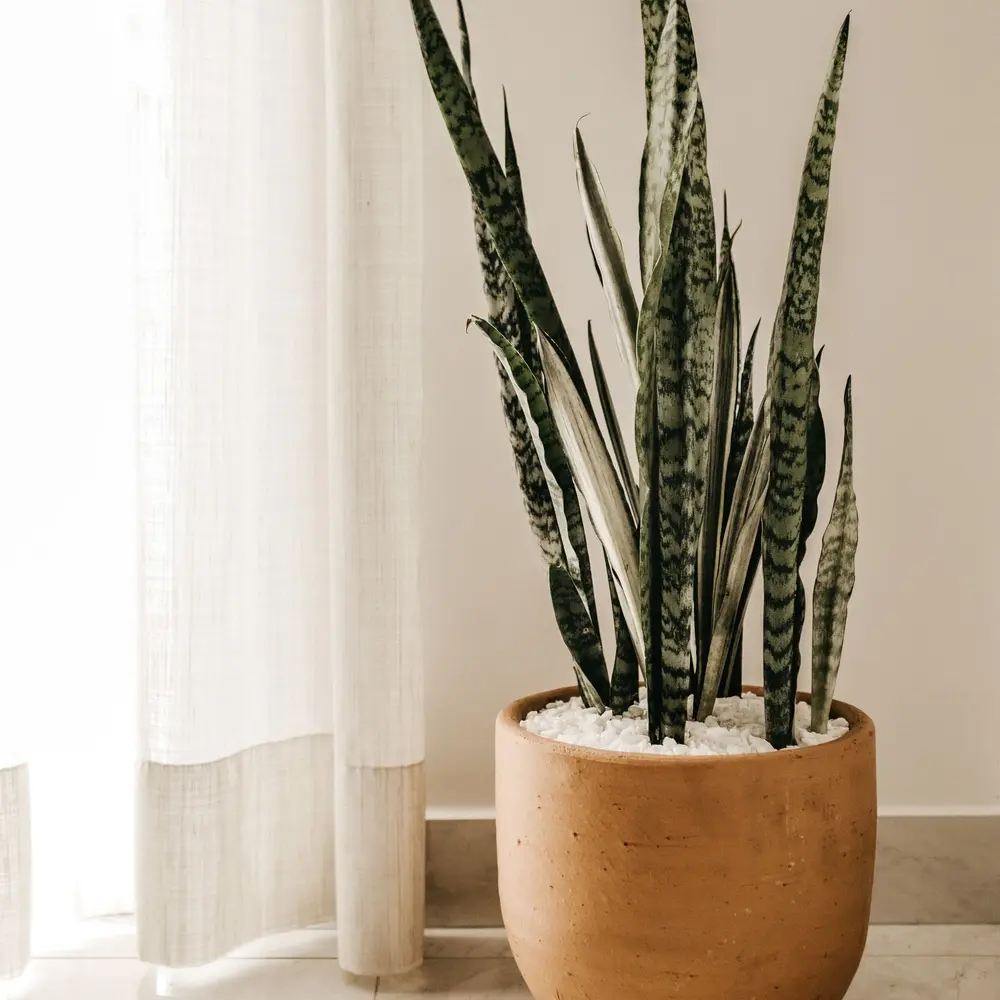
- ‘Moonshine’ has silvery green leaves.
- ‘Bantel’s Sensation’ has narrow leaves with white vertical stripes.
The species itself can grow leaves up to 4 feet long, though indoors it often stays near 2 feet tall. Its botanical name changed from Sansevieria trifasciata to Dracaena trifasciata, so you may see either on a plant tag.
Snake plants and pets
The ASPCA lists the snake plant as toxic to cats and dogs. Chewing it can cause nausea, vomiting and diarrhea.
Keep the plant out of reach of pets, and call your vet or the ASPCA Animal Poison Control Center if a pet eats part of it. For plants the ASPCA lists as non-toxic, use the plant finder with your pets selected.
Snake plant care checklist
- Bright, indirect light, or low light if that is what you have.
- Water only when the soil is dry: every 2 to 4 weeks in spring and summer, every 4 to 6 weeks in fall and winter.
- A well-drained mix in a pot with a drainage hole.
- A warm room; no extra humidity.
- Feed in spring and summer only.
- Repot about every 5 years, and divide the offsets.
- Keep it away from pets.
Keep these notes next to the plant with the plant care cards, which give the snake plant and other common houseplants a card of their own.
Frequently asked questions
How often should I water a snake plant?
Only when the soil has dried out. That is usually every few weeks in spring and summer and much less often in fall and winter. Check the soil before you water instead of watering on a fixed day.
Can a snake plant live in low light?
Yes. It grows best in bright, indirect light, but it puts up with low light. It grows more slowly there and needs water less often.
Why are my snake plant's leaves mushy?
Mushy, soggy leaves are a sign of too much water. Let the soil dry out, check the roots, and water less often from now on.
Is a snake plant safe for cats and dogs?
No. The ASPCA lists the snake plant as toxic to cats and dogs. Keep it out of reach, and call your vet if a pet chews it.

Save it for later
Pin it to a board so it's there when you need it.
Save to Pinterest(opens in a new tab)Keep reading
Care guide
Spider plant care guide for healthy leaves and babies
How to care for a spider plant indoors: light, watering, soil, feeding, repotting, rooting its babies and fixing the brown leaf tips it is known for.
Care guide
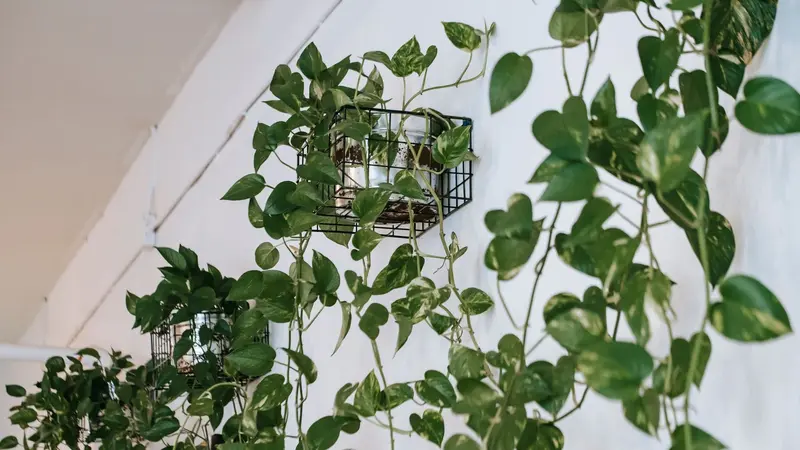
Pothos plant care guide for long, full vines
How to care for a pothos plant indoors: light for bright leaves, watering, soil, feeding, pruning for fuller vines, rooting cuttings and fixing yellow leaves.
Try a free tool
Watering Schedule Maker
Pick your plants and the days you check the soil to get a weekly schedule with the right test for each plant.