ZZ plant care guide for dim corners and dry spells

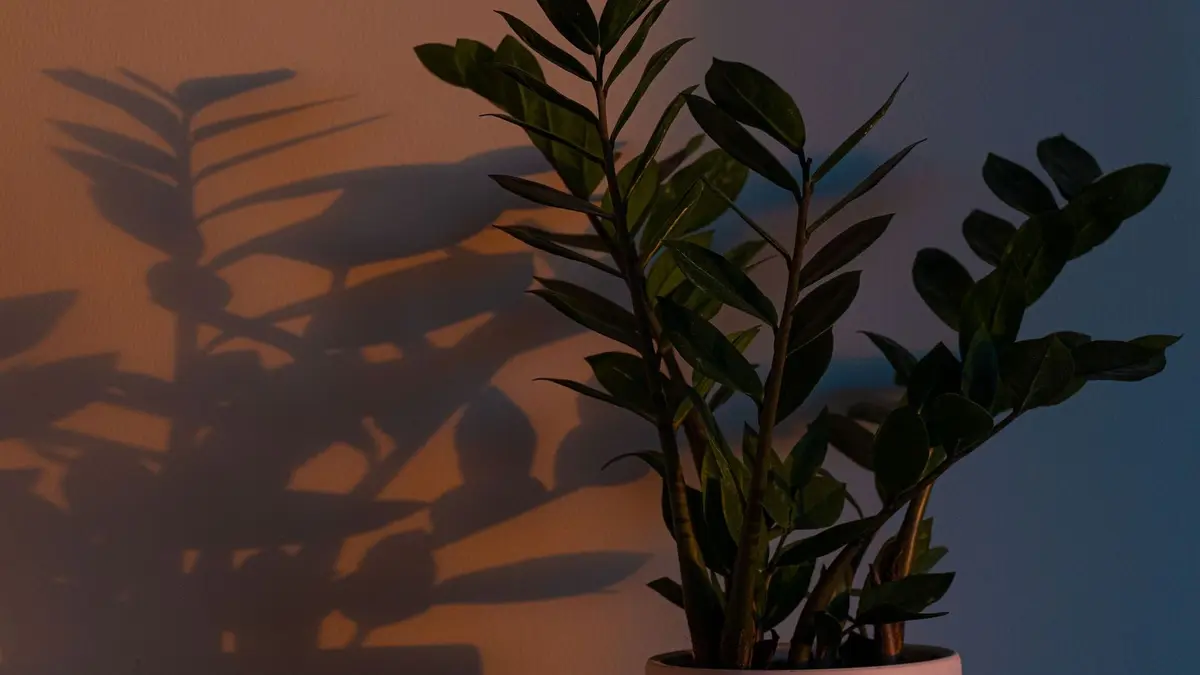
To care for a ZZ plant, give it bright, indirect light or a dim spot out of direct sun, plant it in a coarse, well-drained mix in a pot with a drainage hole, and water only after the mix has dried out completely. That usually means once or twice a month in spring and summer and about once a month in winter.
It stores water in thick rhizomes under the soil, so it forgives a missed watering, dry indoor air and a dark corner, which puts it near the top of the plants for dark rooms. The one thing it can’t take is soil that stays wet.
ZZ plant care at a glance
| Need | What a ZZ plant wants |
|---|---|
| Light | Bright, indirect light is best; low light is fine but slows growth; no direct sun |
| Water | Only after the mix has dried completely; about once a month in winter |
| Soil | A coarse, well-drained mix with perlite and sand |
| Pot | A drainage hole, and a pot that never sits in water |
| Temperature | About 68 to 75°F; keep it above 60°F |
| Humidity | Normal room air; no extra humidity needed |
| Feeding | Once or twice in the growing season |
| Pets | Not on the ASPCA plant list; treat it as unsafe |
Light
Bright, indirect light suits a ZZ plant best, because it speeds up a plant that grows very slowly. Keep it out of direct sun, which scalds the leaves, whitening and browning them, and can make them curl.
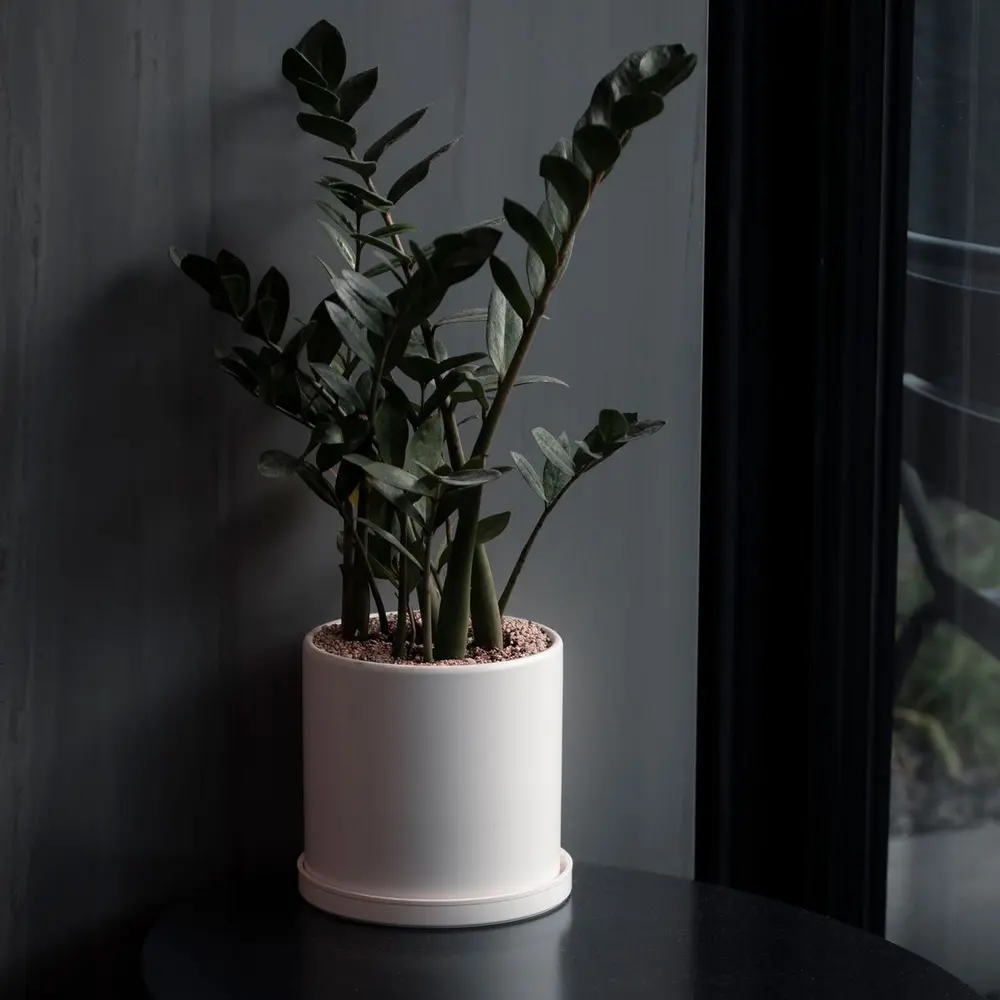
A ZZ plant also tolerates low light, and it does exceptionally well among low light plants. It handles dim rooms even better than a snake plant, and it can grow under fluorescent lights alone if they are on for several hours each day.
In a dim spot, expect very little new growth and much less watering. Move the plant closer to a window if you want it to grow, but stop short of the sunny patch on the sill.
Watch the stalks for a hint of too much sun. Unlike most plants, a ZZ plant that gets too much light bends away from the window instead of toward it.
Watering
Water a ZZ plant only after the potting mix has dried out completely. Its bulb-like rhizomes and thick, waxy leaves store water, so the plant is highly drought tolerant, and overwatering is about the only thing that kills one.
In spring and summer, that usually comes to once or twice a month. In fall and winter, when it isn’t actively growing, about once a month is enough.
When you water, let the pot drain completely before it goes back into a decorative pot or onto a saucer. Never leave it standing in water.
A forgotten watering does little harm. A ZZ plant can survive 3 to 4 months without water, so when in doubt, wait a few more days and check again.
The watering schedule maker sets days to check the mix for a ZZ plant and the rest of your plants.
Soil and pot
Plant a ZZ plant in a coarse, well-drained mix: about 50 percent peat moss or coir-based potting soil, 25 percent perlite and 25 percent sand. A mix like this dries out between waterings, which keeps the rhizomes from rotting.
Use a pot with a drainage hole. A ZZ plant can be treated much like a cactus or succulent, so the same thinking applies: fast drainage first, a pretty pot second.
A sturdy pot is worth it. As the plant ages, it adds stalks and rhizomes, and a plant left too long in one pot can push out and even crack its sides.
Temperature and humidity
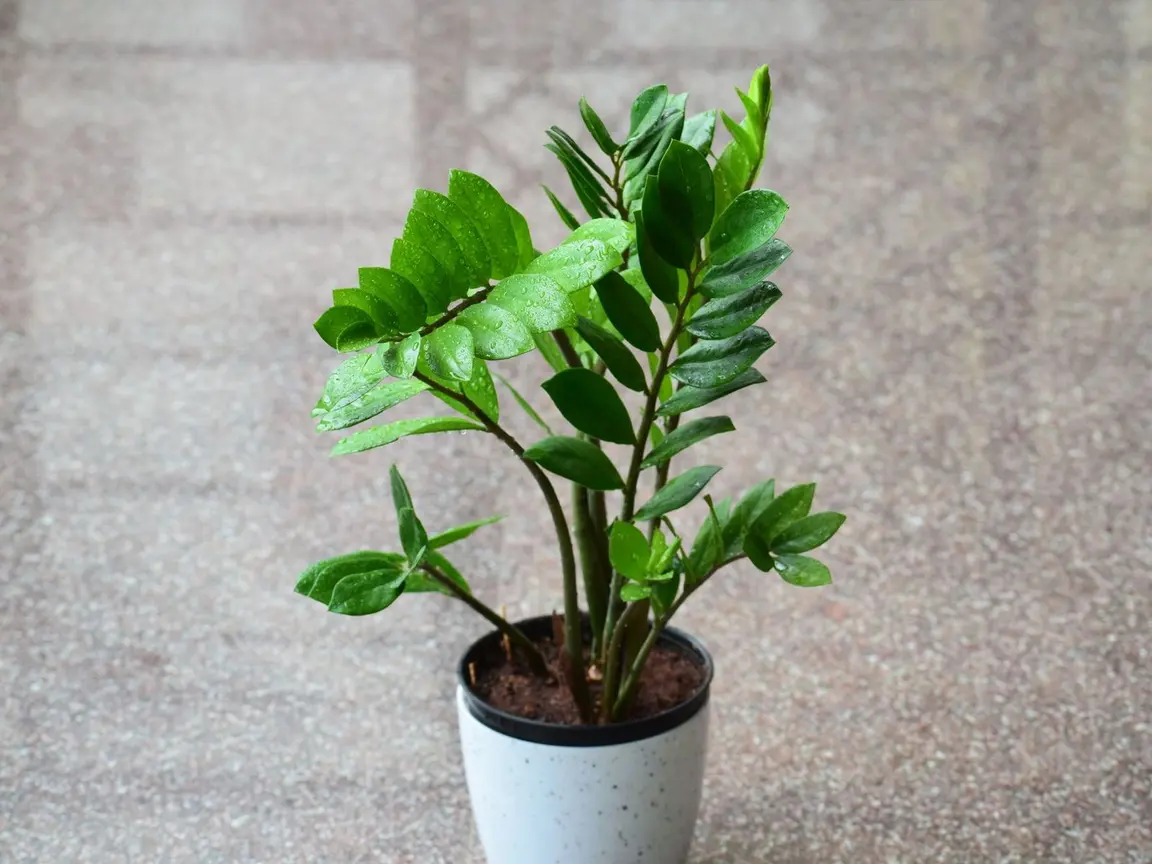
A ZZ plant does best at about 68 to 75°F, and it grows faster in warmer rooms. It is sensitive to cold, so keep it above 60°F and away from cold drafts and winter windows.
If you set it outdoors for the summer, bring it back inside once the temperature falls below 60°F.
It comes from dry, open woodland, and it thrives in normal indoor humidity. It needs no misting, pebble tray or humidifier, which makes it easy to keep in a heated home.
Feeding
Feed a ZZ plant only once or twice during the growing season, with a balanced houseplant fertilizer. It is slow-growing and needs little.
Follow the label of the fertilizer you use, and skip winter feeding. When in doubt, feed less.
Repotting
A ZZ plant grows slowly and doesn’t need a new pot often. Move it up a size when the rhizomes fill the pot or the stalks start to push against its sides, which can crack a pot over time.
Choose a pot only a little bigger than the old one, with a drainage hole, and fill it with the same coarse mix. A larger pot gives the rhizomes room to multiply, and more rhizomes mean more stalks.
While the plant is out of its pot, look at the rhizomes. Rotting rhizomes are a sign the mix has stayed wet too long, so cut back on watering from then on.
The pot size calculator gives the next pot size from the pot the plant is in now.
How to propagate a ZZ plant
A ZZ plant grows new plants by division or from leaf cuttings. Division gives you a bigger plant sooner, while cuttings take months.
By division
- Slide the plant out of its pot and brush away some of the mix to see the rhizomes, the tuber-like storage organs the stalks grow from.
- Separate the rhizomes into pieces, each with at least one stalk attached.
- Pot each piece in its own pot of fresh, coarse, well-drained mix.
By leaf cuttings
- Remove a healthy leaflet from a stalk.
- Leave it out for a few hours so the cut end calluses over.
- Push the base part way into moist, soilless potting mix.
- Keep the mix moist and the cutting in indirect light.
- Be patient. A small rhizome forms at the base first, and indoors that can take up to 9 months; roots grow from the rhizome, and then a new stalk comes up.
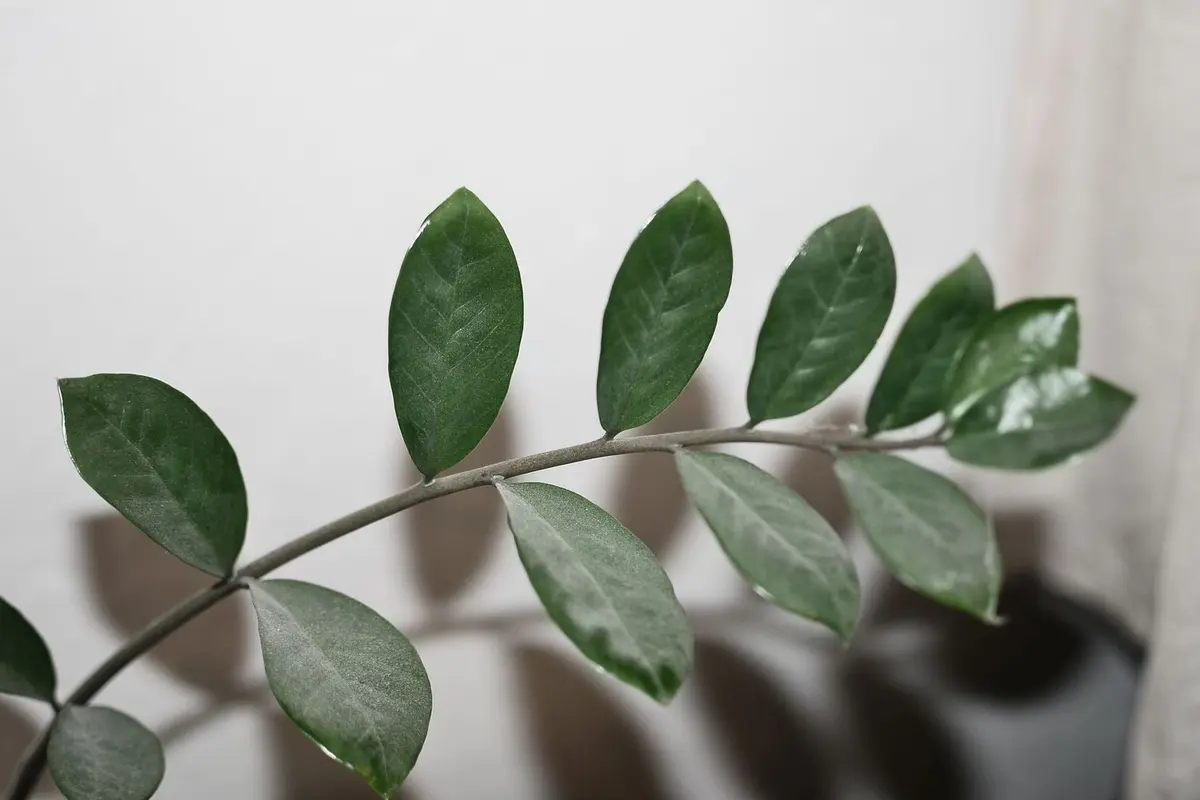
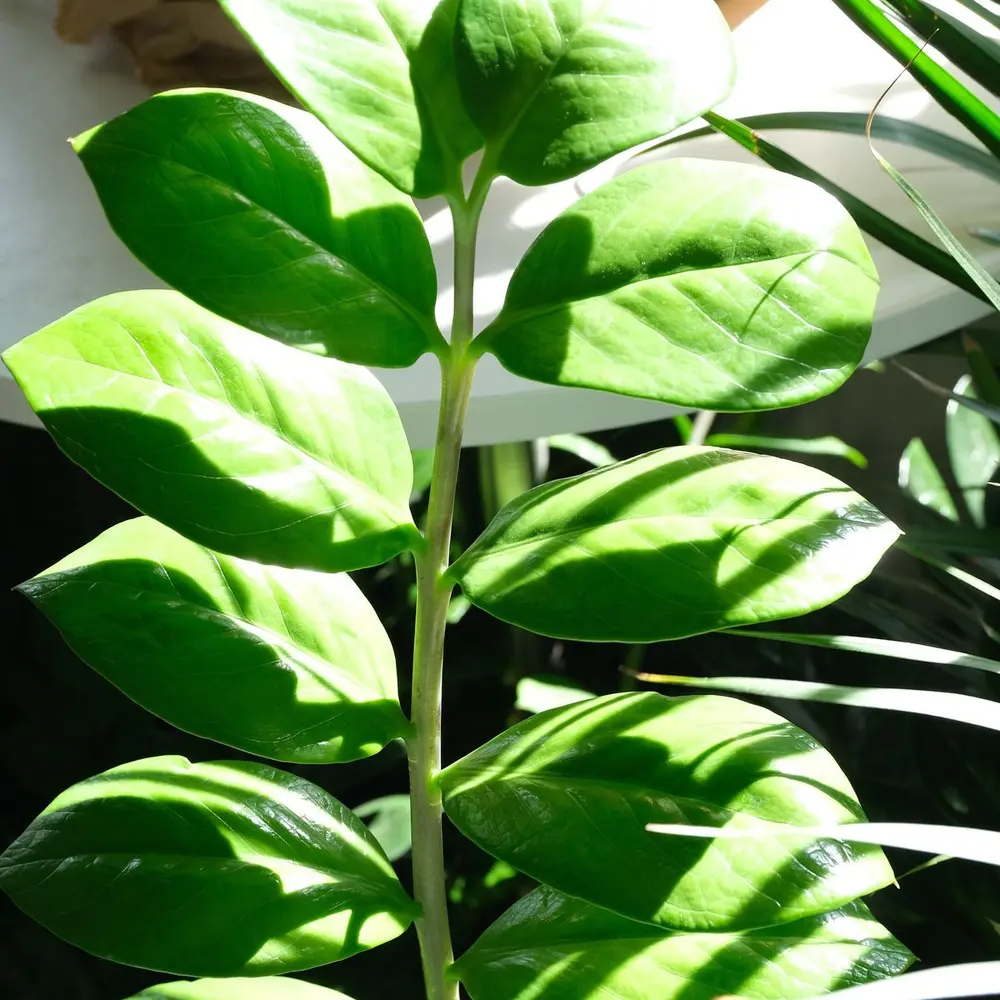
What looks like a stem on a ZZ plant is actually one whole leaf. Each stalk is the leaf’s thick stem, lined with 6 to 8 pairs of glossy leaflets, and it rises straight from a rhizome under the soil.
Common ZZ plant problems
Yellow leaves
Too much water is the usual cause, and the signs are yellow leaves together with rotting rhizomes. Let the mix dry out completely, check the rhizomes, and water less often from now on.
Too much direct light can also turn leaves yellow before they brown. If the soil isn’t wet, move the plant to a spot out of the sun.
Brown or scorched leaves
Brown, scalded patches mean the plant is in direct sun. Leaves can whiten first and curl, then turn yellow and brown; move the plant to bright, indirect light.
Rotting rhizomes and root rot
Overwatering leads to root rot, which starts in the rhizomes and roots under the soil. Slide the plant out of its pot and look: rotting rhizomes mean the mix has stayed wet too long.
If you find rot, repot the plant in fresh, coarse mix, and water less often from then on.
Black spots on the stalks
Black spots on the stalks are normal for a ZZ plant. They are part of how the plant looks and need no fix.
Slow growth
A ZZ plant grows slowly even in the best conditions. More bright, indirect light and a warmer room speed it up a little.
Pests
Few insects or diseases bother a ZZ plant. Watch for scale insects, and remove them as soon as you see them.
ZZ plant varieties
The plain species has glossy, dark green leaves and can reach 4 feet tall. A few varieties change the color or the size.
- ‘Raven’ has new leaves that come up green and mature to almost black. It reaches about 2.5 feet.
- ‘Chameleon’ has new leaves that emerge golden-yellow and turn dark green as they mature.
- ‘Zenzi’ is a dwarf form only 10 to 12 inches tall, with slightly smaller dark green leaves, sized for a desk.
- Variegated ZZ plants have glossy green leaves marked with cream or white.
- ‘Lucky’ has wide green leaves with rounded tips.
The ZZ plant is an aroid, a relative of the peace lily and the Chinese evergreen, though its leaves look more like a cycad’s. Its other common name is Zanzibar gem.
Where to put a ZZ plant
A small ZZ plant fits a desk or a tabletop, which makes it one of the easiest desk plants for an office lit by fluorescent lights. A large one belongs on the floor, even in a corner where the light is low.
It also suits rooms other plants struggle in. In a bathroom without a window, it can grow under a light that is on for several hours each day.
Wherever it goes, keep it out of direct sun. In winter, an east window may be gentle enough.
ZZ plants and pets
The ZZ plant isn’t on the ASPCA plant list, so treat it as unsafe for pets and children.
Place it where pets and small children can’t reach it, and call your vet or the ASPCA Animal Poison Control Center if a pet chews it. For homes with pets, the cat safe plants list and the plant finder suggest plants the ASPCA lists as non-toxic.
ZZ plant care checklist
- Bright, indirect light, or low light if that is what you have; no direct sun.
- Water only when the mix is completely dry: once or twice a month in spring and summer, about once a month in winter.
- A coarse, well-drained mix in a pot with a drainage hole, and never a saucer of standing water.
- A room around 68 to 75°F, never below 60°F; no extra humidity.
- Feed once or twice in the growing season only.
- Repot when the rhizomes fill the pot, and divide them to make more plants.
- Keep it away from pets and small children.
Keep these notes beside the plant with the plant care cards, which give the ZZ plant and other common houseplants a card of their own.
Frequently asked questions
How often should I water a ZZ plant?
Only after the potting mix has dried out completely. That is usually once or twice a month in spring and summer and about once a month in winter. Feel the mix first, since light and warmth change how fast it dries.
Why are my ZZ plant's leaves turning yellow?
Too much water is the most common cause, especially when the rhizomes under the soil are rotting. Too much direct light can also turn leaves yellow and then brown. Let the mix dry out, and move the plant away from direct sun.
Can a ZZ plant live in a room with no window?
It can grow under fluorescent lights alone if they are on for several hours each day. It grows slowly in dim light, and bright, indirect light speeds it up.
Why does my ZZ plant grow so slowly?
A ZZ plant grows slowly even in ideal conditions, so slow growth on its own is normal. More bright, indirect light and a warmer room speed it up a little.
Is a ZZ plant safe for cats and dogs?
The ZZ plant isn't on the ASPCA plant list, so treat it as unsafe for pets and children. Keep it out of reach, and call your vet if a pet chews it.

Save it for later
Pin it to a board so it's there when you need it.
Save to Pinterest(opens in a new tab)Keep reading
Care guide
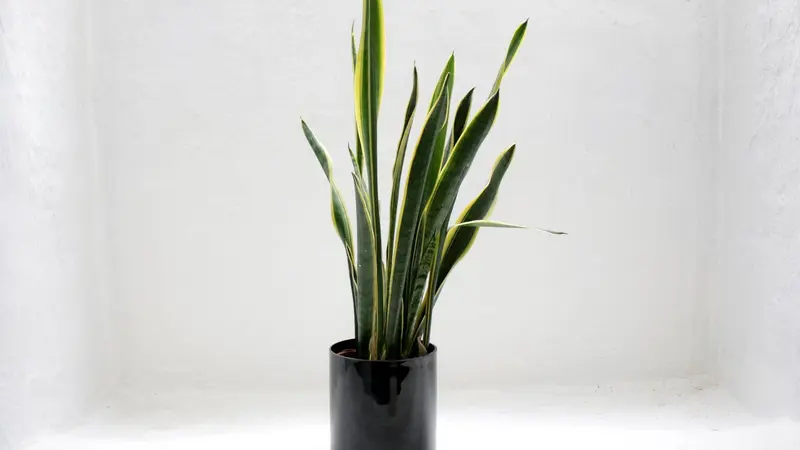
Snake plant care guide for light, water and soil
How to care for a snake plant indoors: the light it likes, how often to water, the right soil and pot, repotting, propagation and the problems to watch for.
Low lightPlant list
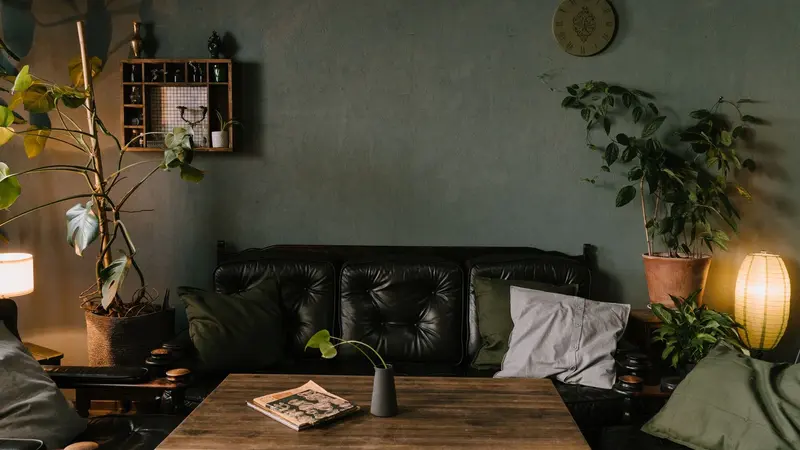
15 low light plants that grow away from the window
Houseplants for a north window, a dim hallway or a corner across the room: what low light means, where each plant fits and how to water it with less light.
Plant list
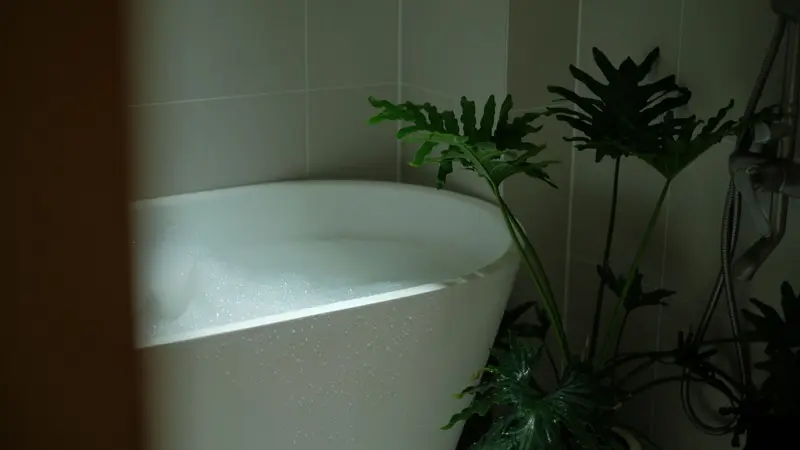
12 bathroom plants for no sunlight and steamy air
Plants for a bathroom with no window: how to light them with a grow light on a timer, and twelve houseplants that grow under lamp light and handle the humidity.
Plant list
12 desk plants that fit beside a laptop
Small plants for a desk by a window, under office lights or far from the glass, with how big each one gets and how to water it beside a laptop.
Try a free tool
Watering Schedule Maker
Pick your plants and the days you check the soil to get a weekly schedule with the right test for each plant.