12 desk plants that fit beside a laptop

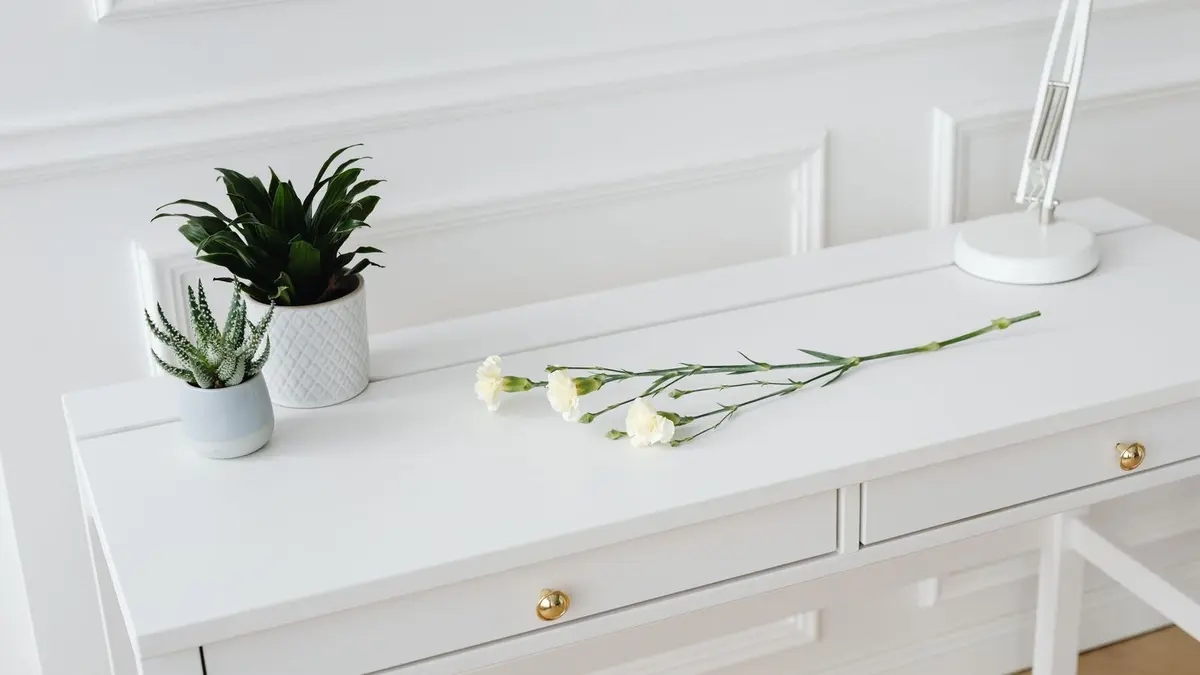
These desk plants stay small enough to sit beside a laptop or a monitor: ZZ plant, compact snake plant, golden pothos, heartleaf philodendron, peperomia, nerve plant, spider plant, prayer plant, African violet, Chinese money plant, zebra haworthia and jade plant.
The list runs from the desk farthest from a window to the one right beside it. The first four cope with a dim corner desk, the middle of the list suits a bright room or an office lit all day, and the last three want a window close by.
How to pick a plant for your desk’s light
Choose by the light that reaches the desk, not by the room. A spot within 4 feet of a large south, east or west window counts as high light. Even plants that tolerate low light usually get too little more than 10 feet from an average window.
Office lights help some plants and not others. Medium light plants are often found where fluorescent lights are on all day, such as an office building, and several foliage plants on this list grow under artificial light. Light in the average room away from windows isn’t bright enough for most flowering plants, though, even with the ceiling lights on.
Size matters as much as light on a desk. Pick a plant that stays compact or grows slowly, keep it to one side of your work area, and leave room to lift the pot without moving your laptop. If you’re shopping for your first plant, the new plant checklist walks you through the first weeks at home.
1. ZZ plant
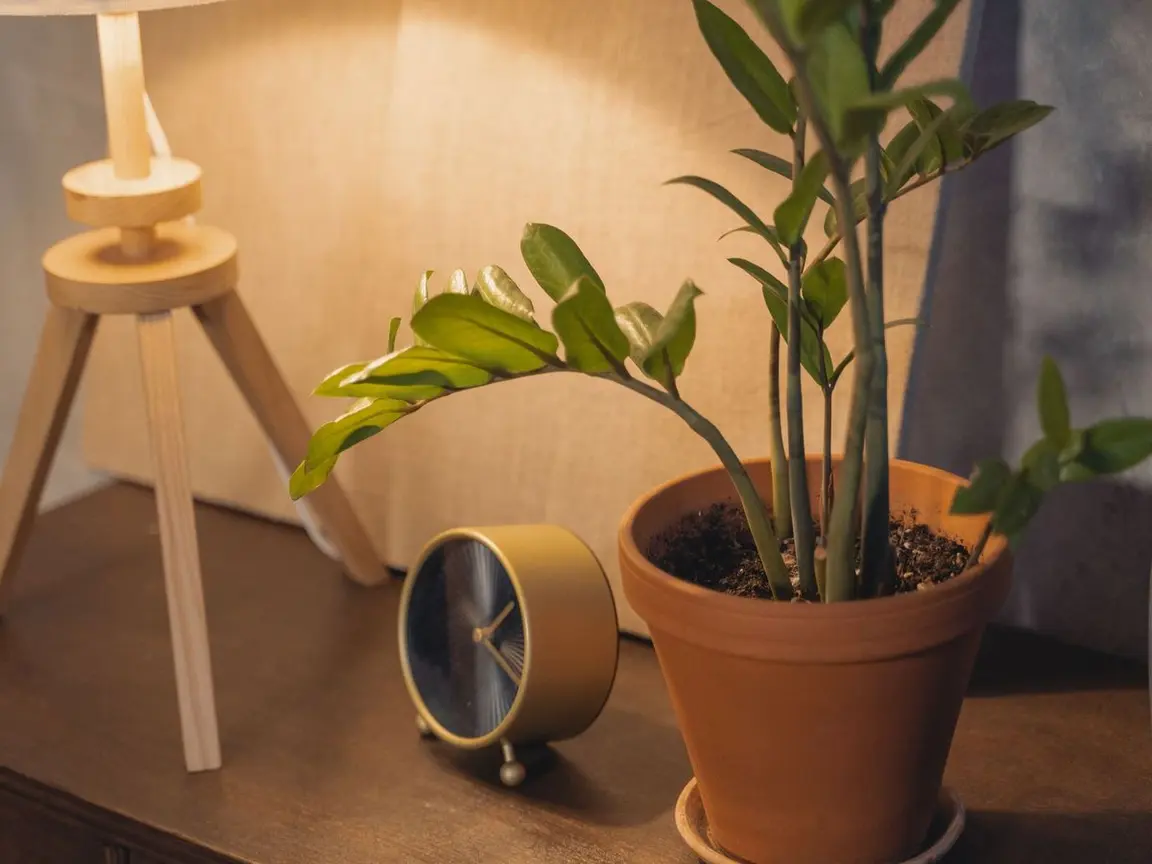
The ZZ plant is the desk plant for the spot the sun never reaches. It grows in very low light, even in areas with only fluorescent light, and it is easy to grow in darker rooms. Bright, indirect light speeds up its very slow growth, but direct sun can scald and brown the leaves.
That slow growth is what makes it a good desk plant. The species can send up leaves to 4 feet over time, so for a desk look for the dwarf ‘Zenzi’, which reaches only 10 to 12 inches, with slightly smaller dark green leaves.
Water only after the potting mix has dried completely, which can be weeks apart in a dim office. Let the pot drain fully before you set it back on its saucer or in a decorative pot, because a ZZ plant that sits in water rots.
The ZZ plant isn’t on the ASPCA plant list. Treat it as unsafe for pets and children and keep it out of reach. The ZZ plant care guide covers repotting and propagation.
2. Compact snake plant
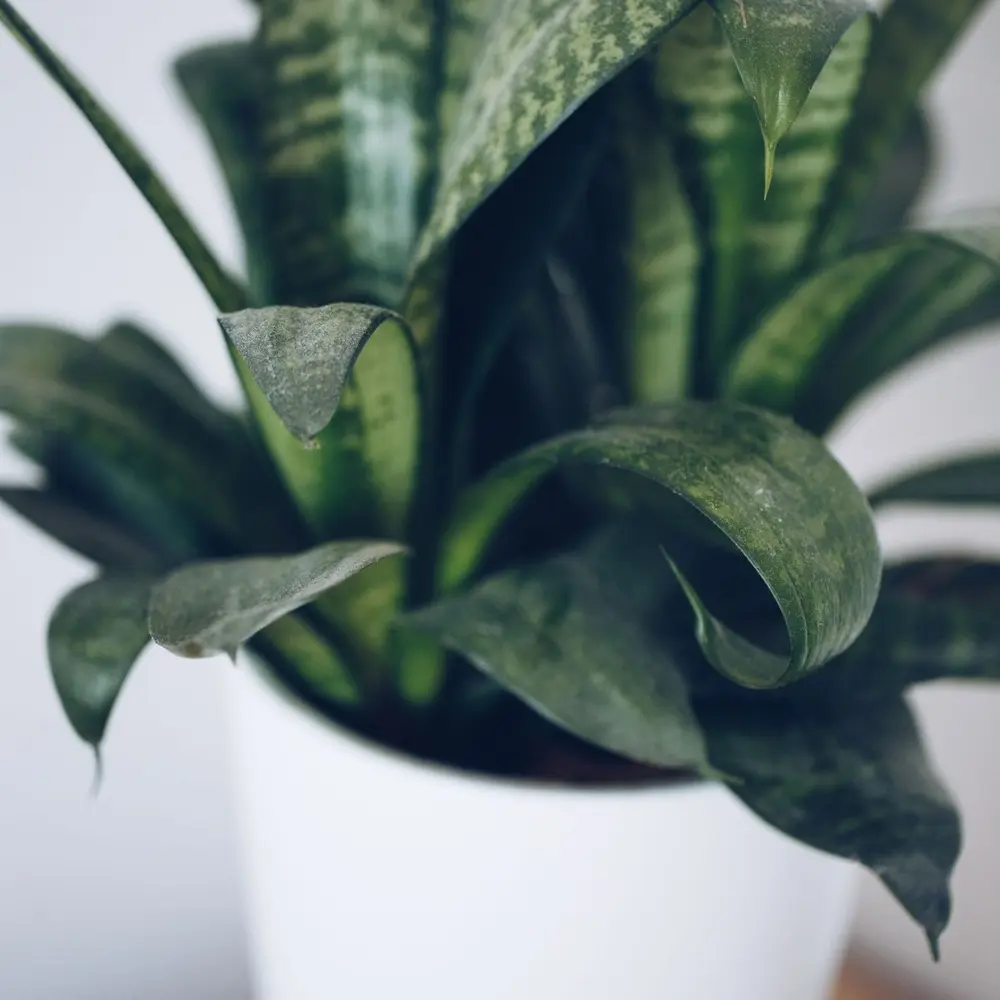
A full-size snake plant belongs on the floor, but its dwarf form fits a desk. ‘Hahnii’, the bird’s nest snake plant, grows only 4 to 8 inches tall, with its short leaves arranged in a low rosette instead of tall spears.
The snake plant tolerates very low light, so a compact one works on a desk across the room from the window. Its ideal light is bright and indirect, so a desk a little closer to the glass suits it even better. It also tolerates low humidity, which suits the dry air of an office in winter.
Overwatering is the main way to lose one. Let the soil dry between waterings in spring, summer and fall, and water even less in winter. A snake plant is prone to rotting when it is overwatered, so a pot with a drainage hole matters more than the pot’s looks.
The ASPCA lists the snake plant as toxic to cats and dogs. The snake plant care guide covers its soil, repotting and dividing.
3. Golden pothos
Golden pothos prefers bright, indirect light and survives for long periods in low light, which is why it does well on so many desks far from a window. The lower the light, the smaller its new leaves will be.
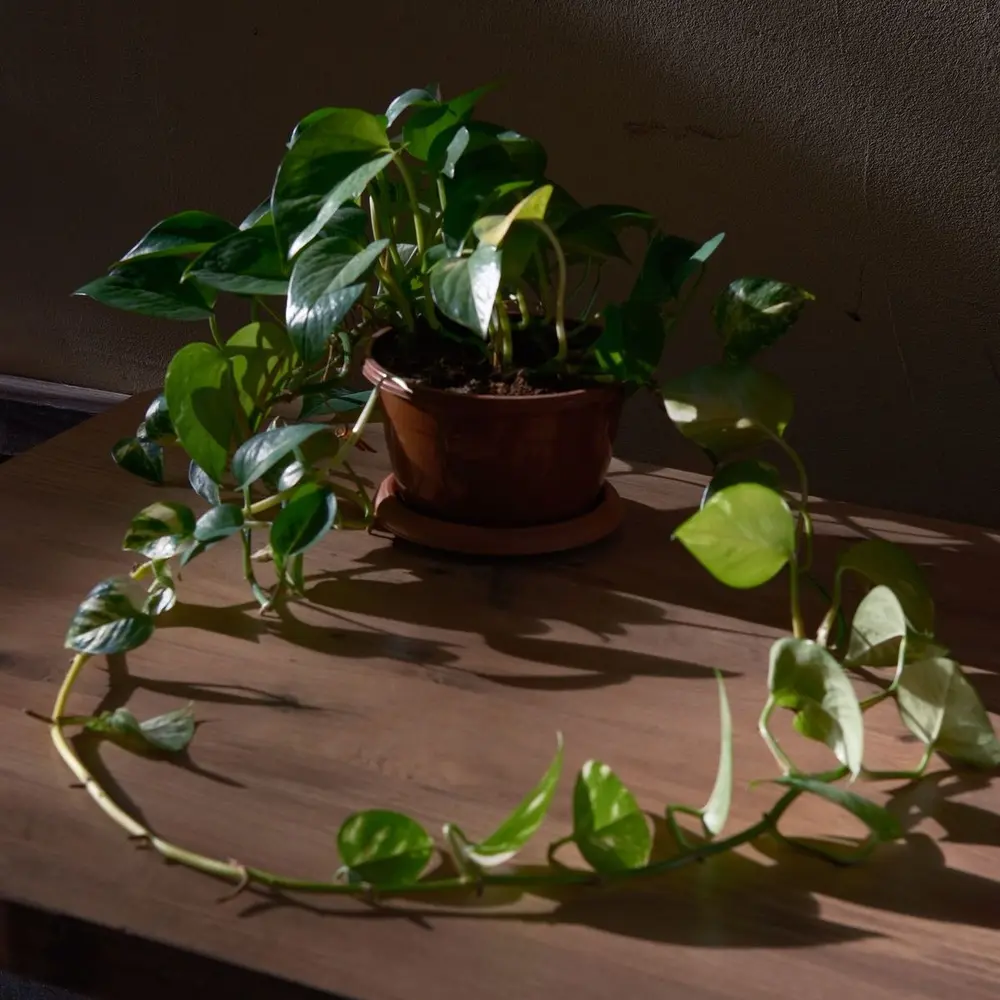
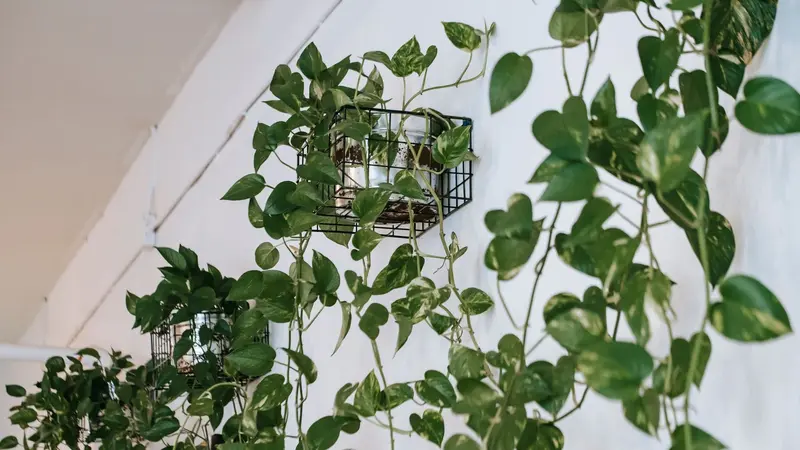
Its vines can grow 8 to 10 feet long indoors, so on a desk, a small pot of pothos becomes a trailing plant. Set it at the back corner of the desk or on a shelf above it and let the vines hang down the side, away from your keyboard and chair. Trim any vine that reaches the floor, and root the cuttings for a second desk.
Let the potting mix dry out between waterings, and water less often in fall and winter. Pothos tolerates the low humidity of most homes, so it copes with the dry air of a heated office.
The ASPCA lists golden pothos as toxic to cats and dogs. The pothos care guide explains pruning and rooting cuttings.
4. Heartleaf philodendron
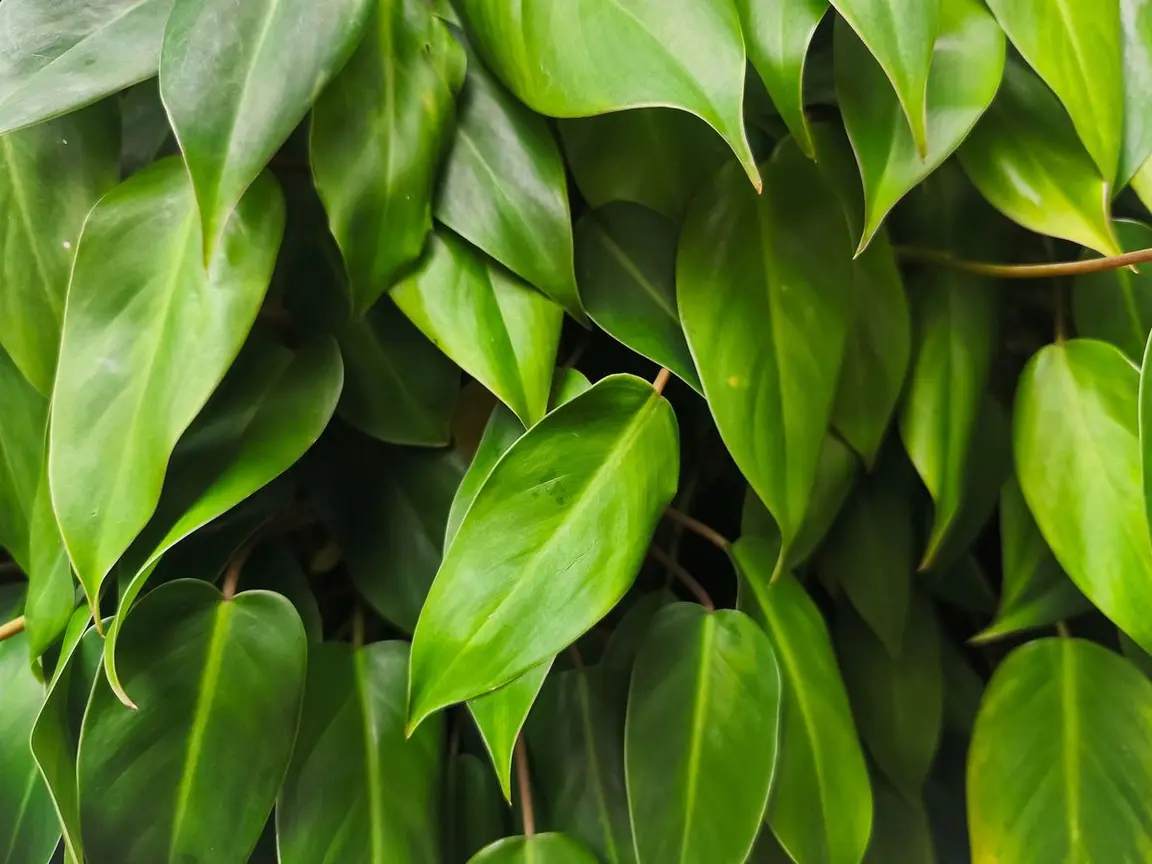
The heartleaf philodendron is quite tolerant of low light. It will grow well under artificial or existing room light, or near a north, east or west window, which makes it a good fit for a desk under office lights.
It looks a lot like pothos, with softer, heart-shaped leaves on thinner stems. Its twining stems trail from a pot or climb a support, so you can let it spill over the edge of a desk shelf or train it up a small stake to keep it narrow beside a monitor.
Its watering differs from pothos. Keep the soil evenly moist but not soggy, and slow down in winter. High humidity is ideal for its best growth, but it tolerates the low humidity of most homes.
The ASPCA lists the heartleaf philodendron as toxic to cats and dogs.
5. Peperomia
Peperomias are some of the best desk plants for a bright office. Most grow 8 to 15 inches tall and wide, and the baby rubber plant, with its thick, rounded leaves, is commonly used as a desktop plant.
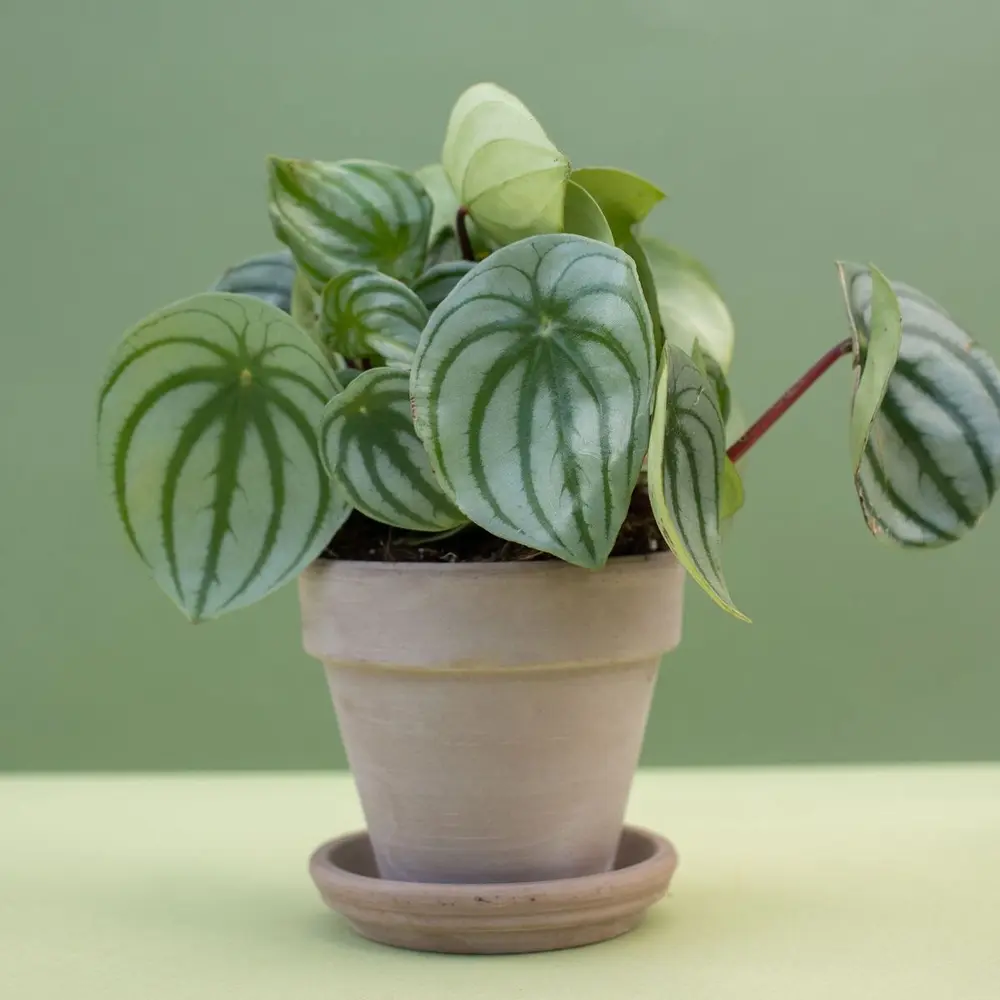
The baby rubber plant prefers bright, indirect light and tolerates low light for several months without stress, especially the plain green forms. The watermelon peperomia, with leaves striped like a watermelon rind, grows only 8 inches tall, and its compact size makes it a good plant for an office or a small space.
Let the soil dry out between waterings. An overwatered peperomia drops its leaves, and the baby rubber plant doesn’t like wet soil, very dry soil or a drafty spot. Water it at the sink and let it drain before you put it back on its saucer.
The ASPCA lists both the baby rubber plant and the watermelon peperomia as non-toxic to cats and dogs.
6. Nerve plant
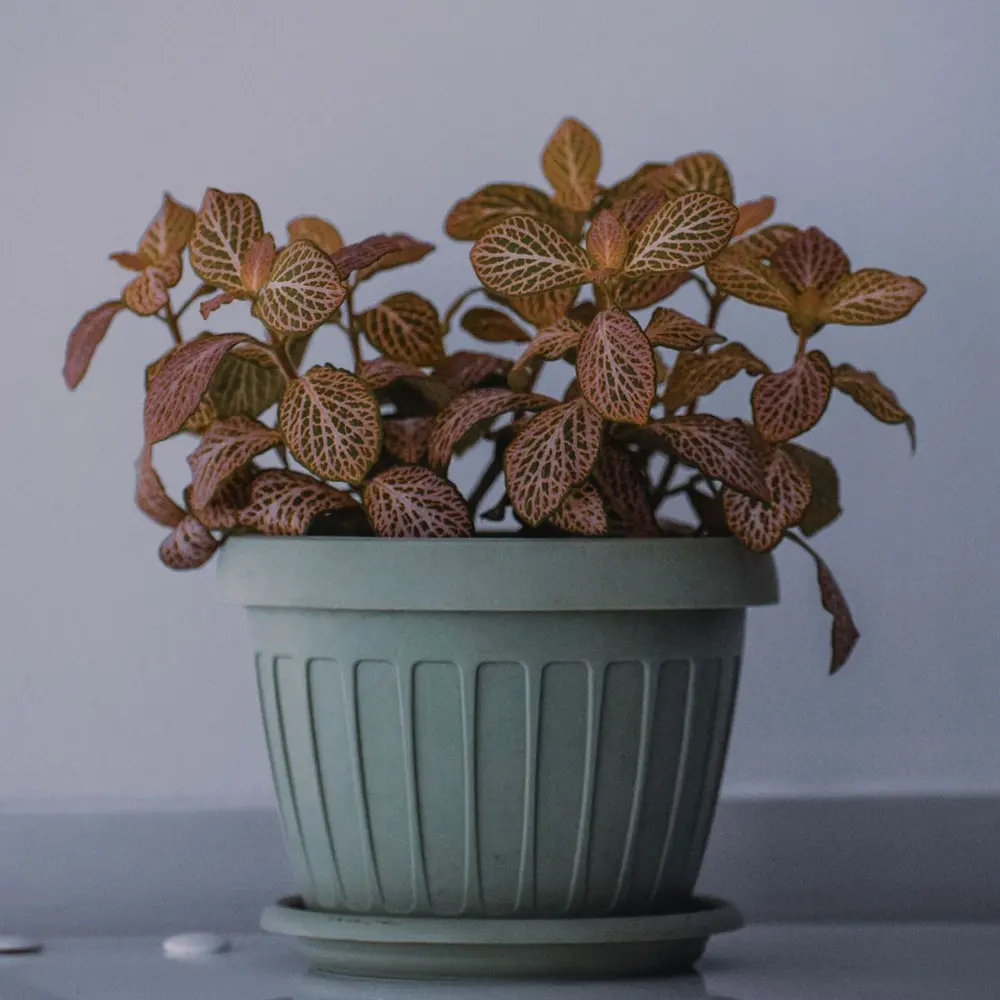
The nerve plant is small, colorful and made for a desk. It grows 3 to 8 inches tall, stays low and spreading, and is used as a desktop plant. Its leaves are veined in white, pink or red, which brightens a desk in a plain office.
It thrives in bright to medium light and performs well under fluorescent lights. Keep it out of direct sun, which scorches the leaves.
Its roots are shallow, so it can stay in a small pot for a long time. It is the most dramatic plant on this list when thirsty: it wilts flat when the soil gets too dry, then comes back after a drink. Overwatering causes root rot, and yellow leaves can mean too much water.
Dry air, drafts and direct sun make its leaves shrivel and fall, so keep it away from vents and fans. It likes medium humidity and average to cool room temperatures.
The ASPCA lists the nerve plant as non-toxic to cats and dogs.
7. Spider plant
The spider plant prefers medium light and tolerates deep shade, though direct sun is too much for it. It is one of the medium light plants you’ll often find in an office building with fluorescent lights on all day.
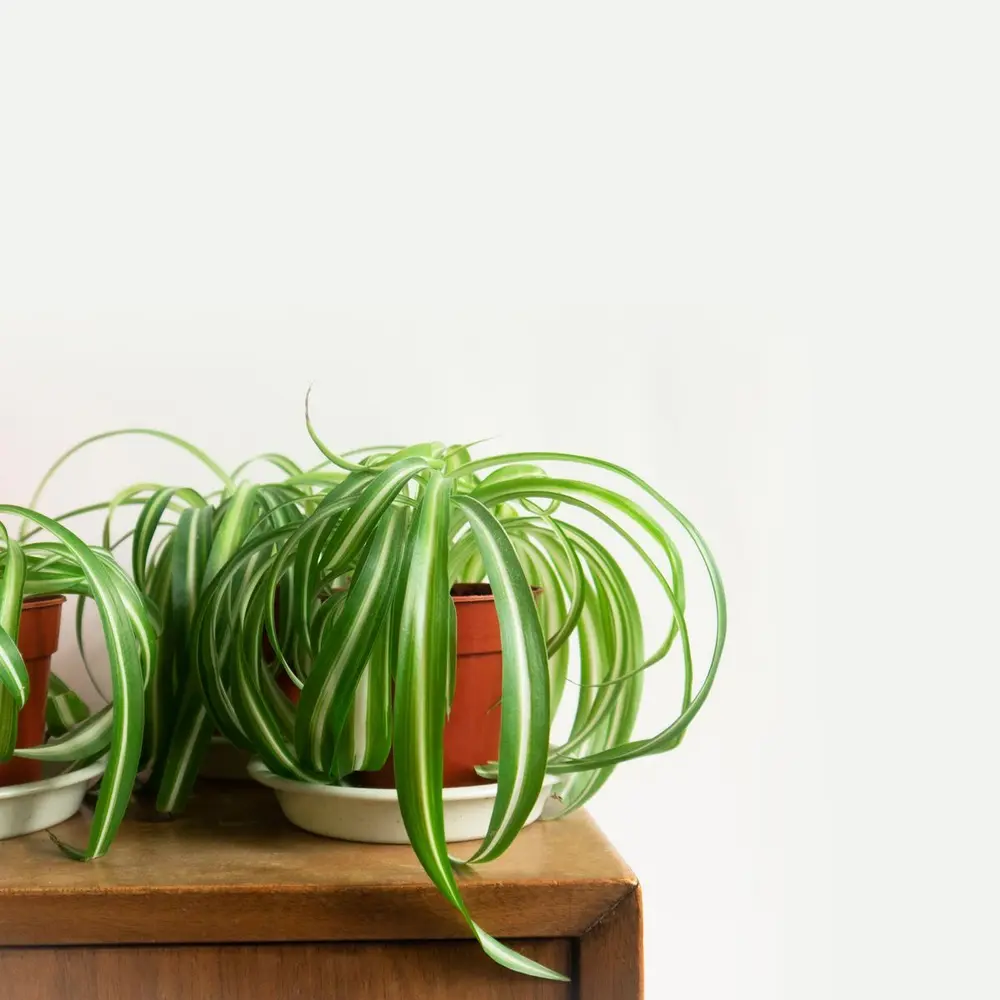
A standard plant grows 12 to 18 inches tall and sends out stems about 2 feet long that carry small plantlets. On a desk, set it at the edge so the stems can arch over the side. For a tighter fit, the dwarf ‘Mandaianum’ has leaves only 4 to 6 inches long.
Water when the top 1 to 2 inches of soil feel dry to the touch, and reduce watering in winter. It grows best in moist soil and medium humidity, but it tolerates drought and dry soil, so it forgives a missed watering.
The ASPCA lists the spider plant as non-toxic to cats and dogs. The spider plant care guide explains its plantlets and brown tips.
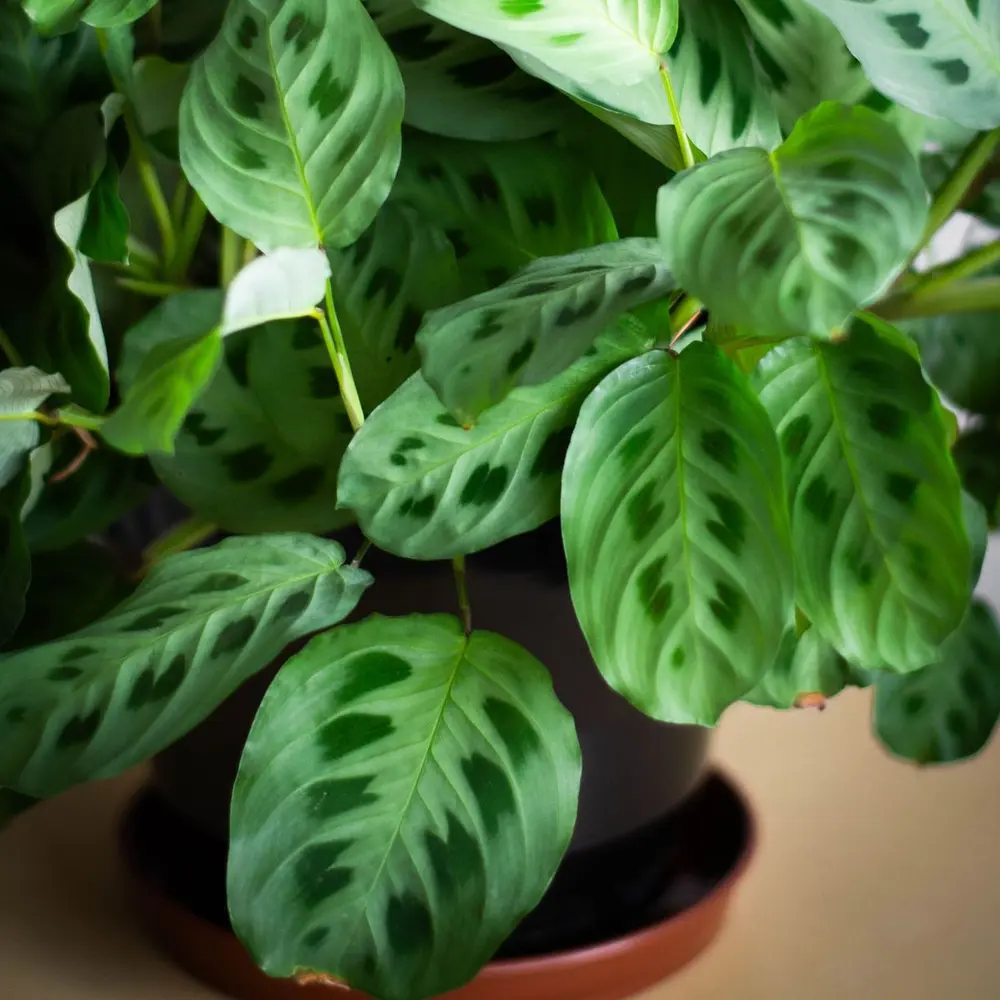
8. Prayer plant
The prayer plant gets its name from its leaves, which lie flat by day and fold upward at night like hands in prayer. Watching them move is part of the fun of keeping one on a desk you sit at every day.
It does best in bright, indirect light and tolerates low to medium light, but not direct sun, which bleaches the leaf colors. In low light the leaves lose some color. It is low growing and spreads sideways rather than up, so it suits a wide, shallow spot at the back of a desk.
Keep the soil evenly moist through spring and summer, then let it dry out more between waterings in winter. It needs high humidity and dislikes cold drafts, so set the pot in a tray of wet pebbles and keep it away from an air conditioning vent.
The ASPCA lists the prayer plant (maranta) as non-toxic to cats and dogs.
9. African violet
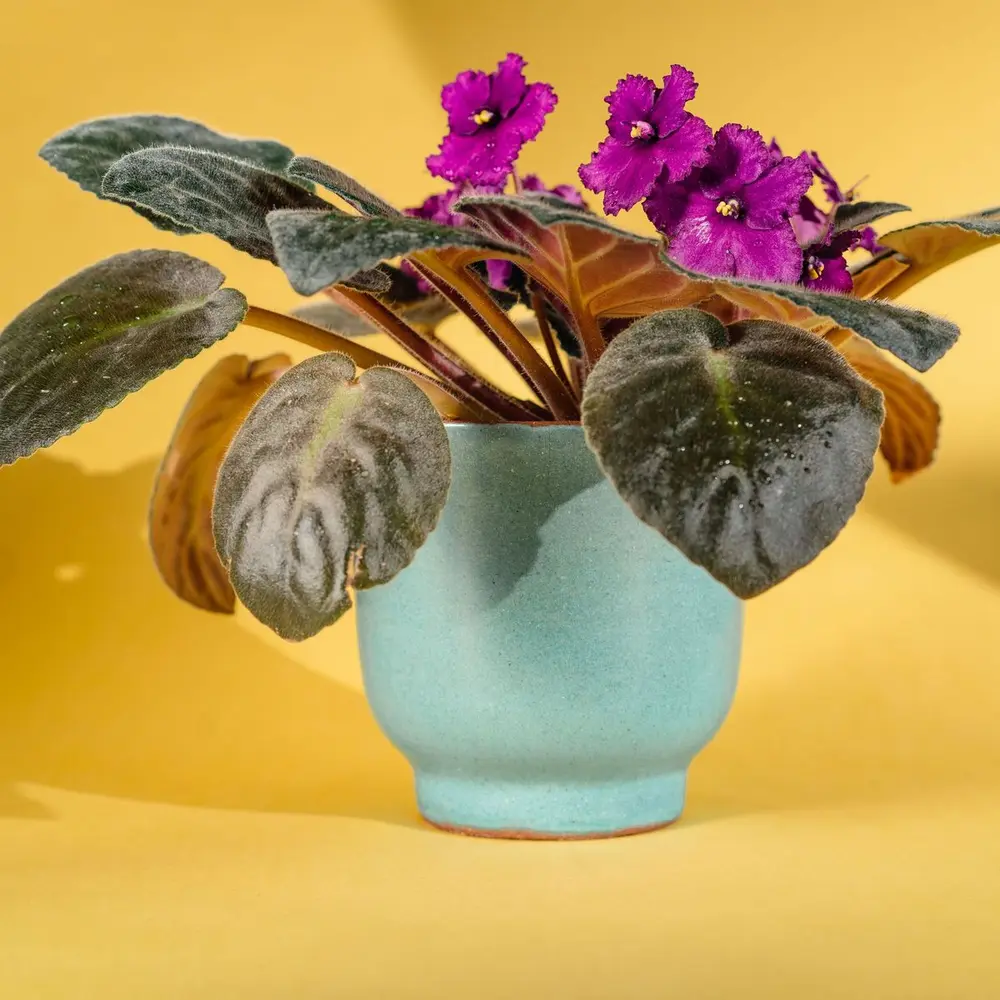
The African violet is the flowering desk plant, and it blooms all year under the right conditions. It wants a bright spot without direct afternoon sun, within 3 feet of a large south, east or west window, and a north window works well too.
Light decides whether it flowers. Lack of flowering is usually due to too little light, and a room lit only by ceiling lights is too dim for most flowering plants. African violets also grow well under artificial light, with fluorescent lamps giving the best results, so a fluorescent or LED grow light on the desk can stand in for the window.
A standard plant grows 8 to 16 inches wide, and miniature forms are available for a small desk. Keep the potting mix moist but not soggy, and never let it sit in water. Use room temperature water, because cold water on the leaves causes spots.
The ASPCA lists the African violet as non-toxic to cats and dogs.
10. Chinese money plant
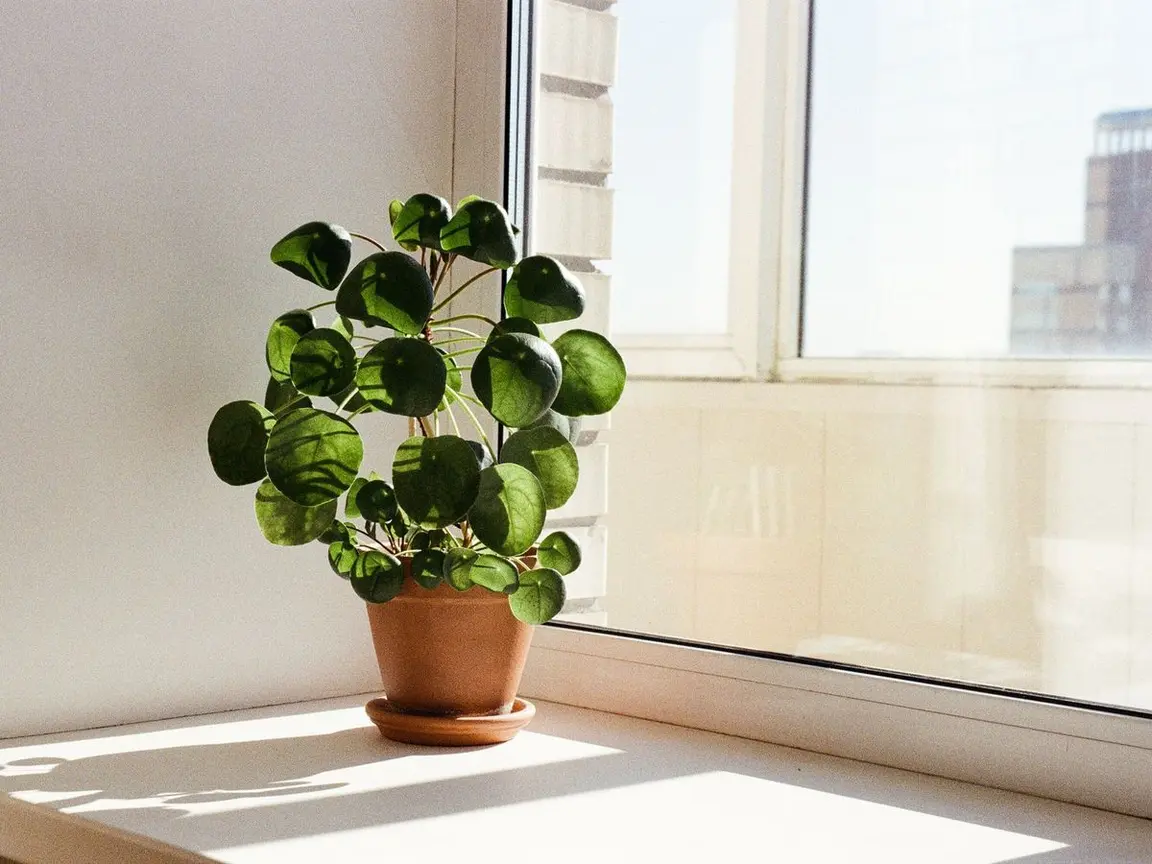
The Chinese money plant has round, flat leaves held on long stems that attach at the center of each leaf, so they look like small lily pads floating above the pot. It usually grows 8 to 12 inches tall and as wide, a tidy size for a desk.
It prefers bright, indirect sunlight, so give it a desk near a window. In too little light it grows leggy. Its leaves turn to face the window, so turn the pot regularly to keep it round.
Keep the potting mix moist but well drained, since overwatering leads to root rot. It thrives in moderate to high humidity and tolerates the average home’s, but keep it away from cold drafts and heat sources such as a heater under the desk.
The Chinese money plant isn’t on the ASPCA plant list. Treat it as unsafe for pets and children and keep it out of reach.
11. Zebra haworthia
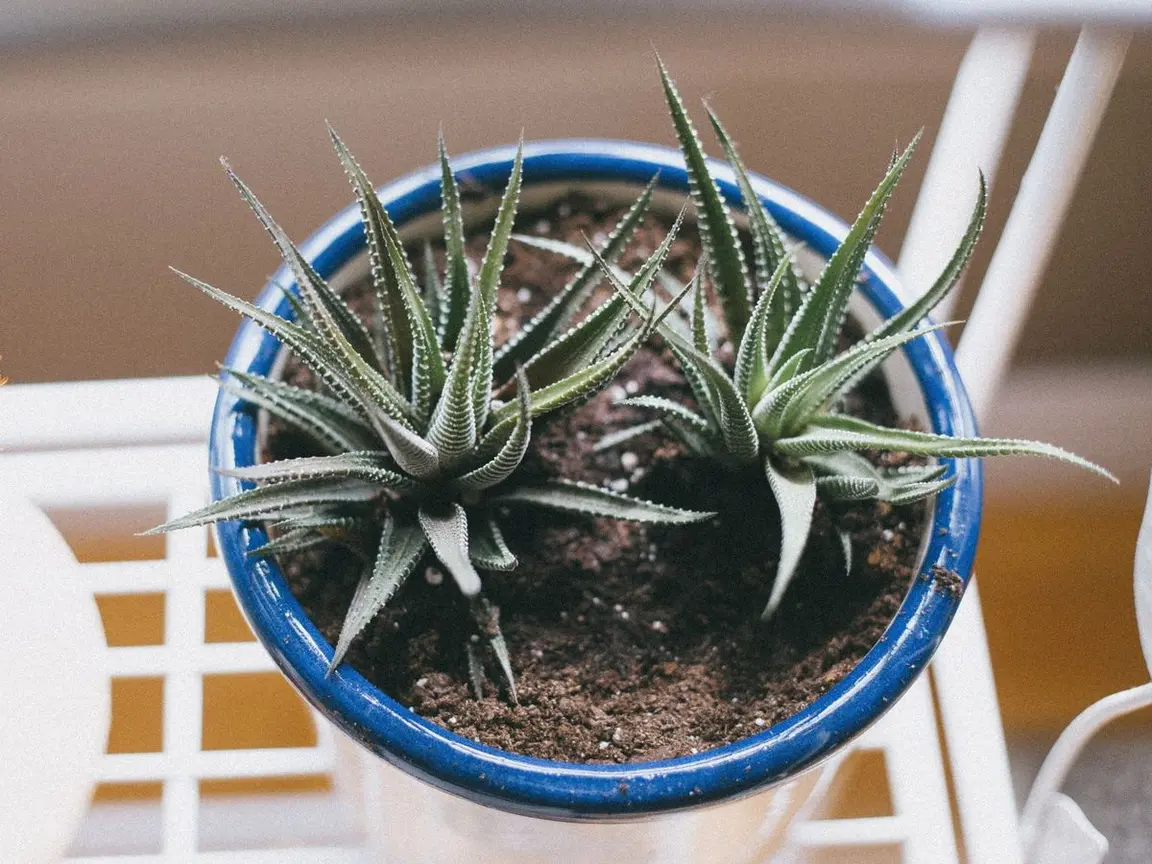
The zebra haworthia is a small succulent with stiff, dark green leaves striped in raised white bands. It grows only 4 to 6 inches tall and as wide, and it grows slowly, so it stays desk sized for years.
It prefers bright, indirect light and is somewhat tolerant of low light, which makes it the succulent for a desk near a window but not in it. Fading stripes mean it needs more light, while leaves that turn deep red or white and dry mean too much sun.
Plant it in cactus or succulent mix and let the soil dry out completely between waterings. Excess water causes root rot, and soggy soil invites leaf spot. The humidity of most homes is fine, but avoid sudden temperature changes and cold drafts.
The ASPCA lists the zebra haworthia as non-toxic to cats and dogs.
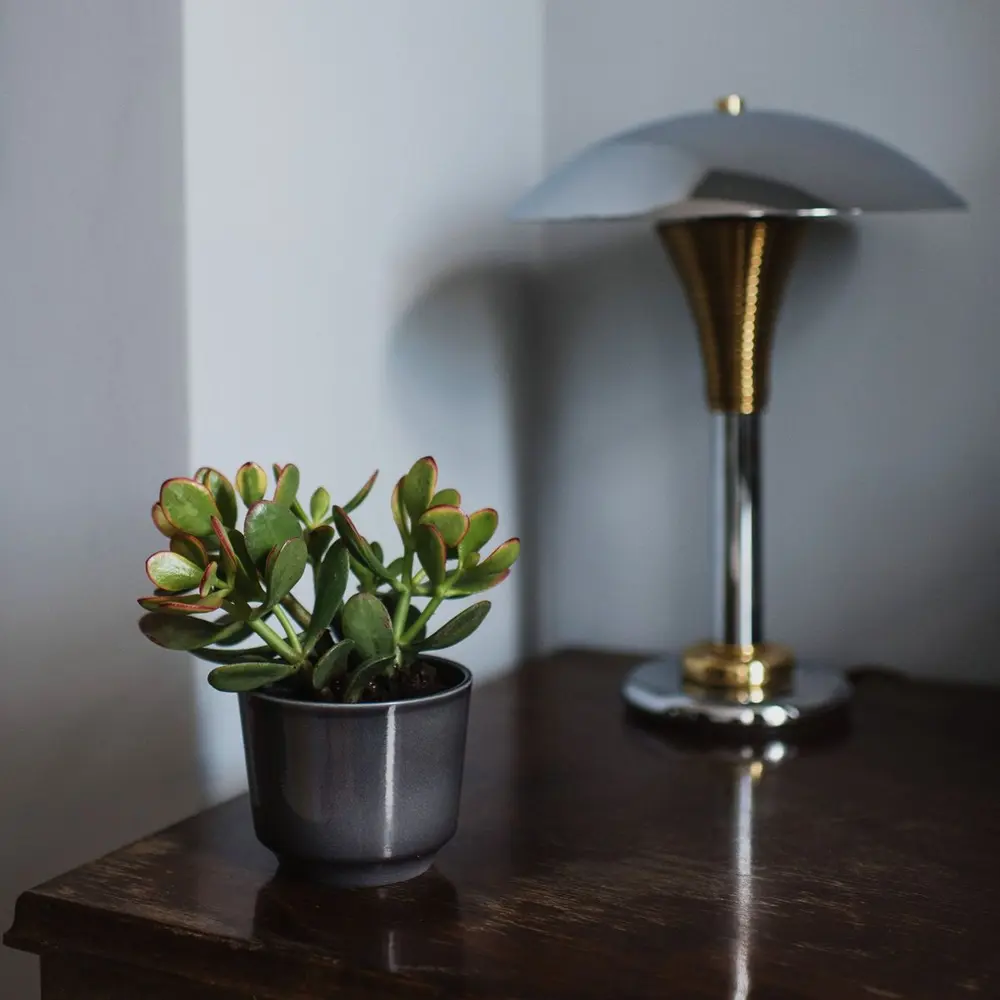
12. Jade plant
The jade plant is the desk plant for a sunny window. It does best where it gets 4 or more hours a day of direct sunlight, so it suits a desk right beside a south window. With its thick trunk and branches, it looks like a miniature tree.
It can live for a very long time, and an old plant can reach 5 feet indoors. Start with a young plant in a small, heavy pot. As it grows top-heavy, move it to a heavier pot so it doesn’t tip over onto your desk.
Water in moderation when the soil is dry, and reduce watering from fall to late winter. Don’t let it go dry for too long, though: drought can cause leaf spotting and leaf drop. In winter, keep it out of drafts and don’t let the leaves touch the cold windowpane; moving it 6 inches back from the glass protects it from heat and cold.
The ASPCA lists the jade plant as toxic to cats and dogs.
How to care for a desk plant
A desk plant needs the same care as any houseplant, plus a few habits that keep water off your laptop and light on the leaves.
- Feel the soil first. Push a finger about 1 inch into the potting mix before you water. Plants in less light grow more slowly and use less water, so a desk plant far from a window often needs water less often than you expect.
- Water at the sink. Carry the plant away from your desk, water until it runs from the drainage hole, and let it drain before you bring it back. Never pour water next to a keyboard, a laptop or a power strip.
- Use a saucer. Set every desk plant on a saucer that is wider than the pot. Pour off water still standing in it 1 hour after watering, and check decorative pots for water pooled at the bottom.
- Water from below for fussy leaves. Set the pot in a pan of water until the top of the soil turns moist, then let it drain. This keeps water off African violet leaves and gives a desk no drips at all.
- Add light where the window can’t reach. A fluorescent or LED light placed fairly close to a plant improves its growth, so for a foliage plant keep it 12 to 24 inches above the leaves for 12 to 14 hours a day on a timer. Skip ordinary incandescent desk bulbs, which make plants stretch and become leggy.
- Turn the pot once a week. Leaves face toward the light, so a plant beside a window leans toward the glass. Turning it weekly keeps it from growing one-sided.
- Keep it out of drafts. Set the plant away from heating and cooling vents, fans and a door that opens all day. Several plants on this list, including the nerve plant, prayer plant, peperomia and zebra haworthia, dislike drafts.
The watering schedule maker sets check days for each plant you own, desk plants included, and the low light plants guide has larger plants for the rest of a dim room.
Desk plants at a glance
| Plant | Light | Size | Water when | Cats and dogs (ASPCA) |
|---|---|---|---|---|
| ZZ plant (‘Zenzi’) | Low to bright, indirect | Small, slow growing | The soil has dried completely | Not on the list |
| Snake plant (‘Hahnii’) | Low to bright, indirect | Small rosette | The soil has dried | Toxic |
| Golden pothos | Low to bright, indirect | Trailing vines | The soil has dried | Toxic |
| Heartleaf philodendron | Low light or room light | Trailing vines | Keep evenly moist | Toxic |
| Peperomia | Bright, indirect; tolerates low | Small, bushy | The soil has dried | Non-toxic |
| Nerve plant | Medium to bright; office lights | Very small, spreading | Keep moist, never soggy | Non-toxic |
| Spider plant | Medium; tolerates shade | Medium, with plantlets | The top of the soil is dry | Non-toxic |
| Prayer plant | Low to bright, indirect | Low, spreading | Keep evenly moist | Non-toxic |
| African violet | Bright, indirect, or a lamp | Small rosette | Keep moist, never soggy | Non-toxic |
| Chinese money plant | Bright, indirect | Small, round | Keep moist, well drained | Not on the list |
| Zebra haworthia | Bright, indirect | Very small rosette | The soil has dried completely | Non-toxic |
| Jade plant | Direct sun | Small tree shape | The soil is dry | Toxic |
Not sure which one fits your desk? The plant finder matches houseplants to your light, your space and your pets.
Frequently asked questions
What is the best desk plant for a desk far from a window?
A ZZ plant or a compact snake plant. Both survive in low light, grow slowly and go a long time between waterings, so they stay small and forgive a busy week. Golden pothos and heartleaf philodendron also handle a dim desk if you want a trailing plant.
Can a desk plant live under office lights alone?
Some can. Medium and low light foliage plants grow in places lit by fluorescent lights all day, and the ZZ plant, nerve plant and heartleaf philodendron grow under artificial light. Flowering plants such as the African violet need a window or a light set close above them, because ceiling lights alone are too dim.
Which desk plants are safe for cats and dogs?
Of the plants on this list, the ASPCA lists the baby rubber plant, watermelon peperomia, nerve plant, spider plant, prayer plant, African violet and zebra haworthia as non-toxic to cats and dogs. The ZZ plant and the Chinese money plant aren't on its list, so treat them as unsafe.
How do I water a desk plant without spilling on my laptop?
Carry the plant to a sink, water it until water runs from the drainage hole, and let it finish draining before you bring it back. Set it on a saucer, and pour off any water still in the saucer an hour later.
Does a desk plant need a grow light?
Not on a desk close to a bright window. A desk far from any window, or a flowering plant such as the African violet, does better with a fluorescent or LED grow light set close above it on a timer. An ordinary incandescent desk bulb makes plants stretch and grow leggy.
Save it for later
Pin it to a board so it's there when you need it.
Save to Pinterest(opens in a new tab)Keep reading
Low lightPlant list
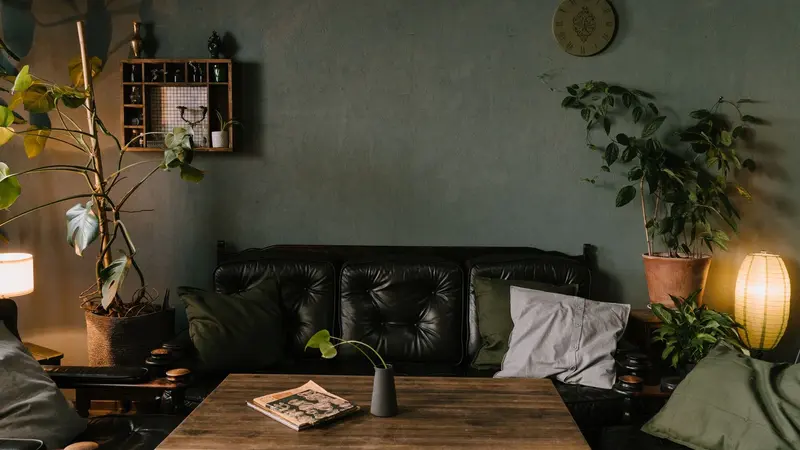
15 low light plants that grow away from the window
Houseplants for a north window, a dim hallway or a corner across the room: what low light means, where each plant fits and how to water it with less light.
Care guide
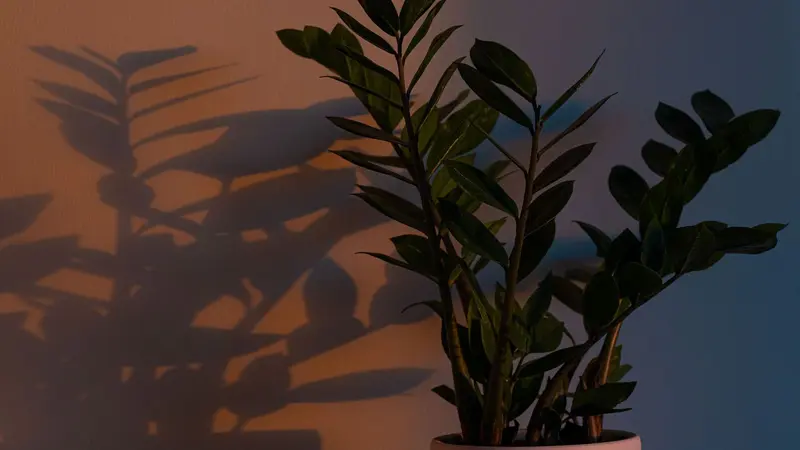
ZZ plant care guide for dim corners and dry spells
How to care for a ZZ plant indoors: low light, rare watering, a coarse mix, repotting its rhizomes, propagation and what yellow or brown leaves mean.
Care guide
Pothos plant care guide for long, full vines
How to care for a pothos plant indoors: light for bright leaves, watering, soil, feeding, pruning for fuller vines, rooting cuttings and fixing yellow leaves.
Plant list
14 cat-safe house plants the ASPCA lists as non-toxic
Spider plant, calathea, moth orchid and more houseplants that are non-toxic to cats by the ASPCA list, with light, watering and where to put each one.
Try a free tool
Plant Finder
Answer four questions about light, space, pets and watering to see the houseplants that fit your spot.