Plant Finder
Answer four questions about light, space, pets and watering to see the houseplants that fit your spot.
Published
Move a houseplant to a pot 1 to 2 inches wider than the one it lives in now, and only once it shows it has run out of room. Type the current pot's width below and tick the signs you see. For a plant in a 6 inch pot with roots poking out, the answer reads: Repot into a pot 7 to 8 inches across, with a drainage hole.
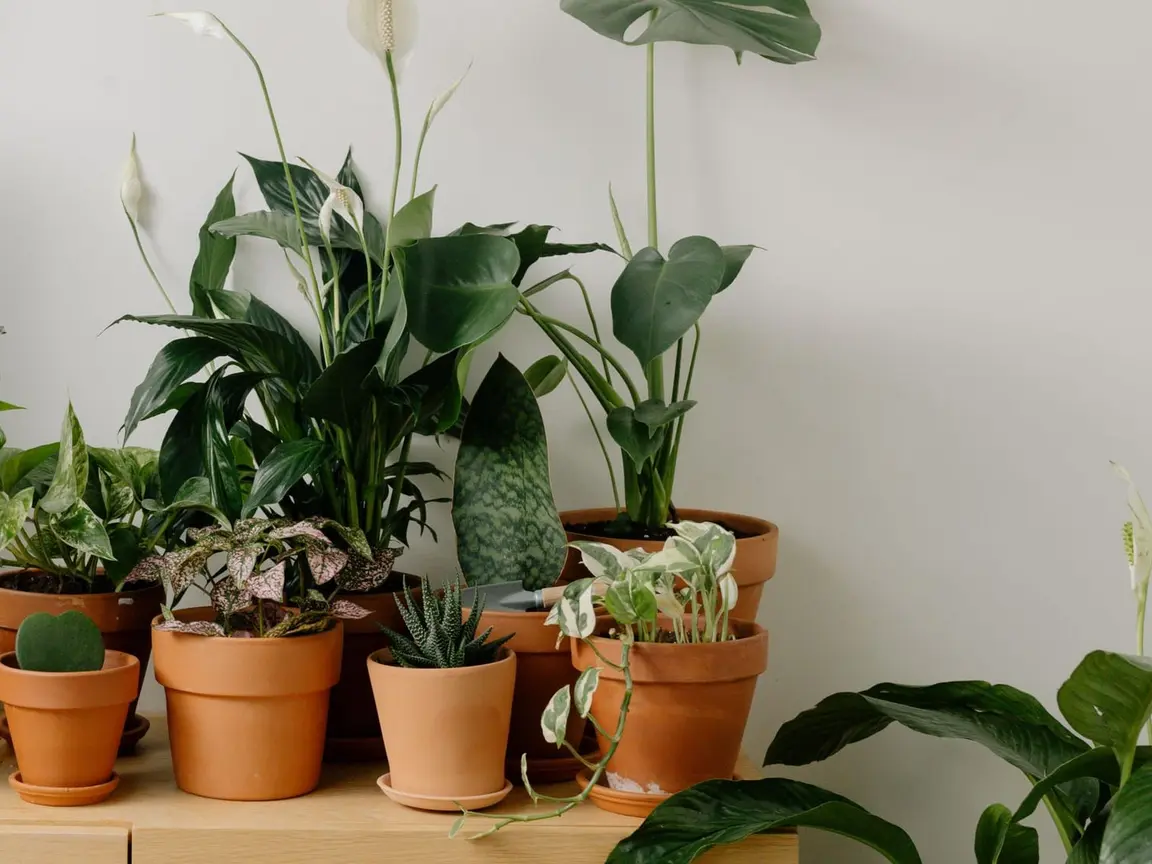
The answer changes as you type and tick, so you can check several plants one after another. Write the sizes down before you shop, since pots are sold by that same width. Check each plant on its own, because two plants in matching pots can be at very different stages.
A plant can live in the same pot for years. These are the signs that it has filled the pot with roots and is ready to move up a size.
Roots are the surest sign. If you slide the plant out and see a solid mass of roots wrapped around the outside of the soil, it is time.
Fast drying is the sign people miss. When a plant that used to last a week between drinks now wilts a day or two after watering, the roots have crowded out the soil that held the water.
The chart shows the next size for common pot widths. Pick the smaller size for slow growers and the larger one for plants that grow fast.
| Current pot | Next pot |
|---|---|
| 4 inches | 5 to 6 inches |
| 6 inches | 7 to 8 inches |
| 8 inches | 9 to 10 inches |
| 10 inches | 11 to 12 inches |
| 12 inches | 13 to 14 inches |
| 14 inches | 15 to 16 inches |
Every width is measured across the top of the pot. A pot labeled by width matches the chart, even when its height differs.
It is tempting to skip a few sizes so you never repot again. The trouble is the extra soil: roots can't reach it, so it stays wet long after each watering.
Soil that stays wet starves roots of air, and that leads to poor growth and root rot. A big pot also makes it harder to judge when the plant needs water, because the top can feel dry while the bottom is soaked.
Moving up one small step at a time keeps the soil and the roots in balance. The plant fills the new pot in time, and you repeat the step when the signs come back.
Spring is the best time, as new growth starts. A growing plant sends new roots into the fresh soil quickly and settles into the new pot while the days are getting longer.
Fast-growing plants may need a new pot every year, while slow growers can stay put for 2 to 3 years. Check the roots each spring and repot only the plants that show the signs.
In fall and winter, wait if you can. A plant that is barely growing uses little water, so fresh soil around its roots stays wet for a long time.
The gap below the rim leaves room for water to pool for a moment and soak in, instead of running over the edge.
Fresh potting mix holds water well, so the first watering lasts longer than you might expect. Check the soil before you water again, instead of watering on your old routine.
The watering schedule maker lists the soil test for each plant, so you know what to feel for on each check day. The plant settles in faster when its new soil isn't kept soggy.
Whatever it is made of, the new pot needs a drainage hole. Water that can't drain collects at the bottom and keeps the roots too wet.
Shape matters too. Taller pots, called standard pots, suit upright plants with deep roots, while shorter azalea pots suit plants that grow low and round.
The calculator reads the width you type and adds 1 to 2 inches to give the range for the next pot. If you tick at least one sign, it says to repot; if you tick none, it gives the size to use when the time comes.
It reads widths with a decimal, like 6.5, and accepts an inch mark or the word inches after the number. Everything runs in your browser, so nothing you type is sent anywhere.
The free plant tools work together: find the plant, size its pot, then plan when to check the soil.
Only a little wider than the pot the plant is in now. The calculator adds that small step for you, because a much bigger pot holds more wet soil than the roots can use.
Measure straight across the top of the pot, from the inside of the rim to the inside of the rim. Pots are sold by that width, so it matches the size on the label.
In spring, as new growth starts. The plant settles into the new pot while it is growing and recovers faster than it would in fall or winter.
Yes. Water that can't drain sits at the bottom and keeps the roots too wet. If you love a pot without a hole, set a plastic nursery pot with holes inside it.
Pin it to a board so it's there when you need it.
Save to Pinterest(opens in a new tab)Answer four questions about light, space, pets and watering to see the houseplants that fit your spot.
Pick your plants and the days you check the soil to get a weekly schedule with the right test for each plant.