13 low maintenance indoor plants for busy people

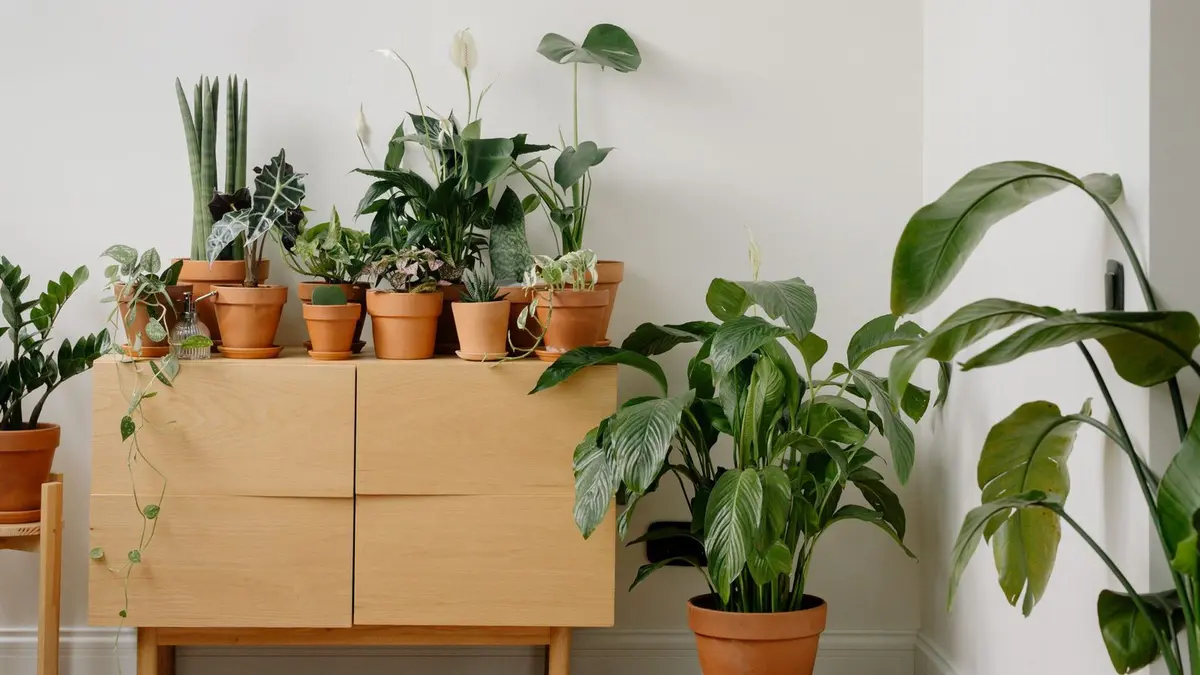
These low maintenance indoor plants keep looking good through a busy week: ZZ plant, snake plant, ponytail palm, zebra haworthia, aloe vera, jade plant, cast iron plant, Chinese evergreen, ripple peperomia, Madagascar dragon tree, wax plant, pothos and spider plant. Each one handles a missed watering and a little neglect, and most of them are happy in the dry air of an average home.
The first six are drought tolerant, so they go the longest between waterings. The next four handle dim rooms with little fuss. The last three are trailing plants that keep growing and ask for a quick trim or a bigger pot now and then, in exchange for the most green.
What makes a plant low maintenance
A low maintenance plant tolerates a wide range of light, especially low light. It survives uneven watering and dry soil, still looks good in the low humidity of most homes, and stays healthy and attractive with minimal care, without messy leaf drop or special fertilizers.
Watering is where most busy people go wrong. Improper watering kills or injures more houseplants than any other single factor, and for the plants on this list the usual mistake is too much water, not too little. No single schedule fits every plant, because the size of the plant and pot, the light, the temperature and the humidity all change how fast the soil dries.
So the plants below are the ones that forgive the dry side. If you forget them for a week, they wait. If you love them with extra water, most of them rot, so the best habit is to check before you pour.
1. ZZ plant
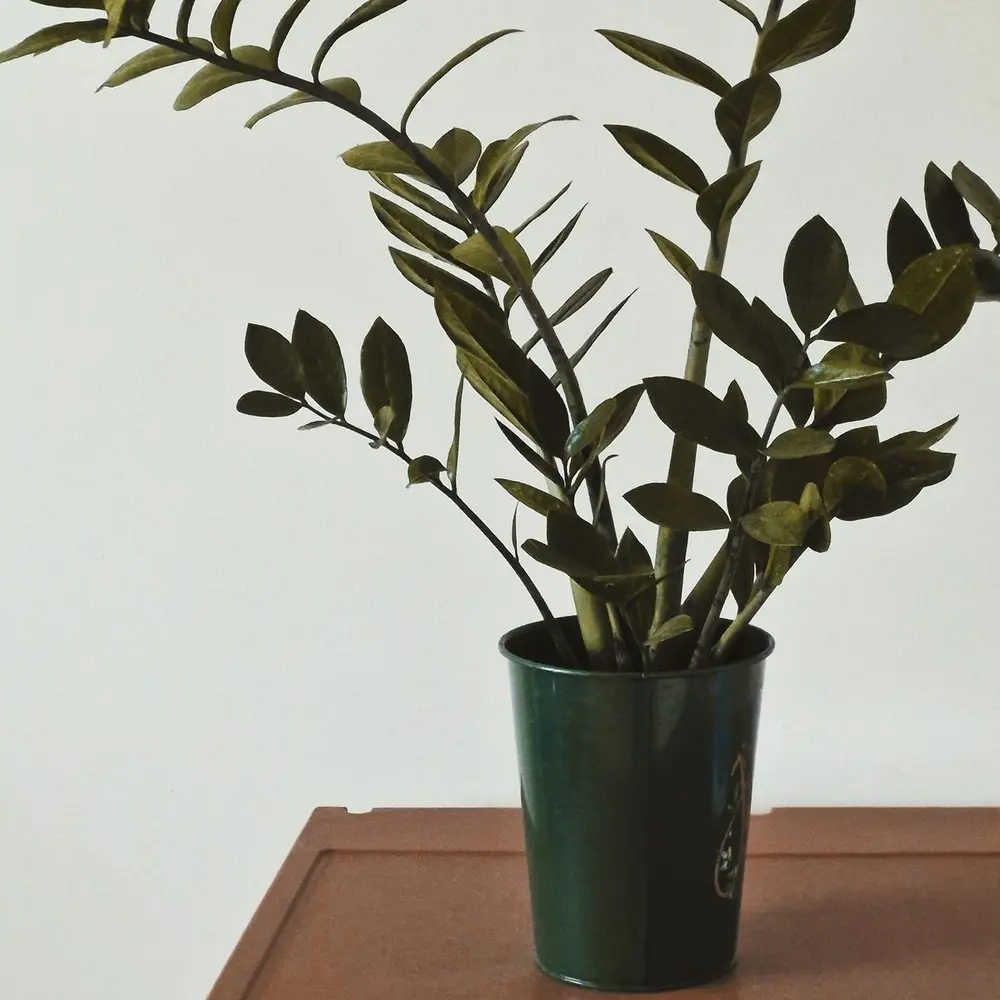
The ZZ plant is the closest thing to a houseplant that waits for you. Its thick underground rhizomes and glossy leaves store water, which makes it highly drought tolerant, and it can survive 3 to 4 months without being watered.
Water it only 1 to 2 times a month, and only after the potting mix has dried completely. On a busy week the right move is usually to do nothing, because overwatering is what rots its roots, not a missed turn.
It survives in low light and grows even in spots lit only by office lights, though bright, indirect light speeds up its very slow growth. Keep it out of direct sun, which scalds the leaves.
The one habit that keeps it healthy: let the pot drain fully before it goes back into a decorative pot or onto a saucer. The ZZ plant care guide covers repotting and propagation.
The ZZ plant isn’t on the ASPCA plant list, so treat it as unsafe for pets that chew leaves.
2. Snake plant
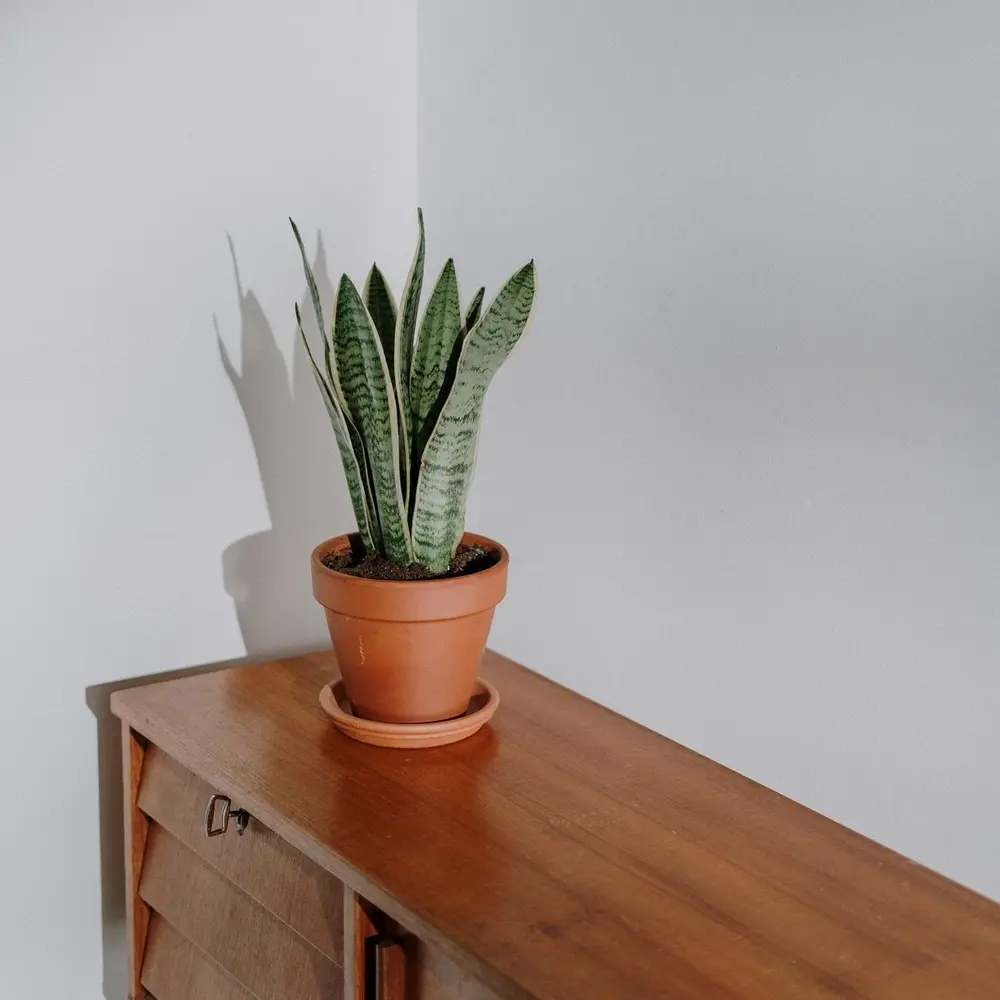
Few houseplants forgive a busy month like the snake plant. It tolerates irregular watering, and you can forget to water it for a month or so without doing it any harm.
In spring and summer, water it about every 2 to 4 weeks, once the soil has dried. In fall and winter, stretch that to every 4 to 6 weeks. Overwatering is its main enemy, so when you aren’t sure, wait another week.
It tolerates low light, where it grows more slowly and needs even less water, and it doesn’t need extra humidity. Keep it out of hot, direct sun, which can burn the leaves.
Repotting is rare. It doesn’t mind being snug in its pot and only wants fresh potting mix about every 5 years. Dust the leaves now and then, and that is the whole routine.
The snake plant care guide covers dividing and propagating it.
The ASPCA lists the snake plant as toxic to cats and dogs.
3. Ponytail palm
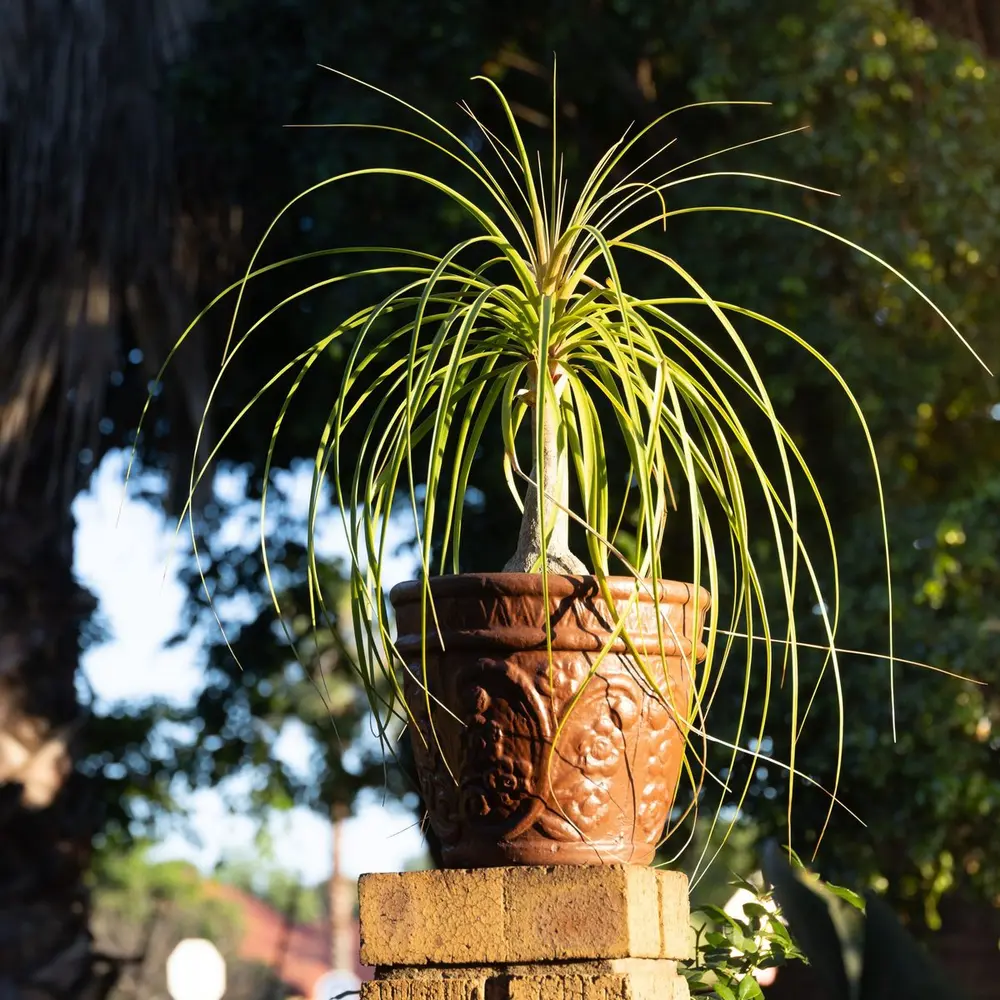
The ponytail palm isn’t a true palm. It grows a plume of narrow, curling leaves from a thick, swollen base that stores water, so it tolerates dry soil and missed waterings.
In summer, water it deeply and then let the soil dry out before the next watering. In winter, cut back on water greatly. It does well even in the dry air of a heated home, which makes many other houseplants suffer.
Give it a sunny window. It grows best in direct light, though it tolerates lower light levels. Plant it in a well-drained mix like the ones for cactus and succulents, since soggy soil can lead to stem rot.
It is slow growing, though in a pot it will eventually reach 6 to 8 feet. A large one is hard to repot, so when it does need a new pot, choose one only slightly larger than its base.
The ASPCA lists the ponytail palm as non-toxic to cats and dogs.
4. Zebra haworthia
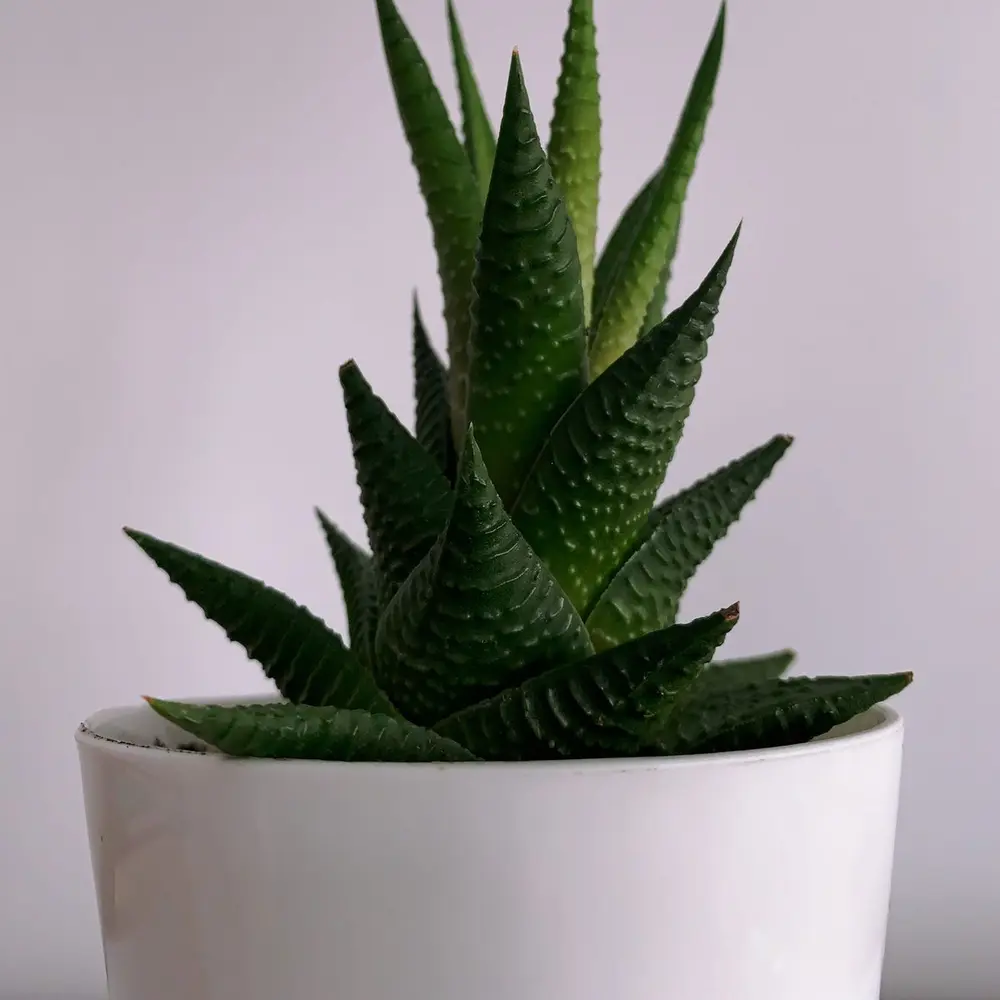
The zebra haworthia is a small succulent with stiff, dark green leaves banded in raised white stripes. It reaches only 4 to 6 inches tall and as wide, so it fits a windowsill, a desk or a shelf.
It is slow growing and long lived, with a life span of up to 50 years. Slow growth means few jobs: no pruning, no staking and rarely a bigger pot.
Plant it in a well-draining cactus or succulent mix and let the soil dry out completely between waterings. Too much water causes leaf spot and root rot, so this is a plant to water less often, not more. The humidity in most homes suits it.
It prefers bright, indirect light and is somewhat tolerant of low light. If its white stripes fade, give it more light. If it turns deep red or white, it is getting too much sun.
Keep it away from cold drafts and sudden temperature changes.
The ASPCA lists haworthias as non-toxic to cats and dogs.
5. Aloe vera
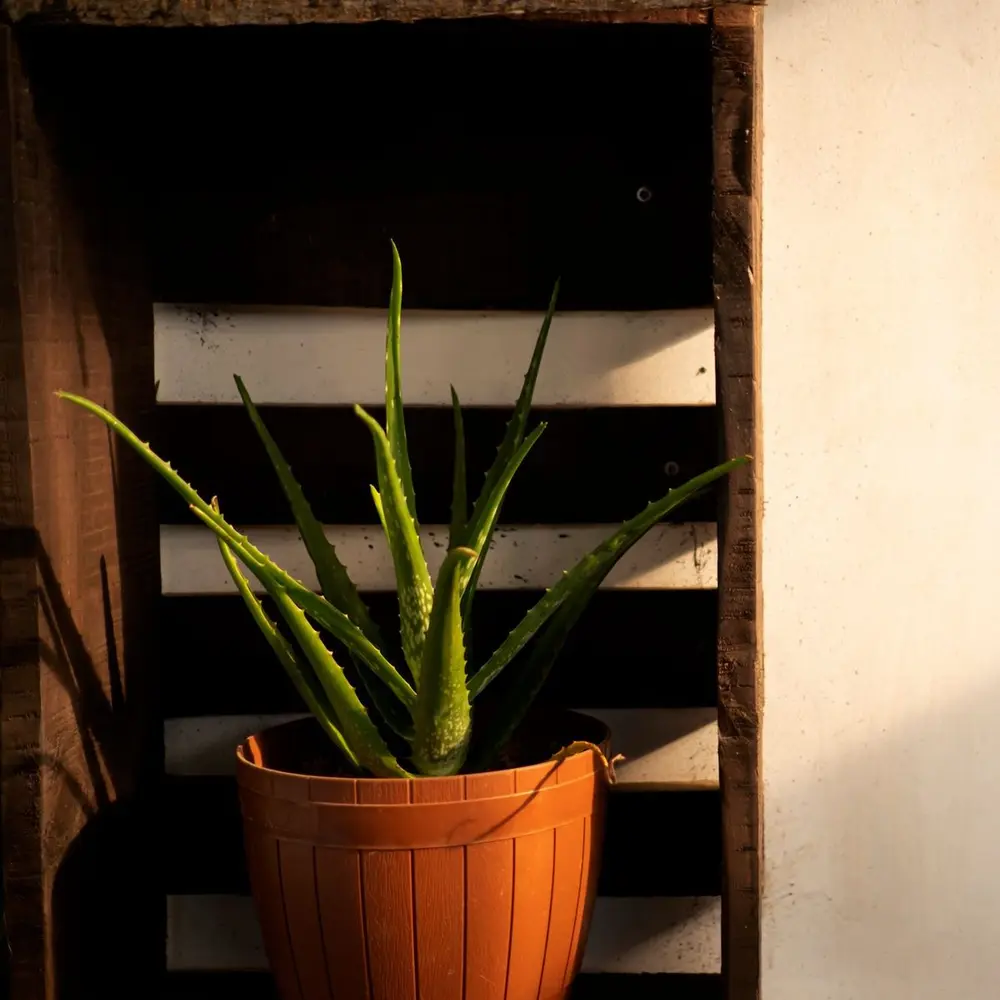
Aloe vera grows a rosette of thick, fleshy leaves that hold water, so it copes with drought and dry indoor air. It can grow 2 to 3 feet tall.
It needs light more than it needs attention. Grow it in full sun to partial shade, which indoors means a bright, sunny window. Succulents need lots of light, and a high-light spot also dries the soil faster.
Let the soil dry completely between waterings, and water less often in winter. In the low light of winter months, give succulents only enough water to keep them from shrinking and withering.
The one habit that matters is drainage. Use a pot with a drainage hole and a fast-draining mix, and never let it stand in water. With those, an aloe needs little more than a turn of the pot now and then, so it doesn’t lean toward the glass.
The ASPCA lists aloe as toxic to cats and dogs.
6. Jade plant
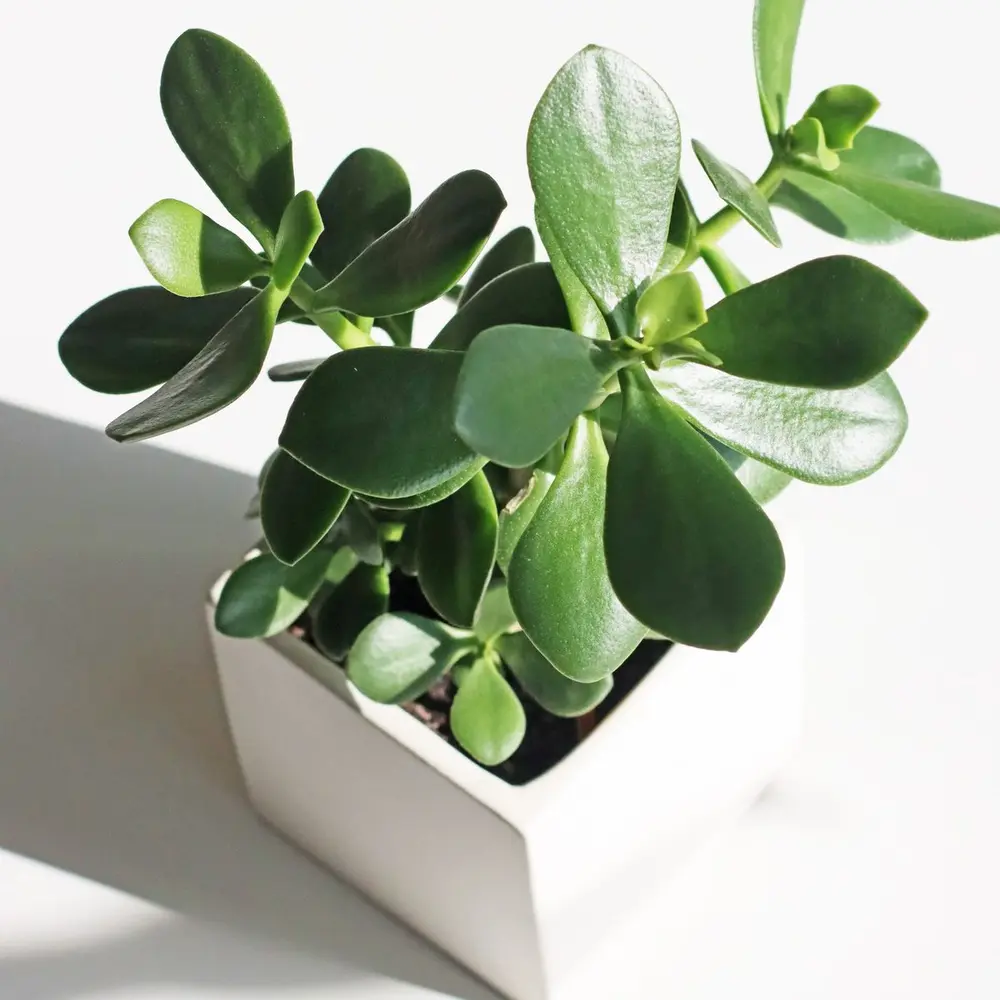
The jade plant is a succulent that stores water in its leaves, stems and roots. It is tolerant of neglect and likes the warm, dry conditions of most homes, and it can live for a very long time, growing into a small tree up to 5 feet tall indoors.
It needs more light than the other plants on this list. Jade plants do best with 4 or more hours of direct sun a day, ideally in a south window. In too little light the leaves grow darker and the stems droop, but the plant survives.
Water in moderation when the soil is dry, and reduce watering from fall to late winter. Don’t take that too far, though: drought can cause leaf spotting and leaf drop, so check it with the others each week.
Use a well-drained mix for succulents and cacti. When an older plant gets top-heavy, move it to a large, heavy pot so it doesn’t tip over. In winter, keep its leaves off cold windowpanes.
The ASPCA lists the jade plant as toxic to cats and dogs.
7. Cast iron plant
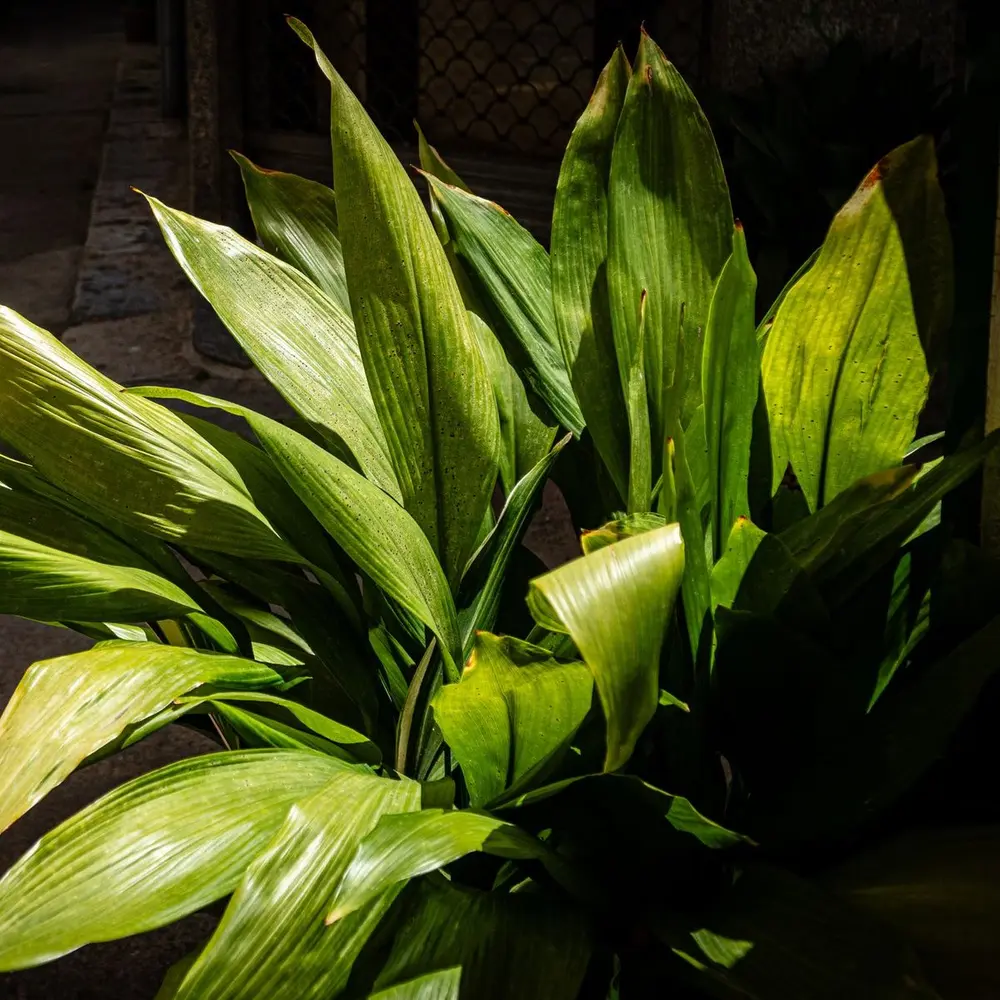
The cast iron plant is named for its ability to withstand neglect. It endures heat, dust, low light and lack of water better than most other houseplants, and its broad, glossy leaves grow 2 to 3 feet tall.
Place it in a north window or a low-light spot away from south windows. It prefers partial to full shade and is intolerant of direct sun, so it suits the dim corner where little else grows.
Water when the soil is dry 2 to 3 inches down, let the water drain from the pot, and don’t leave any in the saucer. Frequent repotting harms it, so divide and repot it only rarely.
That makes it a plant for the busiest households. Beyond watering, the only regular job is a look at the leaves for pests now and then and a wipe when they get dusty.
The ASPCA lists the cast iron plant as non-toxic to cats and dogs.
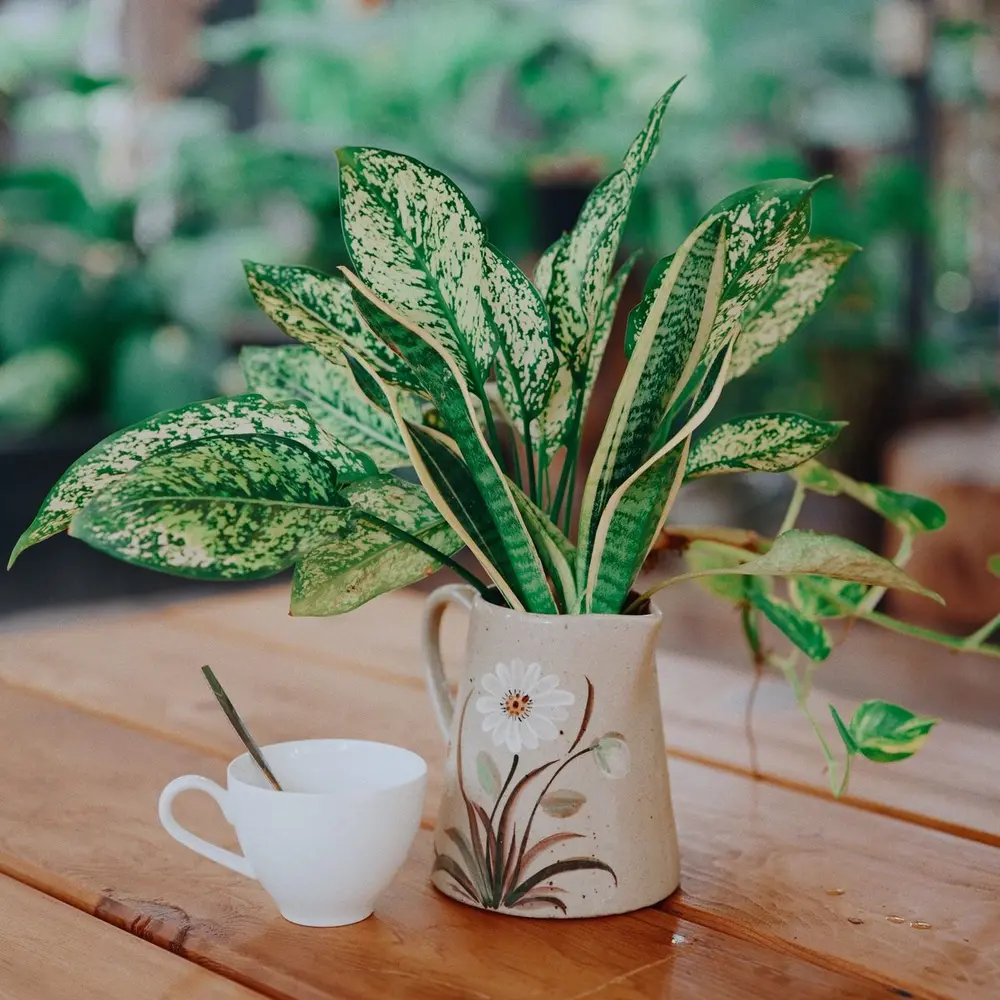
8. Chinese evergreen
The Chinese evergreen is one of the most durable houseplants. It tolerates poor light, dry air, air conditioning and drought, and it grows 1 to 3 feet tall and wide.
Choose by your light. Solid green Chinese evergreens grow in low light, while the variegated ones with leaves of other colors need low to moderate, indirect light. None of them likes direct sun on its leaves.
Keep the soil lightly moist, but let the top 1 to 2 inches dry before you water again. Too much or too little water damages the roots, and soil that stays wet leads to root rot. Use water at room temperature, not cold from the tap.
It grows well with the low to moderate humidity of an average home, so it doesn’t need extra humidity. In a dim office or a north-facing bedroom, it asks for little more than water when its top inches dry.
The ASPCA lists the Chinese evergreen as toxic to cats and dogs.
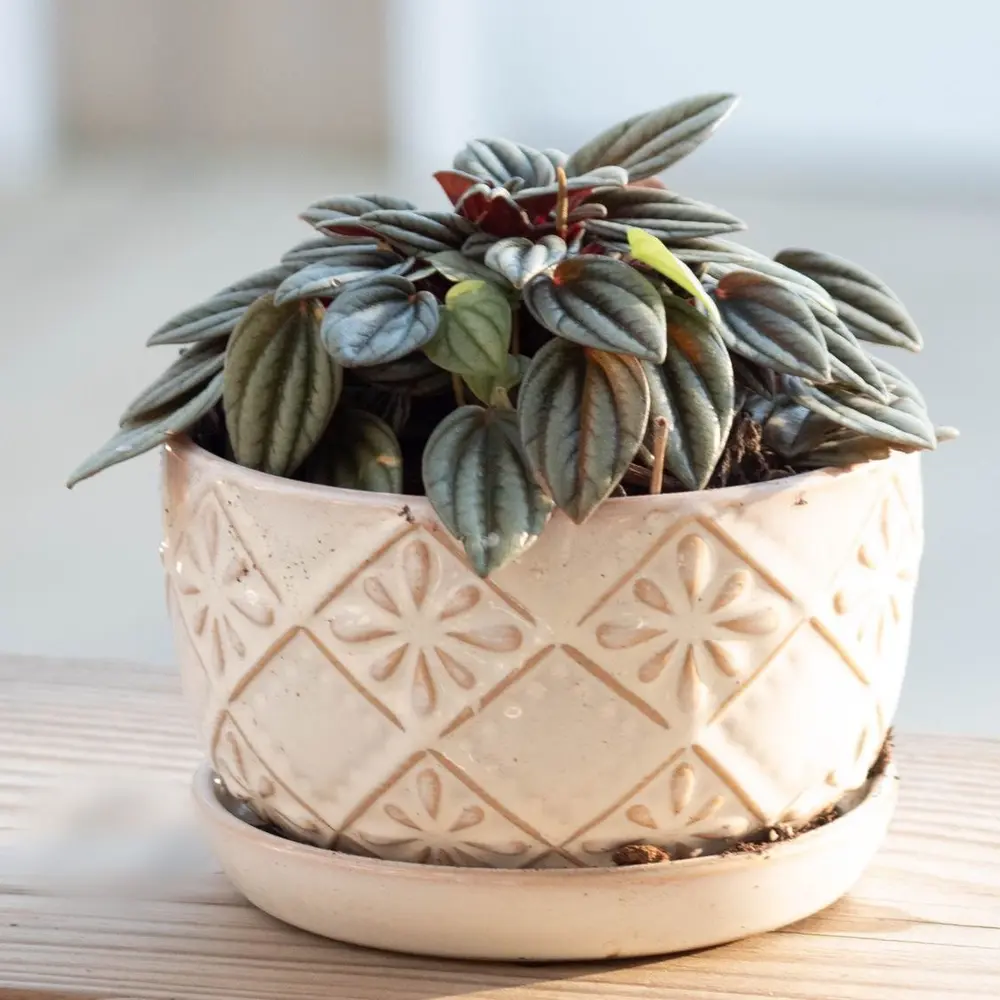
9. Ripple peperomia
The ripple peperomia is a small, bushy plant with heart-shaped, deeply furrowed leaves, green or burgundy red depending on the variety. Most peperomias grow 8 to 15 inches tall and wide, so it fits a desk or a shelf.
It is easy to grow and tolerant of indoor conditions. Medium light, such as sun filtered through a thin curtain, is ideal, and it tolerates low light for several months without stress. It also grows well under bright office lights.
Let the soil dry between waterings. Peperomias tolerate neglect, but they rot if overwatered and drop their leaves when they get too much water. Water it, let it drain, then set it back on its saucer.
It likes medium to low humidity, so dry winter air doesn’t bother it. What it won’t tolerate is soggy soil, bone-dry soil for long, or a drafty spot, so keep it away from an outside door.
The ASPCA lists the ripple peperomia as non-toxic to cats and dogs.
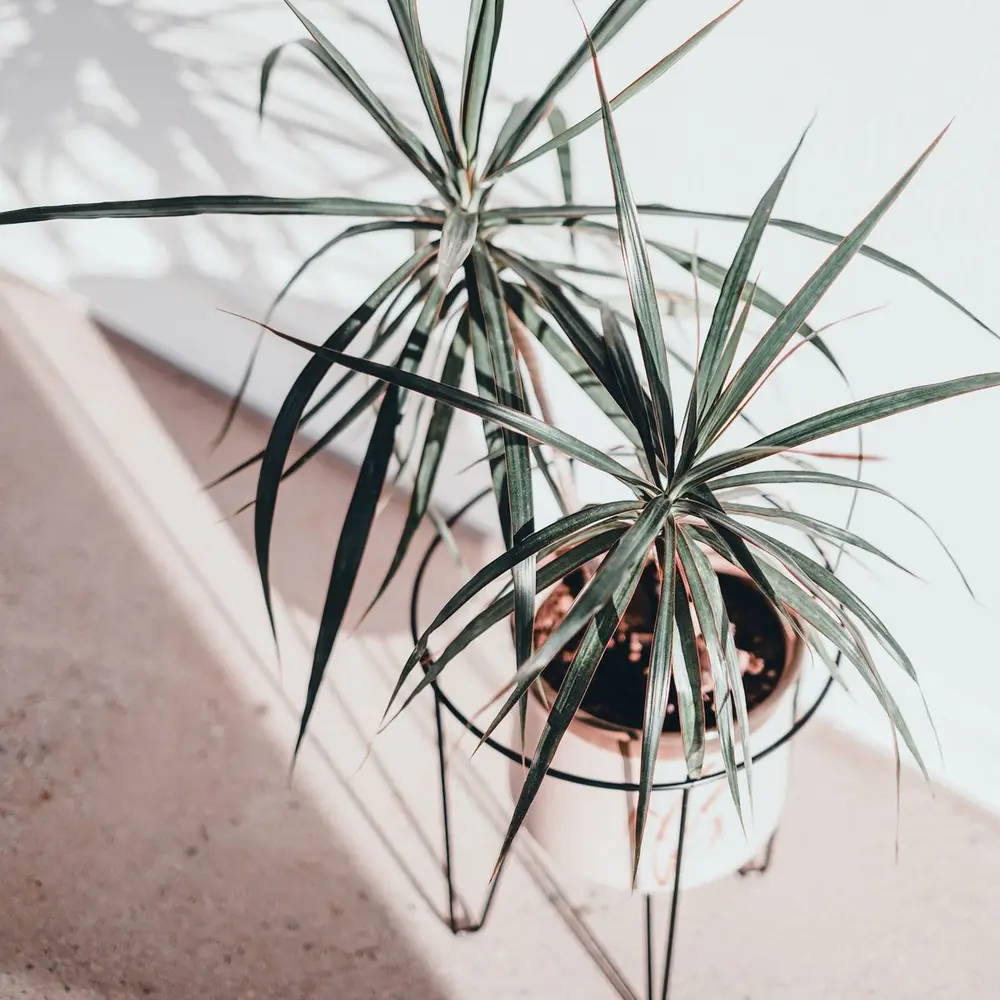
10. Madagascar dragon tree
The Madagascar dragon tree grows tufts of narrow, red-edged leaves on slim stems, so it adds height without taking much floor. As a houseplant it grows to 6 feet, and you can prune it smaller.
Bright, indirect light is ideal. It tolerates low light, which is why it is so common in homes and offices, but in too little light it bends and stretches toward the window. It prefers average warmth and below-average humidity, so dry indoor air suits it.
Let the potting mix dry between waterings, but not severely. Like most dracaenas, it is sensitive to fluoride, which discolors the leaves, so water it with distilled or non-fluorinated water.
Keep a jug of that water next to it, and watering day takes no extra thought. Pruning is optional and only needed when it gets too tall for its spot.
The ASPCA lists the Madagascar dragon tree as toxic to cats and dogs.
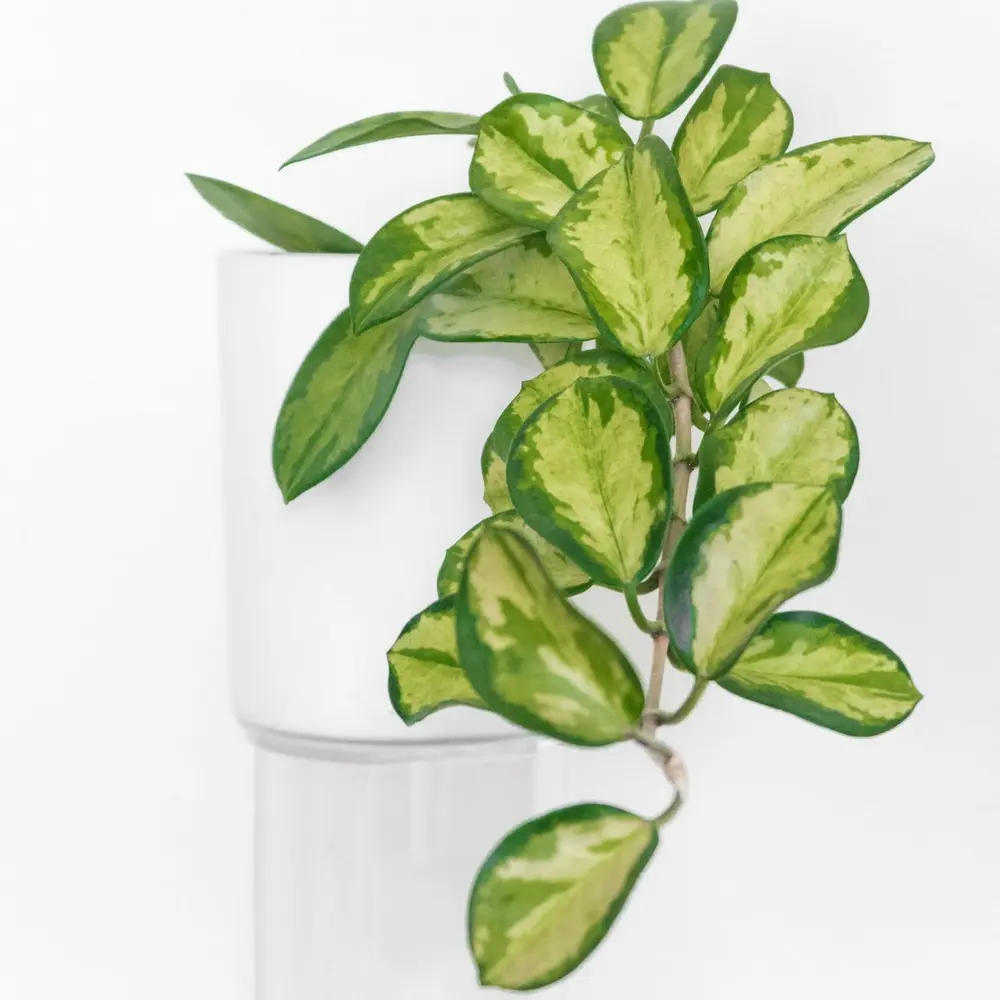
11. Wax plant
The wax plant is a climbing, trailing plant with thick, leathery, waxy leaves. In time it may also bear clusters of shiny, white to pink flowers, and it is a natural fit for a hanging basket or the top of a bookcase.
Bright, indirect light year-round is ideal. It tolerates low light, but it needs medium light to grow and high light to flower. Once it is in a good spot, leave it there: a wax plant does best when it isn’t moved.
Let the soil dry out between waterings, because soil that is too wet or too dry makes it drop leaves, and use water at room temperature. Keep it slightly cooler and drier in winter.
It doesn’t mind being pot-bound, so it rarely needs a bigger pot. If you prune it, never cut the spurs where flowers have grown, because they flower again over several years.
The ASPCA lists the wax plant as non-toxic to cats and dogs.
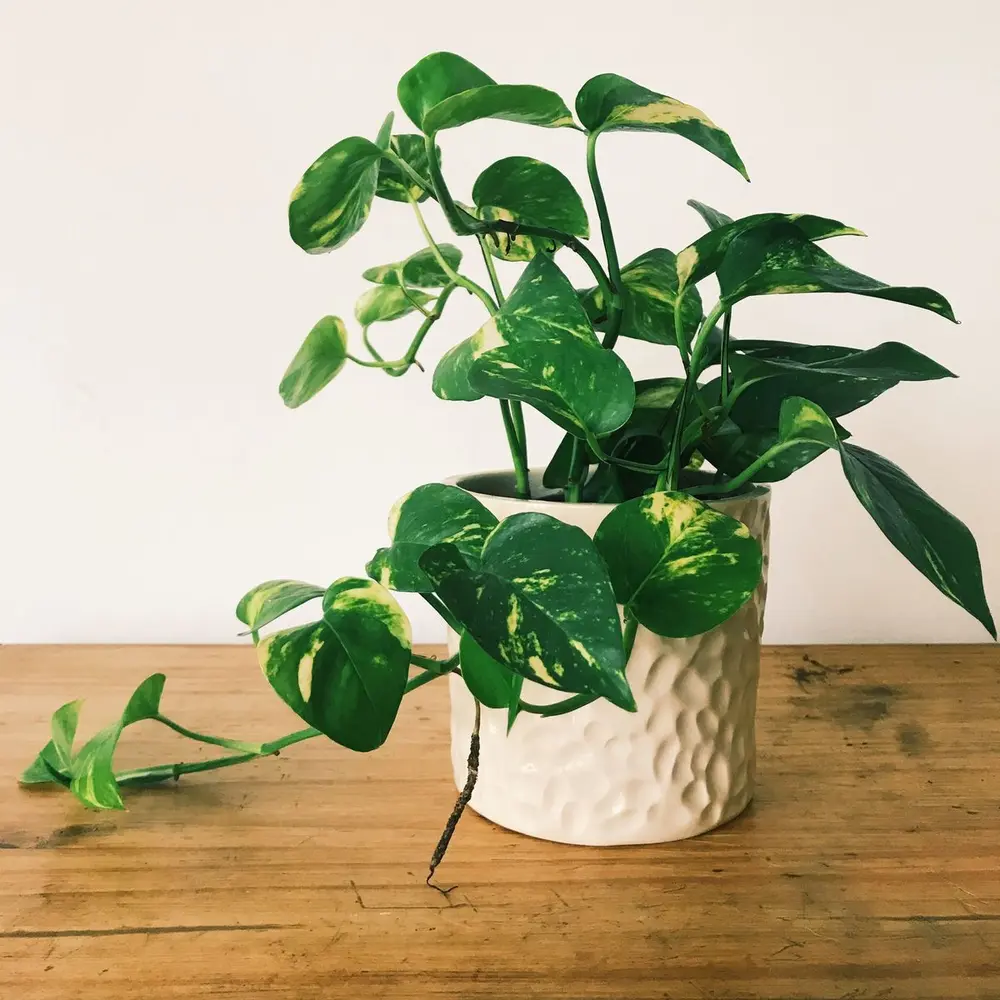
12. Pothos
Pothos is one of the easiest and most forgiving houseplants you can grow. It grows in low to moderate light, trails from a shelf or climbs a support, and its vines grow 8 to 10 feet long indoors.
It needs water more often than the succulents on this list, about once a week, letting the soil dry a bit between waterings. It is better kept too dry than too wet, so a missed week does far less harm than an extra one.
Because its vines keep growing, plan for two small jobs. Pinch or trim the vine tips now and then to keep the plant full and the vines a manageable length, and expect to repot it every 1 to 2 years.
Those trimmings root easily in water, so a busy schedule can still give you new plants. The pothos care guide covers pruning, repotting and the best light for each variety.
The ASPCA lists pothos as toxic to cats and dogs.
13. Spider plant
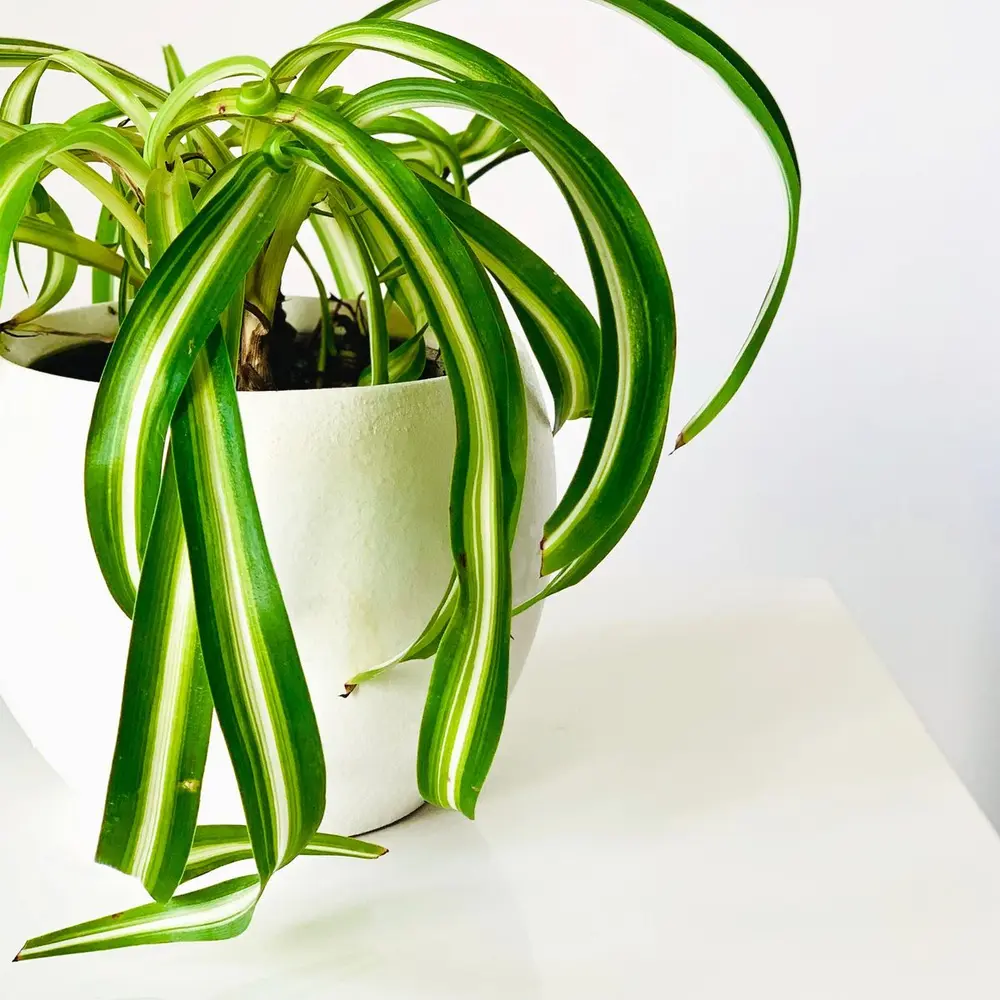
The spider plant is adaptable. It grows best in bright, indirect light but adapts to medium light, and it handles average humidity and room temperatures. Its arching leaves and dangling plantlets suit a hanging basket or a high shelf.
Water it deeply when the top 1 to 2 inches of soil feel dry, and let a little water drain from the bottom of the pot each time. Dry air and soil that dries out too far both brown the leaf tips.
Its one real chore is the pot. Spider plants grow quickly, and their thick, fleshy roots crowd the pot, so they need repotting or dividing more often than many other houseplants. Plan for it once a year while the plant is young and every other year once it matures.
The plantlets can stay on for a fuller plant, so you never have to deal with them. The spider plant care guide covers repotting and rooting the plantlets.
The ASPCA lists the spider plant as non-toxic to cats and dogs.
A short weekly plant routine
One short check a week keeps every plant on this list healthy. Pick one day, and do the same steps in the same order:
- Feel the soil. Push a finger about 1 inch into the potting mix of each pot. Water only the plants that have dried as far as they like, and skip the rest until next week.
- Water thoroughly. Add water until it runs out of the drainage hole, so the whole root ball gets wet, not just the top.
- Empty the saucers. Pour off any water that still stands beneath a pot 1 hour after watering, and check deep cachepots for hidden water.
- Turn the pots. Give each pot a small turn, which keeps a plant from getting one-sided as it leans toward the light.
- Look at the leaves. Check the leaves for insects such as mites and scale, and note anything new: yellowing, brown tips or drooping.
- Wipe the dust. Now and then, wipe large leaves on both sides with a soft cloth dampened with water.
In fall and winter, most of these plants grow slowly and need less water, so the routine gets even shorter. Keep the weekly check anyway, since a heated home dries some pots faster than you expect.
Habits that keep low maintenance plants easy
Choose by light first. Light is usually the first thing to check when you choose a houseplant, and too little light is close behind poor watering as a cause of failure. A plant in the right light also copes better with the warm, dry air of many homes.
Use pots with drainage. Every pot needs a hole in the bottom. A plant left standing in water soon looks sick, with yellowing or dropping leaves and rotting roots.
Don’t repot a new plant right away. A newly bought plant has to adjust to your home, and repotting it at once adds to the strain. Repot only when the roots fill the pot.
Feed only while it grows. Feeding once a month is enough for most houseplants that are putting out new growth, and they need no fertilizer in winter. Never use fertilizer to push a plant in poor light, because it can cause more harm.
Group plants by thirst. Keep the succulents together in your sunniest window and the plants that like moister soil together in another spot. Then each group gets the same treatment on watering day, and nothing gets watered by mistake.
Low maintenance indoor plants at a glance
| Plant | Light | Water when | Upkeep beyond watering | Cats and dogs (ASPCA) |
|---|---|---|---|---|
| ZZ plant | Low to bright, indirect | The mix is completely dry | Almost none | Not on the list |
| Snake plant | Low to bright, indirect | The soil is dry | Fresh mix every few years | Toxic |
| Ponytail palm | Sunny window | The soil has dried out; much less in winter | Rarely repotted | Non-toxic |
| Zebra haworthia | Bright, indirect, some low light | The soil is completely dry | Almost none | Non-toxic |
| Aloe vera | Sunny window | The soil is completely dry; less in winter | Turn the pot now and then | Toxic |
| Jade plant | Direct sun, south window | The soil is dry; less from fall to late winter | A heavy pot as it grows | Toxic |
| Cast iron plant | Low light, no direct sun | The top 2 to 3 inches are dry | Rarely repotted | Non-toxic |
| Chinese evergreen | Low to moderate, indirect | The top 1 to 2 inches are dry | Almost none | Toxic |
| Ripple peperomia | Medium, filtered; tolerates low | The soil has dried | Keep it out of drafts | Non-toxic |
| Madagascar dragon tree | Bright, indirect; tolerates low | The mix has dried, but not severely | Distilled or non-fluorinated water | Toxic |
| Wax plant | Bright, indirect | The soil has dried | Leave it in one spot | Non-toxic |
| Pothos | Low to moderate | The soil has dried a bit, about weekly | Trim vines, repot every year or two | Toxic |
| Spider plant | Bright to medium, indirect | The top 1 to 2 inches are dry | Repot or divide often | Non-toxic |
Want a reminder that fits your own plants? The plant watering schedule maker turns this list into a weekly plan for the plants you actually have.
Frequently asked questions
What is the most low maintenance indoor plant?
The ZZ plant and the snake plant ask the least of you. Both store water, both grow in dim light, and both are harmed more by too much water than by a missed watering.
Which low maintenance indoor plants are safe for cats and dogs?
Of the plants on this list, the ASPCA lists the ponytail palm, zebra haworthia, cast iron plant, ripple peperomia, wax plant and spider plant as non-toxic to cats and dogs. The ZZ plant isn't on the ASPCA list, so treat it as unsafe, and the other six are on its list as toxic.
How often should I water a low maintenance plant?
Water by the soil, not by the calendar. Check your plants once a week and water only the ones whose soil has dried as far as that plant likes. The succulents and the ZZ plant often need water only every few weeks, while pothos and spider plants usually want it more often.
Which low maintenance plant is best for a room without much light?
The ZZ plant, snake plant, cast iron plant and a solid green Chinese evergreen handle low light best. In low light they grow more slowly, so water them less. No plant grows well in a room with no window at all unless you add a grow light.
Do low maintenance plants need fertilizer?
Only a little, and only while they grow. Most houseplants that are putting out new leaves need feeding no more than once a month in spring and summer, and none in winter. Fertilizer never fixes a plant that sits in too little light or gets the wrong amount of water.

Save it for later
Pin it to a board so it's there when you need it.
Save to Pinterest(opens in a new tab)Keep reading
Care guide
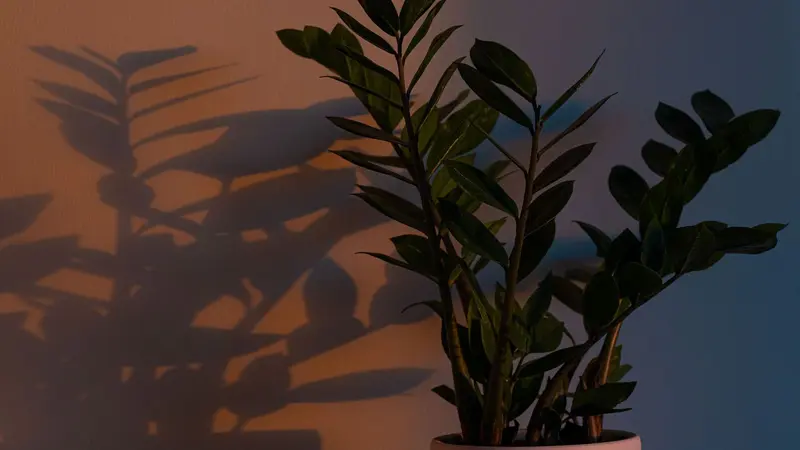
ZZ plant care guide for dim corners and dry spells
How to care for a ZZ plant indoors: low light, rare watering, a coarse mix, repotting its rhizomes, propagation and what yellow or brown leaves mean.
Care guide
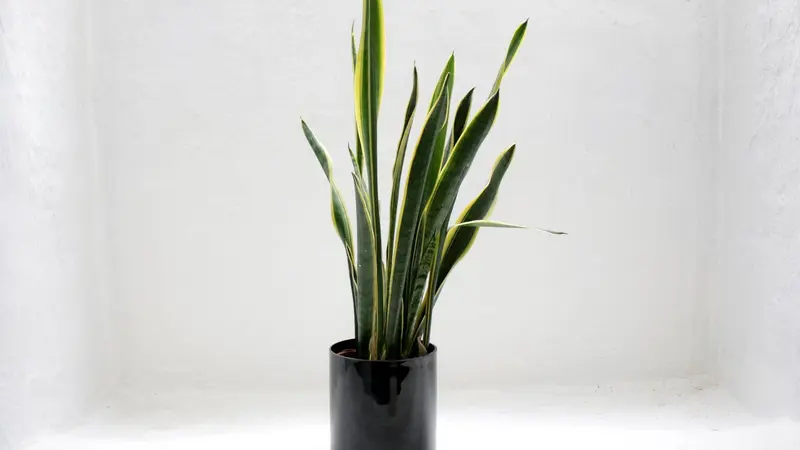
Snake plant care guide for light, water and soil
How to care for a snake plant indoors: the light it likes, how often to water, the right soil and pot, repotting, propagation and the problems to watch for.
Low lightPlant list
15 low light plants that grow away from the window
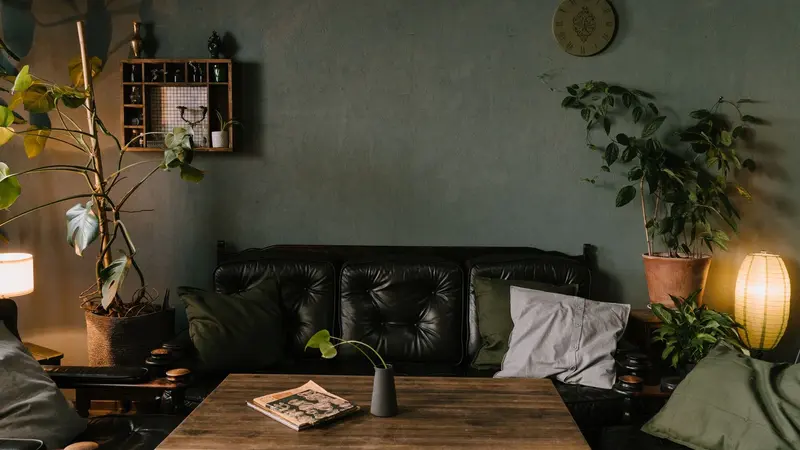
Houseplants for a north window, a dim hallway or a corner across the room: what low light means, where each plant fits and how to water it with less light.
Plant list
12 desk plants that fit beside a laptop
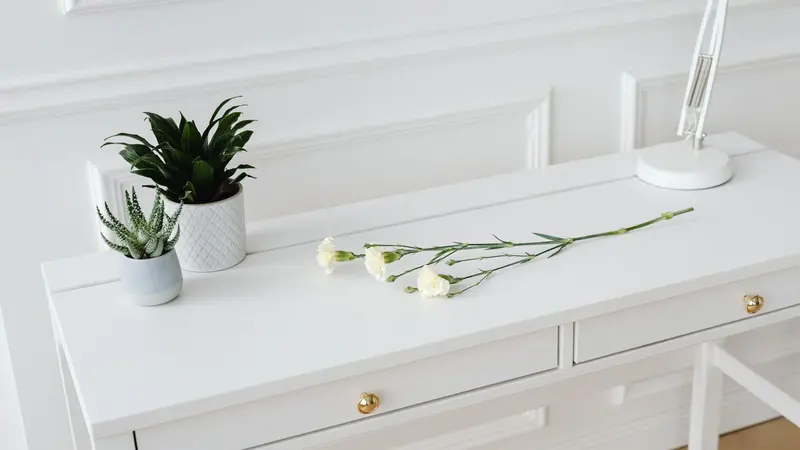
Small plants for a desk by a window, under office lights or far from the glass, with how big each one gets and how to water it beside a laptop.
Try a free tool
Watering Schedule Maker
Pick your plants and the days you check the soil to get a weekly schedule with the right test for each plant.