Repotting house plants in 7 steps, from old pot to new

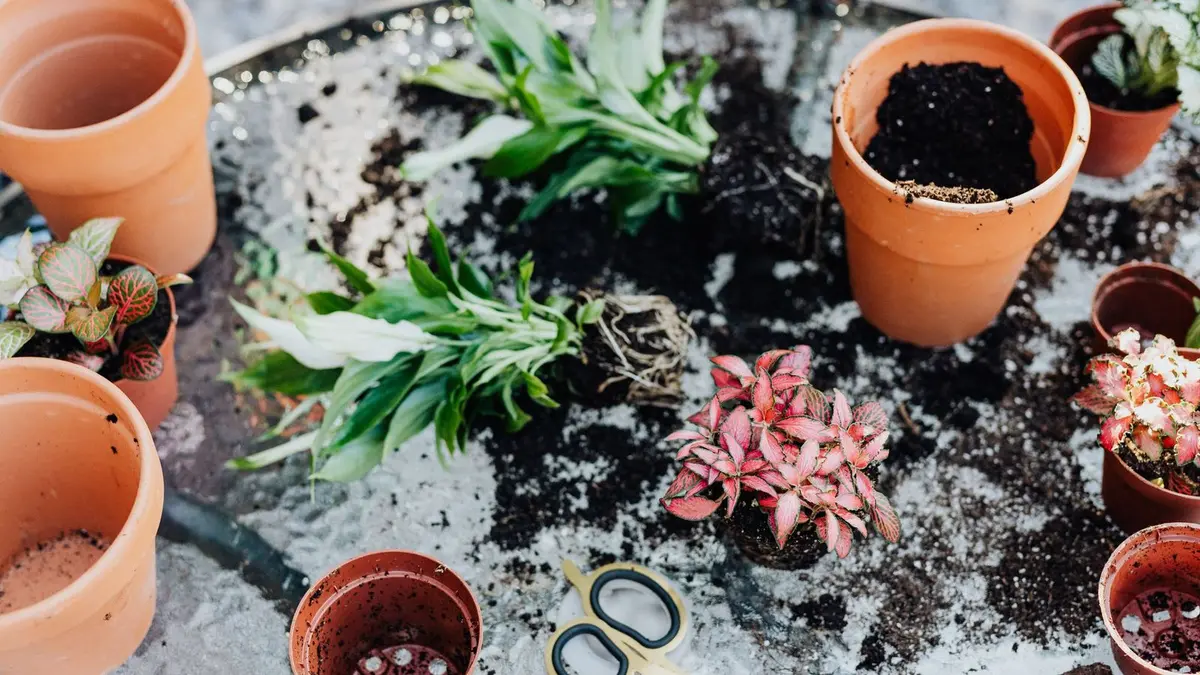
Repotting a houseplant takes seven steps: water it the hour before, prepare a pot just a little bigger with a drainage hole, slide the plant out, loosen and trim the roots, set it at the same depth as before, fill around it with fresh potting mix, and water it well. Do it in late winter or spring, when the plant starts to grow, and only when it has outgrown its pot.
The whole job takes a few minutes for a small plant. Below are the signs that say it’s time, how to choose the next pot, each step in detail and how to care for the plant in the weeks after.
Signs a houseplant needs a bigger pot
A plant tells you when its roots have run out of room. Look for any of these:
- Roots out of the drainage hole. Roots growing out of the bottom of the pot mean it is time.
- Circling roots. When you slide the plant out, the roots form a solid mass around the root ball or circle tightly inside the pot.
- Soil that dries too fast. The plant needs water much more often than it used to, or it wilts soon after watering and perks up again once watered.
- A top-heavy plant. A plant that tips over, especially when the soil is dry, has outgrown its pot.
- Small leaves and no growth. New leaves come in small and the plant hardly grows during spring and summer.
- A salty crust. A white crust on the soil surface means salts have built up, so repot and replace as much of the old soil as you can.
- No drainage hole. A plant in a pot without a hole needs a new pot with one, whatever the state of its roots.
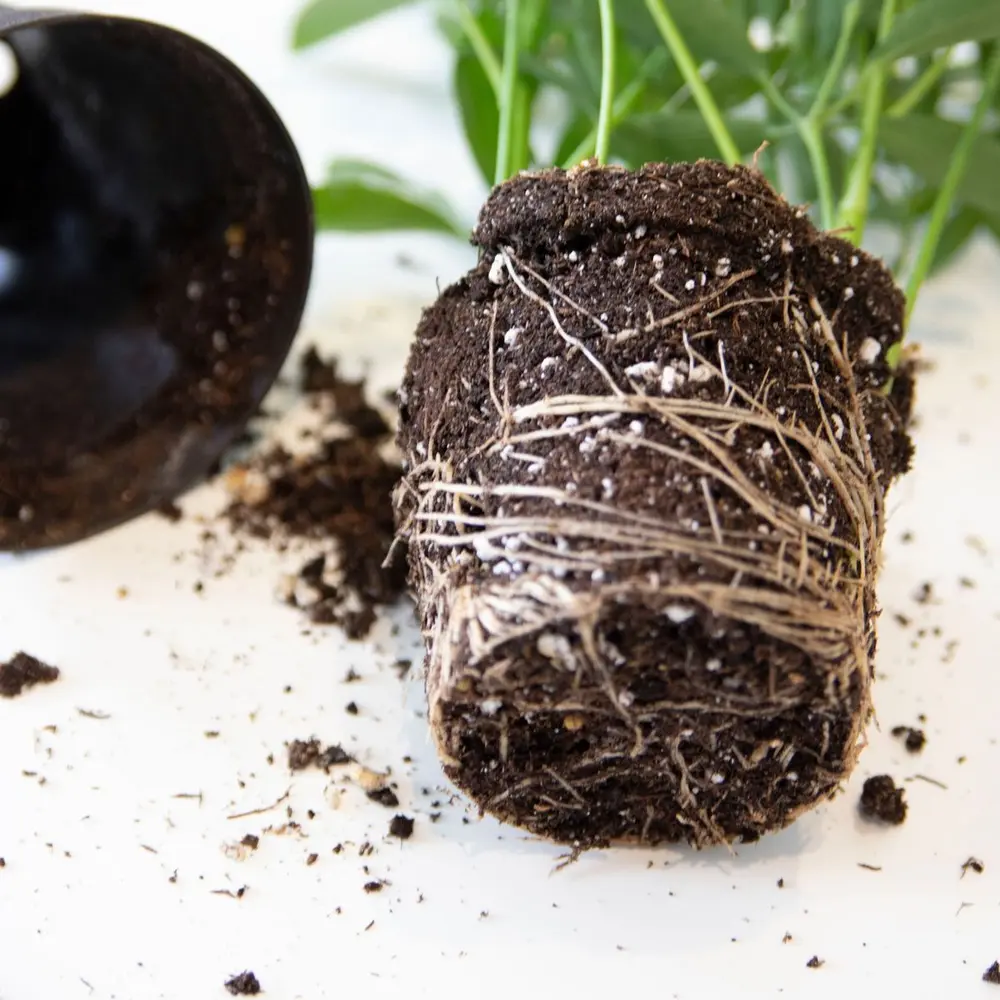
If you only see roots or the crown of the plant exposed on top of the soil, the mix has probably settled or washed to one side. That plant may not need a new pot at all; a layer of fresh potting mix on top is often enough.
When to repot a houseplant
Repot in late winter to spring, as the days get longer and the plant starts new growth, and through summer while it keeps growing. Repotting encourages new growth, so it pays to time it with the plant’s own growing season.
Leave a dormant plant alone until spring, and don’t repot a plant that is about to flower. A fast-growing plant may need a new pot every year, while a slow grower may go 2 to 3 years between pots.
A plant you just brought home seldom needs repotting right away. It is already adjusting to new light and air, and a new pot adds strain, so give it some time first. The new plant checklist covers its first weeks.
How to choose the next pot
Move up only a little. For a plant in a pot of 8 inches or less, choose a pot 1 to 2 inches wider. For a pot of 10 inches or more, go 2 to 3 inches wider.
A pot that is much too big holds more wet soil than the roots can use, and that soggy soil can lead to root rot. Measure the old pot straight across the top, and step up from there.
The pot must have a drainage hole. A decorative pot without one is meant as a sleeve: keep the plant in a plastic nursery pot with holes and set it inside.
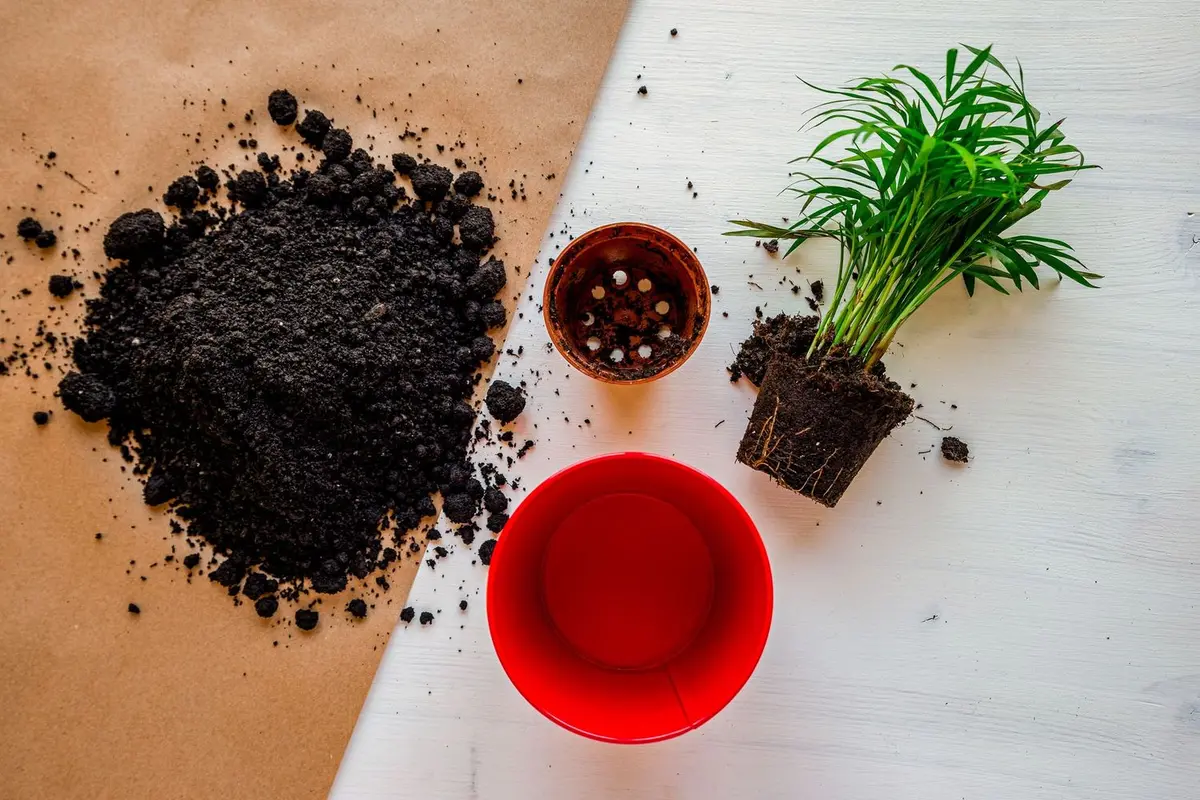
The material changes how fast the soil dries:
| Pot material | How it behaves | Best for |
|---|---|---|
| Terracotta and clay | Porous, wicks moisture from the soil, shows salt buildup sooner | You tend to overwater |
| Plastic | Lightweight, loses less water than clay | You tend to underwater |
| Glazed ceramic | Heavy, loses less water than clay | A tall plant that is prone to tipping over |
| Metal | May have no hole, so one needs to be drilled or punched | A sleeve, unless it has drainage holes |
If you reuse an old pot, wash it with a non-bleach household disinfectant and rinse it well. Scrub a clay pot with water and a wire brush to remove the white salt deposits.
What you need
Gather everything before you take the plant out, so the roots don’t sit in the air while you look for things.
- The new pot, clean and with a drainage hole
- Fresh, soil-free potting mix for houseplants, or a cactus or orchid mix for plants that need one; never garden soil, which drains poorly in a pot
- A coffee filter, a paper towel or a small piece of broken clay pot to cover the hole
- A clean, sharp knife or pruners for the roots
- An old sheet, a large trash bag or a potting tray to work on
- A watering can and a saucer
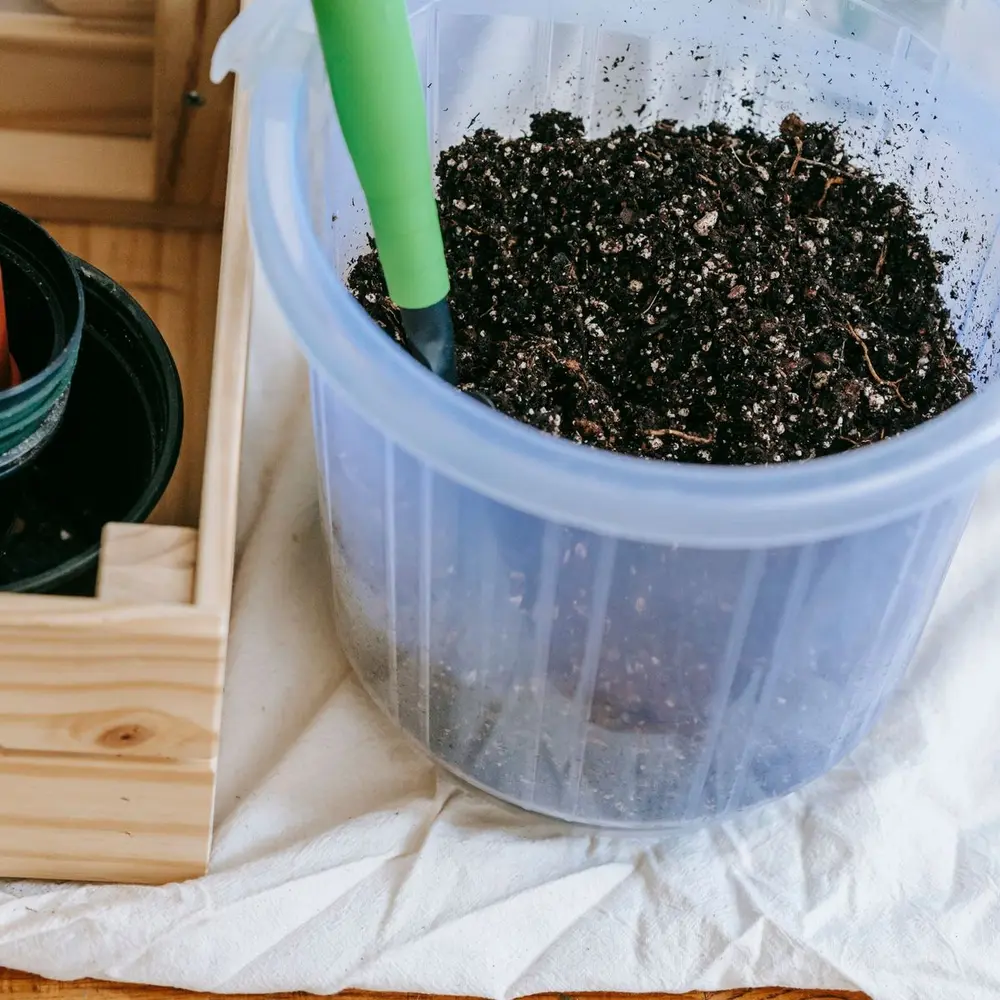
Skip the layer of gravel or broken pot pieces in the bottom. It doesn’t improve drainage; water collects in the mix above it, so the gravel only slows the water down.
How to repot a houseplant in 7 steps
- Water the plant first. Water it about 1 hour before you start, enough to moisten the whole root ball, so the plant goes into its new pot well hydrated.
- Prepare the new pot. Cover the drainage hole with a coffee filter, a paper towel or a small piece of broken pot so the mix stays in. Add enough potting mix to the bottom that the top of the root ball will sit 1 inch below the rim.
- Take the plant out. Hold the base of the stems between your fingers, turn the pot upside down and gently tap its rim on the edge of a table. If it won’t slide out, run a straight knife around the inside of the pot; a plant grown tight into a thin plastic pot may need the pot cut away.
- Loosen and trim the roots. Tease apart roots that circle the root ball so they can grow outward into the new mix. Cut off dead, damaged or diseased roots and any that grew out of the drainage hole.
- Set the plant at the same depth. Center the root ball in the new pot so its top sits at the same level as it did in the old pot. Don’t bury the stems any deeper or pile mix above the old soil line.
- Fill around the roots. Add mix around the sides and press it gently with your fingers, then tap the pot to settle it. Don’t pack it down hard, and leave a 1-inch gap below the rim for watering.
- Water it well. Water slowly until water runs out of the drainage hole, and let it drain in the sink. Top up the mix if it settles, then pour off any water still in the saucer after 1 hour.
After that first soaking, don’t water again until the plant needs it. Fresh mix holds water well, so check the soil before you water, as you would for any plant.
How to loosen tight roots
Start with your fingers. Work from the bottom and the sides, pulling the circling roots gently away from the ball so they point outward.
If the roots are so tight they keep the shape of the old pot, cut into them. With a sharp, clean knife, make cuts about 0.5 inch deep down the sides and across the bottom, then tease the roots apart. A dull blade damages the roots and slows their regrowth.
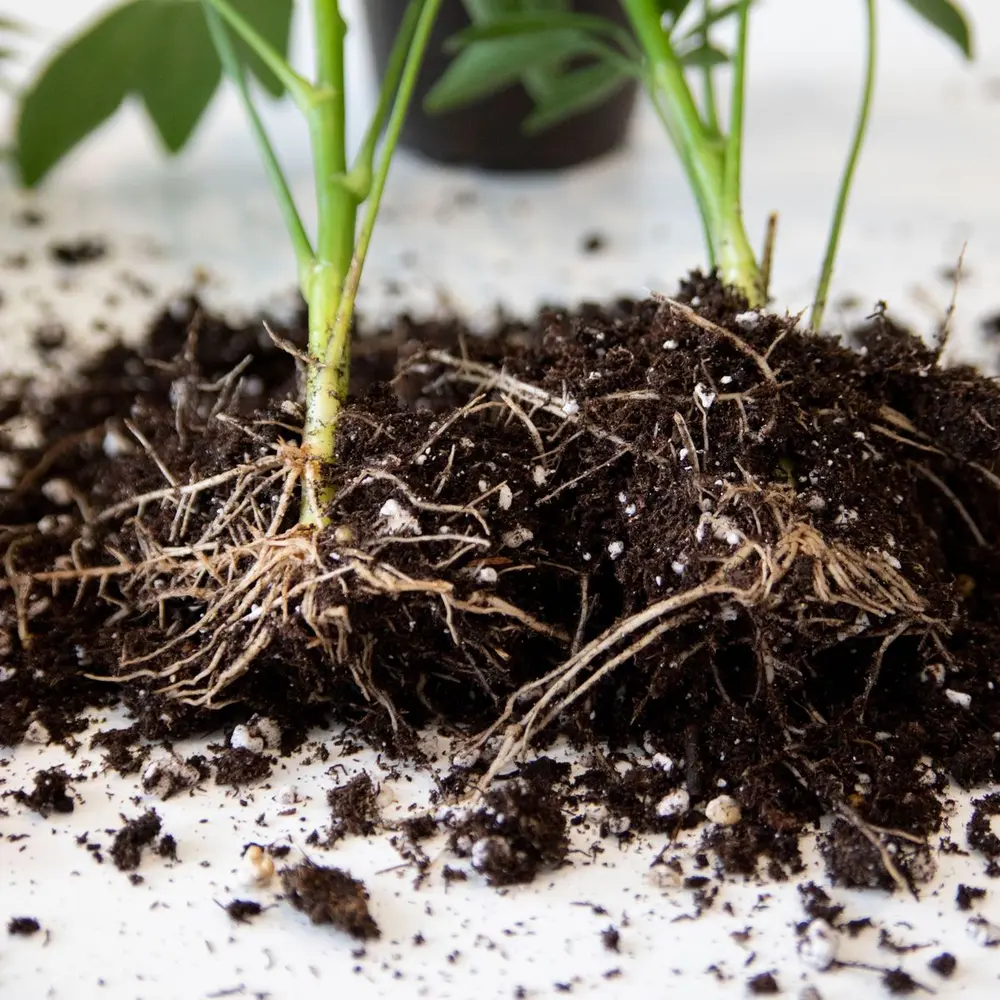
Check the roots while you are at it. Roots that are brown, soft and smell bad are rotting, which means the soil has stayed too wet. Cut those away before the plant goes into its new pot.
Aftercare for the first few weeks
A repotted plant needs a short rest. These habits help it settle in:
- Keep it out of direct sun. Give it bright, indirect light for a few days, then move it back to its usual spot.
- Water only when needed. Check the soil before each watering and let the top dry first.
- Hold off on feeding. Don’t fertilize a newly repotted plant. Wait at least 2 weeks so the roots can regrow.
- Expect a little droop. Some wilting, a yellow leaf or a dropped leaf is normal after repotting. Given time, water and the right light, most plants perk back up as their new roots grow.
The watering schedule maker helps you settle into a rhythm once the plant is growing again.
Common repotting mistakes
- A pot that is far too big. The extra soil stays wet and rots the roots. Move up one small step at a time.
- Planting too deep. Keep the old soil line, and don’t pile new mix over the top of the root ball.
- Packing the soil hard. Never pack wet mix down so it becomes compacted. Press it gently with your fingers instead.
- Repotting in the wrong season. Leave a dormant plant or one about to bloom alone. Wait for spring unless the roots are rotting.
- A gravel layer in the bottom. Water collects in the mix just above it, so it keeps the roots wetter, not drier.
- Feeding right away. Give the roots at least 2 weeks to regrow before you fertilize.
Special cases
A plant too big to repot
When a floor plant is too large to lift out of its pot, topdress it instead. Remove the top 2 to 3 inches of potting mix and replace it with fresh mix every other year or so. The tall indoor plants guide covers moving and supporting big plants.
A plant with rotting roots
Root rot is the one reason to repot outside spring. Take the plant out, cut away every brown, soft root, and repot it in fresh mix. If few roots are left, use a smaller pot that fits what remains, and water carefully until it regrows: neither soggy nor bone dry.
Plants that like a snug pot
Some plants grow and flower best when their roots are a little crowded; an amaryllis thrives pot-bound. A snake plant can go about 5 years between pots, and a peace lily or spider plant does best slightly pot-bound. Keeping any plant a bit snug also keeps it smaller and easier to manage.
For these plants, wait for the clear signs: roots pushing up the plant, cracking the pot or growing out of the hole. The snake plant care guide and the spider plant care guide give each plant’s own timing.
Repotting at a glance
| Step | What to do | Why it matters |
|---|---|---|
| Check the signs | Roots out of the hole, circling roots, fast-drying soil | Repot only a plant that needs it |
| Pick the season | Late winter to spring, as growth starts | Repotting spurs new growth |
| Choose the pot | 1 to 2 inches wider, with a drainage hole | Too much soil stays wet and rots roots |
| Water first | About 1 hour before | Moist roots slide out and handle better |
| Loosen the roots | Tease circling roots apart, trim dead ones | Roots grow outward into the new mix |
| Keep the depth | Same soil line as in the old pot | The plant sits as it grew before |
| Fill and firm gently | Leave 1 inch below the rim | Room for watering and for growth |
| Water and drain | Until it runs out of the hole, then empty the saucer | Settles the mix around the roots |
| Aftercare | Indirect light, no feeding for 2 weeks | Gives the new roots time to grow |
Ready to pick the new pot? The pot size calculator gives you the next size from the one your plant is in now.
Frequently asked questions
How do I know if my plant needs a bigger pot?
Look for roots growing out of the drainage hole, roots circling the inside of the pot in a solid mass, soil that dries out soon after watering, or a plant that tips over. Slide the plant out of its pot to check the roots if you aren't sure.
What is the best time of year to repot a houseplant?
Late winter to spring, as the days get longer and new growth starts. Avoid repotting a dormant plant or one that is about to flower. A plant with rotting roots is the exception and needs fresh mix right away.
How much bigger should the new pot be?
Only a little, one small step up in width, with a slightly bigger step for a plant already in a large pot. A much bigger pot holds more wet soil than the roots can use, and that soggy soil can rot them.
Should I water a plant right after repotting?
Yes. Water it thoroughly until water runs out of the drainage hole, let it drain, and add a little mix if the soil settles. Then wait until the top of the soil is dry before you water again.
Why is my plant drooping after repotting?
Some wilting, a yellow leaf or two, or a dropped leaf is normal while the roots settle in. Keep the plant out of direct sun for a few days, don't feed it yet, and water only when the soil needs it.
Do I need to put rocks in the bottom of the pot?
No. A layer of gravel or broken pot pieces slows drainage instead of helping it. Cover the drainage hole with a coffee filter, a paper towel or one small piece of broken pot so the mix stays in.
Save it for later
Pin it to a board so it's there when you need it.
Save to Pinterest(opens in a new tab)Keep reading

Plant list
10 tall indoor plants that add height to a room
Corn plant, rubber plant, money tree and seven more tall houseplants, with how tall each grows indoors, the light it needs and how to keep it upright.
Care guide
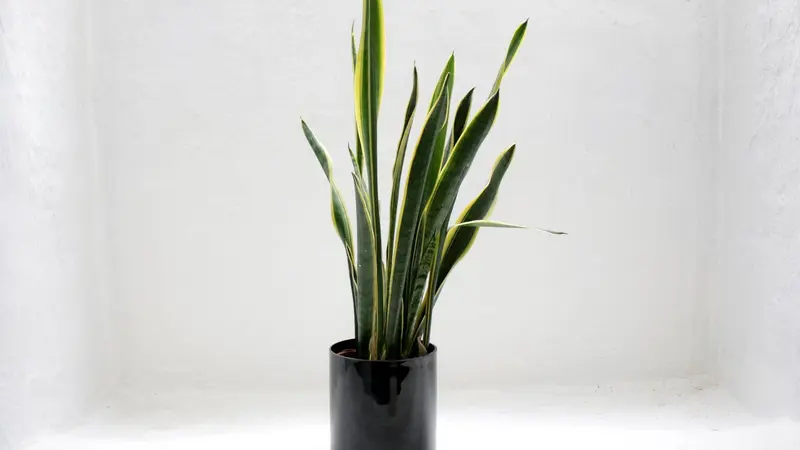
Snake plant care guide for light, water and soil
How to care for a snake plant indoors: the light it likes, how often to water, the right soil and pot, repotting, propagation and the problems to watch for.
Care guide
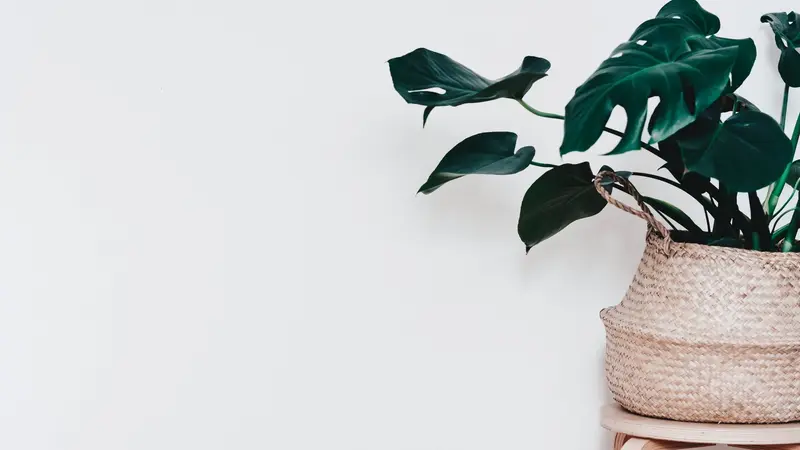
Monstera plant care guide for big, split leaves
How to care for a monstera indoors: the light that brings leaf holes and splits, watering, soil, humidity, a moss pole, repotting, cuttings and common problems.
Care guide
Spider plant care guide for healthy leaves and babies
How to care for a spider plant indoors: light, watering, soil, feeding, repotting, rooting its babies and fixing the brown leaf tips it is known for.
Try a free tool
Pot Size Calculator
Type the current pot's width and tick the signs you see to get the next pot size for repotting.