Monstera plant care guide for big, split leaves

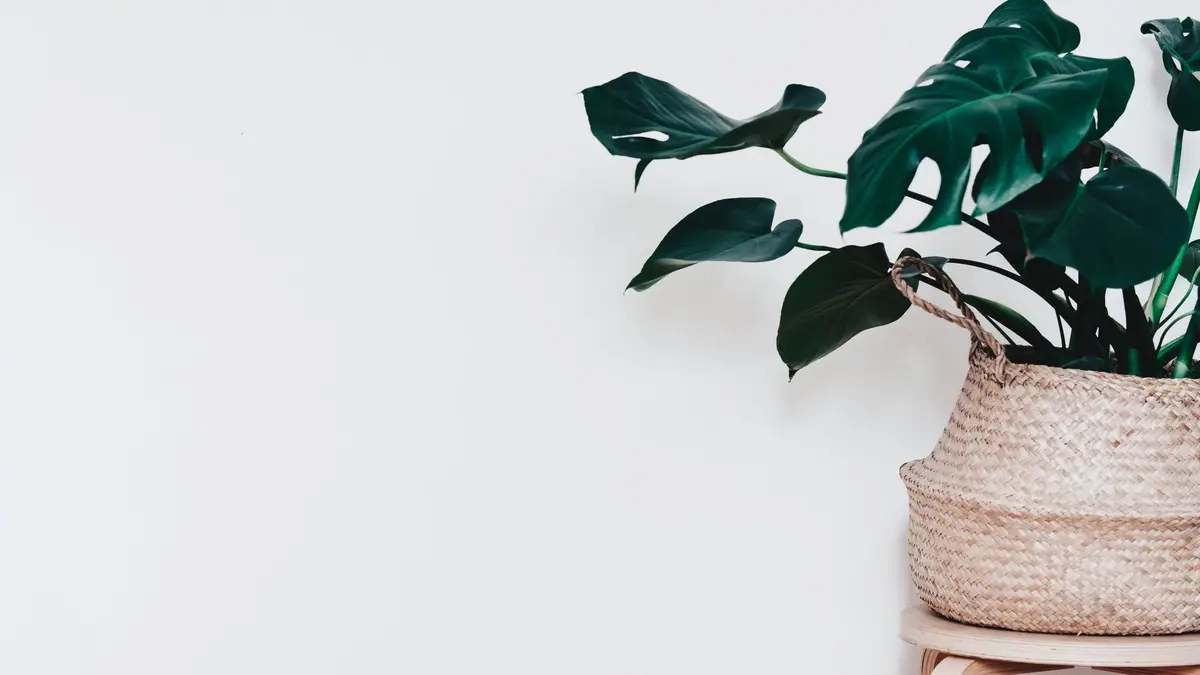
To care for a monstera, give it bright, indirect light, water thoroughly when the top 1 to 2 inches of soil are dry, keep it warm and humid, and give it a sturdy pole to climb. With enough light and time, its leaves grow large and form the holes and splits it is known for.
A monstera grows fast and makes a big floor plant, usually 6 to 8 feet tall indoors. Plan for that size before you choose its spot.
Monstera care at a glance
| Need | What a monstera wants |
|---|---|
| Light | Bright, indirect light; out of direct sun |
| Water | When the top 1 to 2 inches of soil are dry |
| Soil | A well-draining mix rich in organic matter, in a pot with a drainage hole |
| Temperature | 60 to 85°F; no cold drafts |
| Humidity | Above 50 percent if you can |
| Support | A moss pole, trellis or sturdy stake |
| Pets | Toxic to cats and dogs (ASPCA) |
Light
Bright, indirect light suits a monstera best: near a sunny window, but out of the direct sun. It is an understory plant in the wild, and it also grows in medium light indoors.
Light decides the look of the leaves. In too little light the plant grows leggy and its new leaves stay whole, without the holes and splits that make a monstera.
Variegated monsteras, with white or cream patches, need more light than all-green ones. Too much direct sun burns the leaves, so a plant moving outdoors for summer needs to get used to stronger light a little at a time.
Watering
Water a monstera thoroughly, then let the top 1 to 2 inches of soil dry before watering again. A mature plant in a bright room often needs water about once a week; one in a dimmer spot needs it less often.
Water less in winter, when growth slows. If the plant grows on a moss pole, moisten the pole too, so the aerial roots can take up water.
Overwatering leads to root rot. Leaves that bead with water drops, a sign called sweating, mean the soil is too wet, so cut back.
The watering schedule maker sets days to check the soil for a monstera and the rest of your plants.
Soil and pot
Plant a monstera in a well-draining potting mix rich in organic matter. Adding bark or perlite to a bagged mix opens it up and helps it drain.
Use a heavy pot with at least one drainage hole. A monstera is top-heavy, and a heavy pot keeps it from tipping, while a pot that is far too big makes the soil moisture hard to judge.
Temperature and humidity
A monstera likes warmth, about 60 to 85°F, and dislikes cold drafts. It stops growing below 50°F, and frost kills it.
It prefers humidity above 50 percent. In a dry room, a humidifier or a tray of wet pebbles helps, and brown leaf edges are the sign the air is too dry.
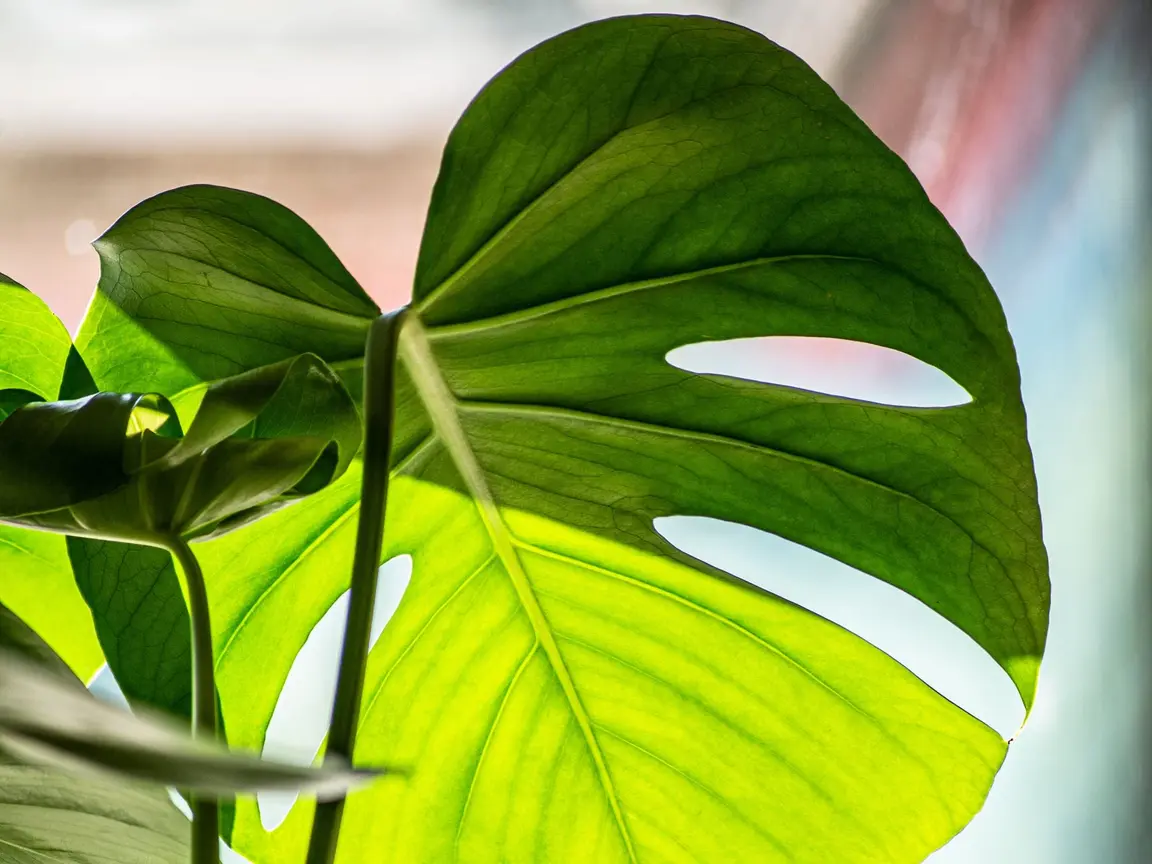
Why monstera leaves split
The holes and splits in a monstera leaf come with maturity. Young leaves are small and whole; as the plant grows, new leaves get larger and start to form holes along the midrib and splits toward the edge.
Mature leaves can reach a foot or more across, up to 18 inches wide. Light is what moves a plant along: in too little light, even an older plant keeps making small, whole leaves.
If your monstera has stopped splitting its leaves, move it to brighter, indirect light. A fertile mix and room for the roots also help it grow larger leaves.
Support and pruning
A monstera is a climbing vine, and it grows best with something to climb. A moss pole, a trellis, a bamboo stake or a board wrapped in sphagnum moss all work.
Sink the support into the pot and tie the stems to it gently. The thick aerial roots that grow from the stem grip the support over time, and the support keeps heavy stems from snapping.
Prune in spring if the plant outgrows its space. Wipe the dust off the large leaves now and then, so they can use the light.
Feeding
Feed a monstera regularly from spring until fall, while it grows. Follow the label of the houseplant fertilizer you use, and ease off in winter.
A root-bound plant can look hungry even when it is fed. If the roots fill the pot, a bigger pot helps more than more fertilizer.
Repotting
Repot a monstera every 1 to 2 years, in late winter or early spring. It is time when roots grow out of the drainage hole, the soil dries out within a day, the plant tips over, or growth stalls.
Move up to a pot about 2 inches wider than the current one. The pot size calculator gives the size range for the pot it is in now.
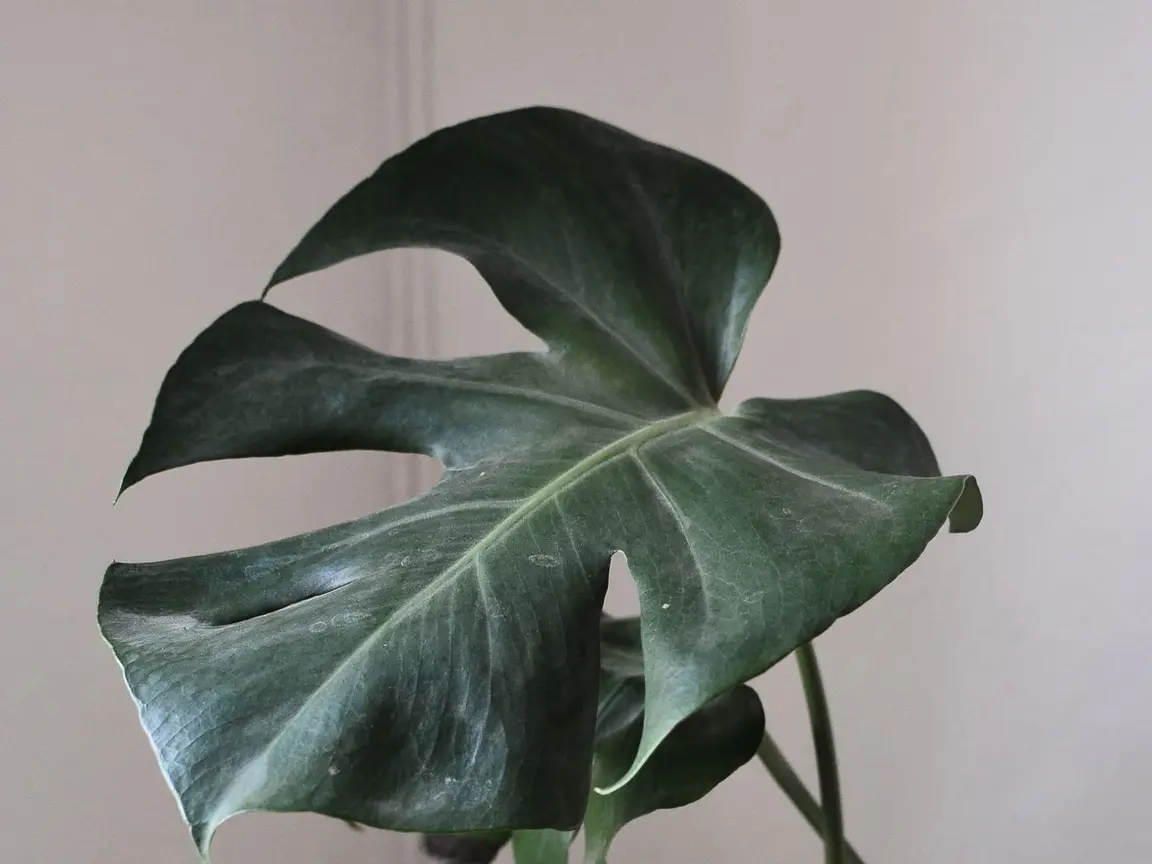
How to propagate a monstera
Monsteras root from stem cuttings at any time of year. Every cutting needs a node, the bump on the stem where a leaf and an aerial root grow; a leaf or a leaf stalk alone rots instead of rooting.
- Find a node and cut the stem 1 to 2 inches below it. Leave a leaf or two on the cutting.
- Set the cutting in perlite, potting mix, clay pebbles or a jar of water.
- In soil or perlite, keep the medium moist for the first 1 to 2 weeks, then let the top dry between waterings. In water, change the water when it turns cloudy.
- Healthy new roots are creamy white and firm. Brown, soft roots mean too much water or poor drainage.
- Be patient: a rooted cutting can take 2 to 3 months to grow a new leaf.
Roots grown in water are weaker than roots grown in a solid medium, so move a water-rooted cutting to soil once its roots are growing well.
To shorten a tall, leggy plant, try air layering. Wound the stem 12 to 18 inches below the tip, wrap the spot in moist sphagnum moss and plastic, and cut below the moss once roots fill it.
Common monstera problems
Yellow lower leaves
Too little light or too much water are the usual causes. A plant that has just moved may also yellow or drop a leaf while it adjusts.
Brown leaf edges
Brown edges point to dry air. They can also come from uneven watering, cold drafts or too much fertilizer.
Drooping
A drooping monstera may be too dry, too wet or root-bound. Feel the soil and look at the roots before you water.
Pests
Diseases are rare on a monstera, but watch for scale, mealybugs, spider mites, thrips, aphids and fungus gnats. Letting the soil dry well between waterings keeps fungus gnats down.
Monstera varieties
The common monstera is all green. Variegated forms, such as ‘Albo Variegata’ and ‘Thai Constellation’, have patches of lighter color, tend to stay smaller, and need more light than the green plant.
The plant sold as mini monstera is a different plant, Rhaphidophora tetrasperma, with its own care.
Monsteras and pets
The ASPCA lists Monstera deliciosa as toxic to cats and dogs. Its calcium oxalate crystals cause intense burning and irritation of the mouth, drooling, vomiting and trouble swallowing, and the sap can irritate skin.
Keep it where pets can’t chew the leaves, and call your vet or the ASPCA Animal Poison Control Center if they do. The plant finder lists plants the ASPCA rates as non-toxic for homes with pets.
Monstera care checklist
- Bright, indirect light; more light for bigger, split leaves.
- Water when the top 1 to 2 inches of soil are dry; less in winter.
- A well-draining mix in a heavy pot with a drainage hole.
- Warm and humid, away from cold drafts.
- A moss pole or stake to climb.
- Feed from spring until fall.
- Repot every 1 to 2 years in late winter or early spring.
- Keep it away from pets.
Pair it with a care card next to the pot, so anyone watering it knows its rule.
Frequently asked questions
Why doesn't my monstera have holes in its leaves?
Young leaves are small and whole, and only mature leaves form holes and splits. Too little light also keeps the leaves whole, so give the plant bright, indirect light and time to grow.
How often should I water a monstera?
Water thoroughly, then wait until the top of the soil has dried before watering again. For a mature plant that is often about once a week, less in winter.
Does a monstera need a moss pole?
It grows better with one. A monstera is a climbing vine, and a sturdy support keeps the heavy stems from snapping and lets the aerial roots grip.
Is a monstera safe for cats and dogs?
No. The ASPCA lists it as toxic to cats and dogs. Keep it out of reach, and call your vet if a pet chews it.
Save it for later
Pin it to a board so it's there when you need it.
Save to Pinterest(opens in a new tab)Keep reading
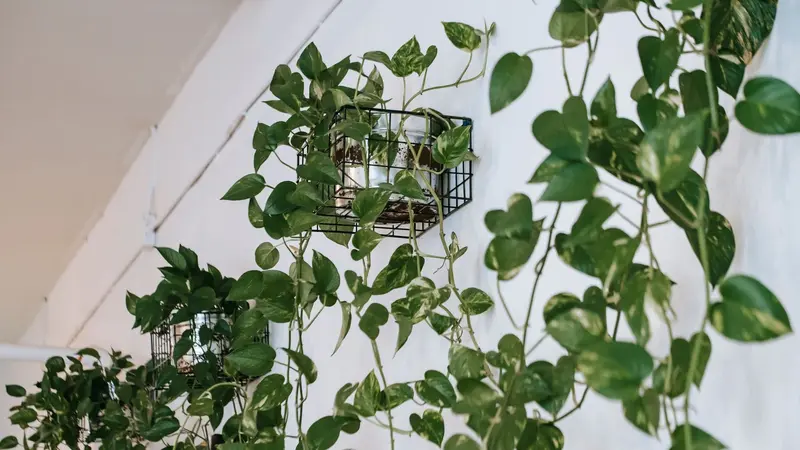
Care guide
Pothos plant care guide for long, full vines
How to care for a pothos plant indoors: light for bright leaves, watering, soil, feeding, pruning for fuller vines, rooting cuttings and fixing yellow leaves.
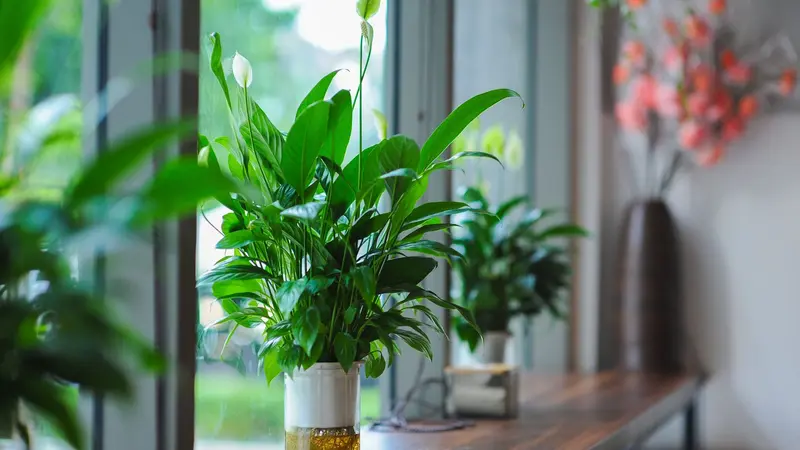
Care guide
Peace lily care guide for leaves, blooms and water
How to care for a peace lily indoors: the light that brings flowers, how to water without root rot, soil, feeding, repotting, dividing and fixing brown tips.
Try a free tool
Pot Size Calculator
Type the current pot's width and tick the signs you see to get the next pot size for repotting.